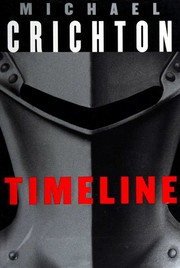
Books Like Timeline
by Michael Crichton
Timeline pairs Crichton's signature techno-thriller mechanics with medieval history: a corporate-funded quantum experiment, a fix-it-or-die rescue team of archaeologists and a sudden, brutal drop into 14th-century France where swords, sieges and fatal misunderstandings replace lab protocols. The novel runs on two tensions at once — the intellectual puzzle of translating archaeological evidence into real-world survival, and the ticking technical problem of getting the team back before the technology fails. Scenes flip from modern labs and corporate boardrooms to muddy castles and plague-haunted villages, and Crichton keeps the tempo cinematic: schematic explanations of the time-travel mechanism are balanced against close-quarters combat and escalating stakes.
If you loved Timeline, you probably loved one of a few things: the rigorous archival/academic scaffolding that makes the past feel tangible; the breathless rescue-and-escape plotting; or the mixture of high technology and low-tech medieval danger. The nine books below are selected to match those precise pleasures — some echo the scholarly time-travel premise, some the medieval-mystery atmosphere, others the techno-thriller momentum — with a clear note about what each one shares with Crichton and where it departs.
Recommended for fans of Timeline

The Doomsday Book
Connie Willis
Scholarly time travel to a brutal medieval past with emotional stakes and historical detail.
Pick this if you want another time-travel novel that treats medieval life with painstaking research and places emotional stakes on the characters' survival and ethical choices.

11/22/63
Stephen King
Gripping time-travel mission into the past with suspense, period detail, and moral consequences.
Pick this if you liked Timeline's suspenseful single-mission structure and the way personal consequences accumulate from attempts to change the past.

The Name of the Rose
Umberto Eco
Intellectual medieval mystery with atmospheric settings and layered historical intrigue.
Pick this if you appreciated the monastic, document-driven side of Timeline and want a dense, puzzle-centric medieval whodunit that doubles as philosophy and history.
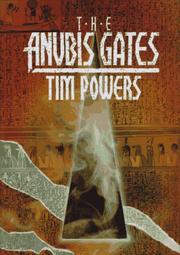
The Anubis Gates
Tim Powers
Inventive, action-packed time-travel novel set amid richly depicted historical London.
Pick this if you want time travel that feels wild and imaginative rather than strictly scientific — rich period detail and action-packed set pieces, but with more fantasy elements.
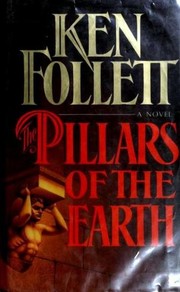
Pillars of the Earth
Ken Follett
Sweeping medieval narrative with vivid period detail, architectural obsession, and dramatic stakes.
Pick this if it was Timeline's vivid reconstruction of medieval life that appealed to you; this offers sprawling historical immersion and human drama at construction-scale, not a tech plot.
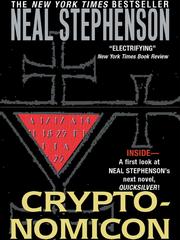
Cryptonomicon
Neal Stephenson
Interwoven historical and modern tech-driven plots, cerebral puzzles and blockbuster pacing.
Pick this if you enjoyed parallel modern-and-historical plotlines and cerebral problem-solving alongside blockbuster pacing — note this is more expansive and dense than Timeline.

The Rule of Four
Ian Caldwell
Academic thriller centered on a historical puzzle and collegiate archaeology-esque sleuthing.
Pick this if it was the collegiate archaeology-and-archives angle you liked. This one keeps the academic setting and slow, clue-driven revelations, with less physical time travel.
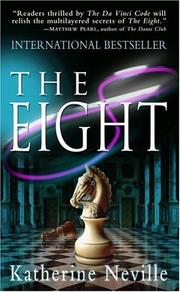
The Eight
Katherine Neville
Dual-timeline treasure hunt blending medieval chess mystery with modern adventure.
Pick this if you wanted a treasure-and-mystery through history that alternates past and present; this shares the dual-timeline structure but leans more into romantic adventure.

The Lost World
Michael Crichton
High-octane science-adventure with field archaeology, technological hubris, and relentless action.
Pick this if you wanted more of Crichton's own formula — fieldwork turned dangerous, scientific hubris and relentless action. This is the closest Crichton title on the list for pure, kinetic suspense.
At a glance
Matches were chosen on three specific axes: the presence of detailed historical reconstruction, an academic or archaeological framing, and the balance of high-tech explanation with action-driven plotting. Each recommendation lists which of those elements it most closely mirrors.
| Book | First published | Pages | Closest match on | Match |
|---|---|---|---|---|
The Doomsday Book Connie Willis | 2020 | 294 | Scholarly time travel | 92% |
11/22/63 Stephen King | 1925 | 849 | High-stakes mission focus | 88% |
The Name of the Rose Umberto Eco | 1983 | 518 | Intellectual medieval mystery | 86% |
The Anubis Gates Tim Powers | 1983 | 400 | Inventive time-travel adventure | 84% |
Pillars of the Earth Ken Follett | 1989 | 1040 | Sweeping medieval scope | 82% |
Cryptonomicon Neal Stephenson | 1999 | 918 | Interwoven tech & history | 80% |
The Rule of Four Ian Caldwell | 2004 | 445 | Academic puzzle thriller | 78% |
The Eight Katherine Neville | 1989 | 608 | Dual-timeline treasure hunt | 76% |
The Lost World Michael Crichton | 1995 | 419 | Crichton-style action | 75% |
About Timeline
Timeline was published in 1999 and became a bestseller, notable for combining contemporary corporate science-fiction concepts with a vividly researched medieval setting. Crichton drew on archaeological method and populist techno-thriller pacing to stage his rescue mission across centuries.
Frequently asked questions
If I liked Timeline's mix of science and medieval history, what should I read next?+
Start with The Doomsday Book for another rigorously researched, emotionally focused time-travel to the Middle Ages. If you want a modern protagonist trying to reshape history under suspenseful stakes, 11/22/63 is a close fit.
Are there other Michael Crichton novels with the same pace and scientific hubris?+
Yes. The Lost World is the most similar on this list in tone and pace — a field expedition, technological overreach and continuous action. Several of Crichton's other novels also foreground corporate or scientific experiments that go wrong.
Which of these is best if I cared most about the archaeological detail?+
The Name of the Rose and Pillars of the Earth both foreground historical craftsmanship and atmosphere in medieval settings, while The Rule of Four brings an academic puzzle structure that mirrors Timeline's scholarly scaffolding.
Do any of these handle time travel in a similarly technical way?+
The Doomsday Book treats time travel with scholarly seriousness and historical consequence; The Anubis Gates takes a more fantastical, adventurous approach. If you prioritize technical plausibility within the story, Doomsday Book is the closest match.
More books by Michael Crichton
See all 14 Michael Crichton guides →Want recommendations based on your own favorites?
BookTwin can match you to books by mood, pacing, themes, and emotional payoff — based on 1 to 5 books you tell it you loved.
Try BookTwin