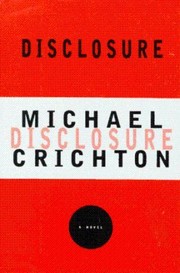
Books Like Disclosure
by Michael Crichton
Disclosure is a corporate-tech courtroom drama driven by a collision of power, gender politics and plausible workplace tech. Michael Crichton stages it as a legal thriller: an allegation of sexual harassment becomes a forensic battle over file timestamps, server logs and who actually controlled proprietary software. The book's engine is forensic detail — corporate emails, forensic reconstruction, depositions — and the tension comes from watching systems and policies be weaponized as much as watching people.
If you liked Disclosure, figure out which thread hooked you. Were you drawn to the procedural unspooling of digital evidence and the technical explanations of how systems fail? To the corporate-thriller frame where a single career is endangered by opaque institution-level power? Or to the moral and gender dynamics tangled with organizational cover-ups? The selections below are grouped by those impulses: hard techno-procedural thrillers that echo Crichton's forensic focus, corporate-conspiracy legal dramas, and novels that interrogate tech-driven power. Each pick note explains precisely what it shares with Disclosure and where the fit loosens.
Recommended for fans of Disclosure
The Firm
John Grisham
Tense corporate conspiracy and career-risk stakes with legal machinations.
Pick this if you want an intense portrait of how a single lawyer’s career can be crushed by secretive corporate forces and legal machinations.
Daemon
Daniel Suarez
Ruthless, plausible tech takeover that escalates from code to real-world chaos.
Pick this if you want the part of Disclosure that treats software as an active agent: this escalates from code to real-world consequences with a sharply plausible technopolitical logic.
The Runaway Jury
John Grisham
Corporate power manipulating the legal system, high-stakes courtroom suspense.
Pick this if you care most about courtroom maneuvering and corporate influence over legal outcomes; it's less about tech forensics and more about legal pressure and persuasion.

Kill Decision
Daniel Suarez
Autonomous weapons and corporate-military ethics with breakneck pacing.
Pick this if you enjoyed the ethical questions around technology’s real-world effects and prefer breakneck pacing focused on weapons and autonomy rather than corporate HR conflict.
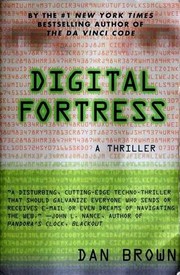
Digital Fortress
Dan Brown
Cryptography and surveillance-driven techno-thriller about secrecy and ethical tradeoffs.
Pick this if you were hooked by Disclosure’s focus on digital evidence and want a techno-thriller centered on encryption, surveillance and moral tradeoffs.

The Circle
Dave Eggers
Inside a powerful tech company, exploring privacy, control, and moral compromise.
Pick this if it was the everyday, bureaucratic power of a tech employer and the erosion of privacy that grabbed you; expect a sociological, often satirical, study of surveillance culture.
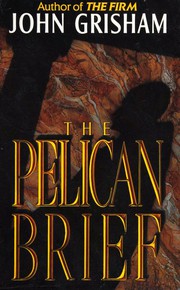
The Pelican Brief
John Grisham
Conspiracy, danger to a single protagonist, and escalating legal peril.
Pick this if it was the personal-jeopardy-against-a-broader-conspiracy dynamic that appealed to you; this one trades some of Disclosure’s technical forensic detail for a tighter, suspense-driven manhunt.
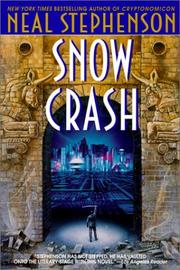
Snow Crash
Neal Stephenson
Fast, idea-rich techno-thriller with corporate powers and societal consequences.
Pick this if you liked the concept-driven, speculative edge of Disclosure’s tech explanations and want a fast, idea-dense take on corporate and societal consequences.

Jennifer Government
Max Barry
Satirical corporate-dominated world with sharp critique and darkly comic stakes.
Pick this if you appreciated the critique of corporate priorities and want a darker, satirical look at a world dominated by brands and market logic — note the tone here is more overtly satirical than Disclosure.
At a glance
Matches were chosen for how closely they mirror Disclosure’s three core elements: procedural/forensic treatment of technology, corporate/legal power dynamics, and a single-protagonist career-in-jeopardy structure. Percentage scores reflect how many of those dimensions a title shares.
| Book | First published | Pages | Closest match on | Match |
|---|---|---|---|---|
The Firm John Grisham | 1991 | 496 | Corporate-legal pressure | 90% |
Daemon Daniel Suarez | 2009 | 540 | Code-driven escalation | 88% |
The Runaway Jury John Grisham | 1996 | 496 | Institutional manipulation | 85% |
Kill Decision Daniel Suarez | 2012 | 451 | Autonomous tech ethics | 82% |
Digital Fortress Dan Brown | 1998 | 447 | Cryptography & secrecy | 80% |
The Circle Dave Eggers | 2013 | 491 | Corporate surveillance critique | 78% |
The Pelican Brief John Grisham | 1992 | 400 | Conspiracy & peril | 76% |
Snow Crash Neal Stephenson | 1992 | 460 | Idea-rich techno-thrill | 75% |
Jennifer Government Max Barry | 2003 | 352 | Satirical corporate world | 74% |
About Disclosure
Disclosure was published in 1994 and centers on a sexual-harassment claim at a high-tech company, using Crichton's trademark emphasis on technical detail to drive legal suspense. Crichton draws on contemporary corporate culture and emerging concerns about digital evidence to stage a procedural clash rather than an action-driven chase.
Frequently asked questions
Which book most closely matches Disclosure’s tech-forensics focus?+
Daemon by Daniel Suarez is the closest match for technical plausibility and the way software and code drive real-world consequences; it emphasizes systems and escalation in a way Disclosure’s procedural scenes will feel familiar.
I liked the corporate-power and legal tension in Disclosure. What should I read?+
For corporate-legal stakes, The Firm and The Runaway Jury by John Grisham mimic the pressure of institutions against an individual, while The Pelican Brief tightens into personal danger tied to larger conspiracies.
Are there other Michael Crichton books like Disclosure?+
Crichton’s other novels often combine technical explanation with thriller pacing; if you want more of his procedural, science-and-ethics approach, look to his standalone techno-thrillers that foreground expert knowledge and institutional critique.
Which picks focus on surveillance and privacy themes similar to Disclosure?+
Digital Fortress and The Circle tackle surveillance and secrecy, but in different tones: Digital Fortress is a cryptography-centered techno-thriller, while The Circle examines corporate control of personal data; both echo Disclosure’s privacy-and-power concerns.
More books by Michael Crichton
See all 14 Michael Crichton guides →Want recommendations based on your own favorites?
BookTwin can match you to books by mood, pacing, themes, and emotional payoff — based on 1 to 5 books you tell it you loved.
Try BookTwin