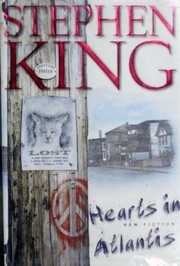
Books Like Why We're in Vietnam
by Stephen King
Stephen King’s “Why We’re in Vietnam” is a compact, emotionally concentrated piece that uses memory, guilt and small domestic details to render the shadow of war on ordinary lives. The story opens with an apparently simple setting — a family home, a man ruminating — and then lets recollection and moral weight do the work, revealing how Vietnam isn’t only a battlefield but a persistent interior landscape. King pares plot in favor of atmosphere, moral ambivalence and the slow accrual of regret.
If you loved this story, you might have been drawn to different aspects of it: the Vietnam subject matter and how it fractures family and memory; the short-form intensity that compresses decades into a single scene; or King’s combination of everyday specificity with an almost haunted moral center. The nine picks below are organized to reflect those different hooks — from direct Vietnam reckonings to coming-of-age pieces with melancholy undertows and novels that use collective memory as their engine.
Recommended for fans of Why We're in Vietnam

The Things They Carried
Tim O'Brien
Linked Vietnam stories mixing memory, guilt, and haunting truth.
Pick this if you want the clearest, most direct companion — linked Vietnam stories that examine memory, shame and the mechanics of carrying loss.

The Body
Stephen King
Nostalgic coming-of-age tale with melancholic atmosphere and eerie undertones.
Pick this if you appreciated King’s mix of boyhood nostalgia and uneasy undertow; this is the most direct tonal cousin from King’s own work.
In Country
Bobbie Ann Mason
Vietnam's legacy seen through family, memory, and generational grief.
Pick this if you’re looking for a quieter, domestic aftermath of Vietnam that foregrounds family memory and inherited trauma.

A Prayer for Owen Meany
John Irving
Bittersweet coming-of-age, fate, and persistent haunting of the past.
Pick this if you liked the story’s blend of fate, moral complexity and coming‑of‑age voice — expect a longer, novel‑scale meditation.
The Yellow Birds
Kevin Powers
Sparse, painful account of war trauma and fractured memory.
Pick this if you want a lean, unflinching account of combat’s psychic damage and fragmented memory in language that refuses consolation.
Billy Lynn's Long Halftime Walk
Ben Fountain
Sharp, disorienting look at modern combat, media, and soldiers' inner lives.
Pick this if you appreciated King’s moral scrutiny and want a sharper, satirical look at how modern culture frames soldiers’ inner lives.
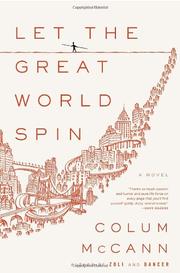
Let the Great World Spin
Colum McCann
Interwoven lives in 1970s NYC with elegiac, haunting emotional currents.
Pick this if you’re drawn to novels that assemble multiple perspectives into a single emotional current; this broadens the single‑voice intimacy of King into a chorus.
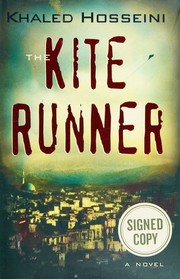
The Kite Runner
Khaled Hosseini
Powerful meditation on guilt, memory, and the need for redemption.
Pick this if it was the story’s focus on guilt and the need for atonement that gripped you — this follows those strains through a cross‑cultural, personal arc.
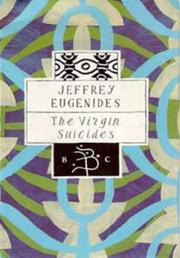
The Virgin Suicides
Jeffrey Eugenides
Suburban melancholy and collective memory rendered in a hypnotic voice.
Pick this if you liked the hypnotic, communal recollection and suburban atmosphere; this is a looser, more lyrical match for the story’s melancholic voice.
At a glance
Matches were chosen on three axes: thematic focus on Vietnam and its legacy; the story’s melancholic, memory-driven perspective; and the compressed, short-form intensity King uses to make moral complexity feel immediate.
| Book | First published | Pages | Closest match on | Match |
|---|---|---|---|---|
The Things They Carried Tim O'Brien | 1990 | 256 | Vietnam memory & guilt | 95% |
The Body Stephen King | 1988 | 294 | Nostalgic, eerie coming‑of‑age | 92% |
In Country Bobbie Ann Mason | 1985 | 300 | Family & generational grief | 88% |
A Prayer for Owen Meany John Irving | 1989 | 544 | Bittersweet moral questioning | 86% |
The Yellow Birds Kevin Powers | 2012 | 240 | Sparse trauma portrait | 85% |
Billy Lynn's Long Halftime Walk Ben Fountain | 2012 | 336 | Media, satire, and combat | 80% |
Let the Great World Spin Colum McCann | 2009 | 349 | Interwoven elegiac lives | 78% |
The Kite Runner Khaled Hosseini | 2003 | 371 | Guilt and redemption arc | 76% |
The Virgin Suicides Jeffrey Eugenides | 1993 | 249 | Suburban melancholy & memory | 74% |
About Why We're in Vietnam
“Why We’re in Vietnam” is a short story by Stephen King that treats the Vietnam War as a moral and psychic presence rather than a set of battle scenes. It has appeared in King's short-fiction collections and is frequently cited for its restrained tone and focus on memory and guilt.
Frequently asked questions
Is Why We’re in Vietnam a short story or a novel?+
It’s a short story: a concise, atmospheric piece rather than a sprawling novel. If you want more long-form treatments of similar themes, The Things They Carried and In Country explore Vietnam over many chapters.
Which of these picks is closest to King’s tone?+
Stephen King’s own “The Body” is the closest tonal match on this list: nostalgic coming-of-age that still carries an eerie, melancholic center.
Which books here focus most directly on Vietnam’s legacy?+
The Things They Carried and In Country confront Vietnam and its aftermath head-on, dealing with memory, trauma and family consequences.
If I liked King’s moral ambiguity, what should I read next?+
The Count of moral ambiguity here are echoed in A Prayer for Owen Meany and The Yellow Birds, which both complicate sympathy and responsibility while remaining emotionally exacting.
More books by Stephen King
See all 81 Stephen King guides →Want recommendations based on your own favorites?
BookTwin can match you to books by mood, pacing, themes, and emotional payoff — based on 1 to 5 books you tell it you loved.
Try BookTwin