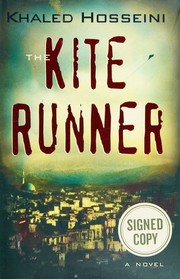
Books Like The Kite Runner
by Khaled Hosseini
The Kite Runner is driven by a private moral wound: a childhood betrayal in 1970s Kabul that reverberates across decades of exile, political upheaval and attempts at atonement. Khaled Hosseini combines a tightly focused first-person voice with concrete scenes — kite fights, a servant’s household, a dangerous winter rescue — so the novel’s emotional architecture feels immediate. Its momentum comes less from plot twists than from the accruing weight of memory and the ethical imperative that finally forces the narrator to act.
Readers seek out “books like The Kite Runner” for different reasons: the specific Afghan setting and postcolonial history; the intimate portrayal of friendship, guilt and redemption; or the novel’s spare but potent emotional language that makes personal trauma legible. The nine picks below are chosen to reflect those different entry points — some are close kin by authorial voice and setting, others match via structure (interwoven family sagas) or theme (war, exile, moral reckoning). Each note says what the book shares with Hosseini and where it departs, so you can pick by the element you most want to revisit.
Recommended for fans of The Kite Runner

A Thousand Splendid Suns
Khaled Hosseini
Shared Afghan setting, emotional bonds, and themes of suffering, resilience, and redemption.
Pick this if you want another deeply felt Kabul-centered story that examines suffering, resilience and the search for redemption from the inside — this is Hosseini’s nearest match.

And the Mountains Echoed
Khaled Hosseini
Interlocking family stories spanning generations with emotional, morally complex choices.
Pick this if you liked the emotional complexity but want a wider canvas: multiple perspectives and generations expand the moral questions beyond a single narrator.

A Fine Balance
Rohinton Mistry
Sweeping, tragic social realism about friendship, suffering, and human dignity.
Pick this if you appreciated the novel’s attention to how large political forces crush private lives; this is larger in scale and bleaker in social scope, with expansive tragedy and staunch human dignity.
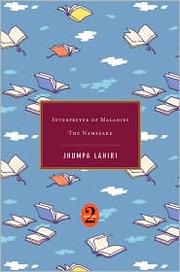
The Namesake
Jhumpa Lahiri
Immigrant identity and family expectations with quiet emotional depth.
Pick this if it was the immigrant experience and the clash between old and new identities that gripped you; this book traces those pressures in quiet, domestic detail.
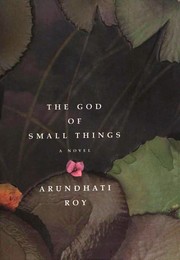
The God of Small Things
Arundhati Roy
Lyrical family tragedy centered on forbidden choices and long-lasting guilt.
Pick this if you were drawn to Hosseini’s emotional intensity and the long shadow of forbidden or lost choices; expect more lyrical, baroque language and a nonlinear emotional excavation.

Burnt Shadows
Kamila Shamsie
Multi-generational, geopolitical sweep connecting personal lives to historic upheaval.
Pick this if you want a broader historical reach that traces personal lives across borders and eras; thematically close but with a wider international canvas.

The Book Thief
Markus Zusak
Heartbreaking wartime narrative with intimate bonds and moral complexity.
Pick this if you want a compact, heart-wrenching account of civilians under siege and the moral choices that daily survival demands; it mirrors Hosseini’s focus on small, consequential acts in wartime.
The Shadow of the Wind
Carlos Ruiz Zafón
Atmospheric, emotionally driven mystery about secrets and the weight of the past.
Pick this if it was the idea of secrets, the past haunting the present, and an emotionally driven mystery that appealed — this is more gothic and bookish, so it’s a mood match rather than a cultural one.
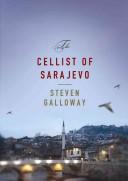
The Cellist of Sarajevo
Steven Galloway
Poignant, short novel about civilians, trauma, and moral choices during siege.
Pick this if you prefer a brief, intense portrayal of trauma and resilience during conflict; it captures moral complexity in a condensed, pointed form rather than a sprawling family epic.
At a glance
Matches here prioritize the qualities readers most cite about The Kite Runner: Afghan/immigrant setting and history, intimate moral conflict and guilt-driven redemption arcs, and intergenerational emotional storytelling. Percentages indicate how many of those dimensions each pick shares.
| Book | First published | Pages | Closest match on | Match |
|---|---|---|---|---|
A Thousand Splendid Suns Khaled Hosseini | 2007 | 406 | Shared Afghan setting | 95% |
And the Mountains Echoed Khaled Hosseini | 2013 | 430 | Interlocking family saga | 90% |
A Fine Balance Rohinton Mistry | 1995 | 719 | Sweeping social realism | 85% |
The Namesake Jhumpa Lahiri | 2004 | 514 | Immigrant identity crises | 82% |
The God of Small Things Arundhati Roy | 1997 | 357 | Lyrical familial tragedy | 80% |
Burnt Shadows Kamila Shamsie | 2009 | 384 | Geopolitical, multi-generational sweep | 78% |
The Book Thief Markus Zusak | 1998 | 560 | Wartime intimacy & moral choices | 76% |
The Shadow of the Wind Carlos Ruiz Zafón | 2009 | 203 | Atmospheric past’s weight | 72% |
The Cellist of Sarajevo Steven Galloway | 2008 | 246 | Short, poignant wartime portrait | 70% |
About The Kite Runner
The Kite Runner was Khaled Hosseini’s debut novel, published in 2003. It follows Amir, an Afghan immigrant in California, as he confronts his past in Kabul and explores themes of friendship, betrayal and redemption; it was adapted into a feature film in 2007.
Frequently asked questions
Which Hosseini book should I read next after The Kite Runner?+
A Thousand Splendid Suns is the closest repeat experience in setting and emotional intensity, focusing on Kabul and the ways women survive decades of upheaval. And the third, And the Mountains Echoed, offers a broader, multi-generational structure if you want Hosseini to widen the frame.
Are there other novels that explore Afghan history like The Kite Runner?+
Yes. A Thousand Splendid Suns stays in Afghanistan for much of its story and traces the country’s recent history through personal lives; Burnt Shadows covers a wider geopolitical sweep but links private choices to historical change across generations.
I loved the themes of guilt and redemption—what else handles that well?+
Hosseini’s own novels return to those themes repeatedly: A Thousand Splendid Suns and And the Mountains Echoed both probe moral responsibility and reconciliation in different narrative shapes. Outside his work on this page, those two are the most directly resonant.
Do any of these books have a similar narrative structure to The Kite Runner?+
And the Mountains Echoed uses an interlocking, multi-perspective structure rather than a single first-person narrator, widening the moral and emotional field. A Thousand Splendid Suns keeps a more linear, intimate focus like The Kite Runner but shifts perspective between two women.
Which picks are the most different from Hosseini but still worth reading for related themes?+
The Shadow of the Wind and The Cellist of Sarajevo are genre-different: one is an atmospheric literary mystery and the other a compact wartime meditation. They both wrestle with the past’s hold on the present and human responses to trauma, so they’re thematic cousins rather than close matches.
Want recommendations based on your own favorites?
BookTwin can match you to books by mood, pacing, themes, and emotional payoff — based on 1 to 5 books you tell it you loved.
Try BookTwin