
Books Like The Book Thief
by Markus Zusak
The Book Thief is shaped by a distinctive set of narrative choices: a child protagonist who grows up in Nazi Germany, an omniscient yet intimate narrator (Death) that comments on events with wry, philosophical asides, and a persistent focus on books as acts of resistance and consolation. Markus Zusak mixes lyrical, image-driven sentences with short, episodic chapters that alternate tenderness and sudden brutality; the result is a novel that treats language itself as both weapon and refuge amid wartime chaos.
People arrive at “books like The Book Thief” for different reasons. Some want another WWII story that centers civilians and moral ambiguities rather than battlefield action; others want a novel that uses inventive structure or an unusual narrator to study suffering and small kindnesses. Some readers are after the specific motif of literacy and storytelling as survival; others simply want the bittersweet tone that shifts between beauty and loss. The nine titles below are organized by which of those threads they most clearly share with Zusak's novel, with candid notes where a match is mostly tonal rather than structural.
Recommended for fans of The Book Thief

All the Light We Cannot See
Anthony Doerr
Beautifully lyrical WWII story about innocence, survival, and human connection.
Pick this if you want another finely written, image-rich novel that traces civilians’ moral choices in occupied Europe with interwoven, fate-driven plotlines.

Night
Elie Wiesel
Sparse, harrowing memoir capturing the loss of innocence under Nazi horror.
Pick this if you want a compact, austere firsthand memoir that records the erosion of innocence and dignity in the camps without lyrical cushioning.
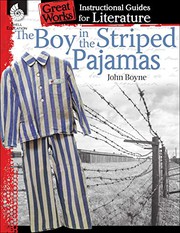
The Boy in the Striped Pajamas
John Boyne
Child's perspective reveals tragic consequences of war and innocence betrayed.
Pick this if you’re drawn to narratives that use a child’s limited viewpoint to reveal the horrors and misunderstandings of Nazi-era life — though this one is more allegorical and schematic.
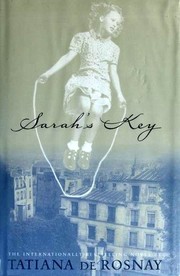
Sarah's Key
Tatiana de Rosnay
Interweaves past and present around a haunting Holocaust secret.
Pick this if you liked The Book Thief’s uncovering of private wartime secrets; this novel pairs a historical atrocity with contemporary consequences through a dual-timeline structure.

The Nightingale
Kristin Hannah
Emotional tale of sisters surviving occupied France and moral courage.
Pick this if you wanted intimate, emotionally direct stories of occupied France that foreground family bonds and moral courage under daily danger.

Suite Française
Irène Némirovsky
Poignant, unfinished portrait of life in occupied France with sharp human detail.
Pick this if you appreciate sharp, granular observation of civilian life under occupation; note that this is an unfinished manuscript, so it reads as a fragmentary but powerful snapshot.
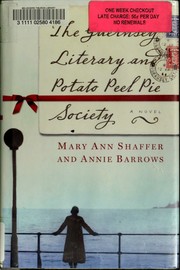
The Guernsey Literary and Potato Peel Pie Society
Mary Ann Shaffer and Annie Barrows
Warm, epistolary story about books, community, and post-occupation recovery.
Pick this if it was the communal, book-centered solace and epistolary warmth in Zusak’s book that appealed to you — this one shares that post-occupation, book-as-healing sensibility.
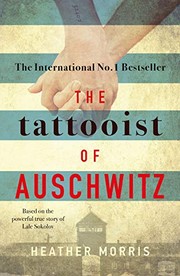
The Tattooist of Auschwitz
Heather Morris
A moving, personal love story set amid Holocaust brutality.
Pick this if you want an intimate love story set against Holocaust brutality and are comfortable with a narrative framed as a retelling based on survivor testimony rather than a wholly facsimile of fiction.
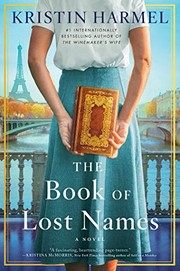
The Book of Lost Names
Kristin Harmel
Fictionalized wartime forgery story blending memory, resistance, and identity.
Pick this if you were most interested in stories about forged identities, archival rescue and the way memory is preserved through objects and documents — this novel foregrounds those elements alongside wartime resistance.
At a glance
Matches were chosen on three axes central to The Book Thief: perspective (child-centered or unconventional narrator), thematic focus on books/words and moral ambiguity in civilian wartime life, and tone (lyrical yet devastating). The percentages reflect how many of those axes each pick shares.
| Book | First published | Pages | Closest match on | Match |
|---|---|---|---|---|
All the Light We Cannot See Anthony Doerr | 2014 | 544 | Lyrical WWII prose | 95% |
Night Elie Wiesel | 1960 | 152 | Spare survivor testimony | 90% |
The Boy in the Striped Pajamas John Boyne | 2024 | 72 | Child’s tragic perspective | 88% |
Sarah's Key Tatiana de Rosnay | 2006 | 356 | Interwoven past & present | 86% |
The Nightingale Kristin Hannah | 2000 | 560 | Sister-focused resistance | 85% |
Suite Française Irène Némirovsky | 2004 | 468 | Unfinished, immediate portrait | 84% |
The Guernsey Literary and Potato Peel Pie Society Mary Ann Shaffer and Annie Barrows | 2008 | 288 | Books & community recovery | 82% |
The Tattooist of Auschwitz Heather Morris | 2018 | 304 | Personal, romantic testimony | 80% |
The Book of Lost Names Kristin Harmel | 2020 | 400 | Forgery & memory themes | 79% |
About The Book Thief
The Book Thief was first published in Australia in 2005 and became an international bestseller. Zusak’s novel is notable for its choice of Death as narrator and its repeated thematic emphasis on words, reading and the moral complexities faced by ordinary Germans under Nazi rule.
Frequently asked questions
Which book here is closest to The Book Thief’s lyrical style?+
All the Light We Cannot See is the closest stylistically: Anthony Doerr uses finely observed, image-rich prose and intercutting chapters that create the same luminous-but-grim effect found in Zusak’s novel.
Which recommendations focus on a child’s viewpoint of the Holocaust?+
Night and The Boy in the Striped Pajamas center very young perspectives on Nazi persecution. Night is a stark memoir of loss; The Boy in the Striped Pajamas is a fictionalized child’s-naïveté approach—both engage the moral and emotional registers Zusak explores.
Are any of these true stories?+
Yes. Night is Elie Wiesel’s memoir of his concentration-camp experience. The Tattooist of Auschwitz is presented as a narrative based on a real survivor’s account; both read more directly as personal testimony than fictional reconstructions.
Which picks share The Book Thief’s interest in books and reading as resistance?+
The Book of Lost Names and The Guernsey Literary and Potato Peel Pie Society both foreground books or forgery of texts as acts that preserve identity and community, echoing Zusak’s theme of literacy as survival.
Want recommendations based on your own favorites?
BookTwin can match you to books by mood, pacing, themes, and emotional payoff — based on 1 to 5 books you tell it you loved.
Try BookTwin