
Books Like Under the Dome
by Stephen King
Under the Dome is built on a single, claustrophobic conceit: an invisible, indestructible barrier suddenly seals a New England town off from the outside world. From that premise Stephen King runs an epic experiment in micro-society: resource shortages, power grabs, moral slide, small-town politics amplified into life-and-death stakes, and a sprawling cast whose intersecting perspectives turn the dome into a pressure cooker. The novel mixes speculative-mystery (what is the dome and why?), body-horror incidents and large-scale civic collapse, but its core fascination is sociological — how ordinary people reorganize when law, logistics and accountability are removed.
King strings chapters like dominoes: an inciting supernatural event leads to predictable scarcities, which expose old resentments, produce charismatic opportunists, and force unlikely alliances. The result is part apocalyptic parable, part thriller-of-manners, told with King's characteristic appetite for long-form characterization and grim moral choices.
Recommended for fans of Under the Dome
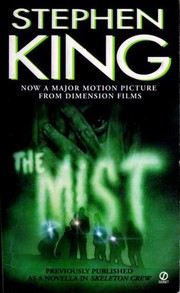
The Mist
Stephen King
Small-community terror and moral breakdown under an inescapable, supernatural threat.
Pick this if you wanted to see how ordinary people behave under sudden, supernatural confinement — The Mist is a tighter, more concentrated study of the same moral breakdown in a trapped community.

Cell
Stephen King
Sudden isolation and societal collapse after a mysterious signal-driven apocalypse.
Pick this if you liked the way Under the Dome explores mass panic and societal failure after an inexplicable event — Cell swaps a dome for a networked pulse, producing sudden isolation and a breakdown of order on a larger scale.
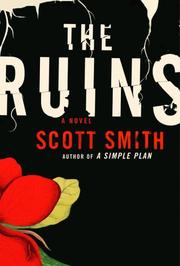
The Ruins
Scott Smith
A vacation group trapped and picked apart by an unforgiving, organic menace.
Pick this if it was the slow, escalating attrition of a stranded group that gripped you; this is not King, so expect a leaner, more surgical tale about a vacation group worn down by an unforgiving organic threat.
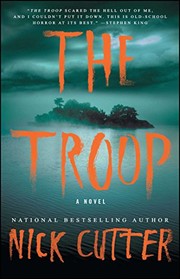
The Troop
Nick Cutter
Claustrophobic, visceral horror as contained characters face biological nightmare.
Pick this if you want intense, physical containment horror with visceral, body-focused set pieces — this shares the claustrophobia and the sense that a small cast faces an almost biological nightmare.
Fever Dream
Samanta Schweblin
Short, hallucinatory psychological dread and escalating menace in a small setting.
Pick this if you were drawn to the psychological dread and mounting unease of confined settings; this is shorter and more dreamlike than King’s sprawling approach, so consider it if you want concentrated, uncanny tension.
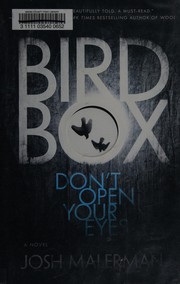
Bird Box
Josh Malerman
Survival under an unseen external threat, tension-driven and intimate character focus.
Pick this if you liked the intimacy of characters struggling to survive against an external, largely unseen danger — this is more focused on immediate survival and suspense than on the civic-political consequences of a sealed town.
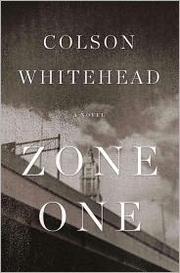
Zone One
Colson Whitehead
Post-collapse rebuilding with sharp social observation and slow-burning dread.
Pick this if you appreciated King’s interest in societal aftermath and reconstruction; this novel shares a slow-burn examination of rebuilding and social commentary in a post-breakdown landscape, though with a different stylistic voice.
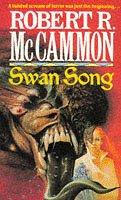
Swan Song
Robert McCammon
Epic, character-driven apocalypse exploring communities, hope, and human darkness.
Pick this if you wanted a sweeping, character-driven apocalypse that explores hope and darkness across communities — this aligns with Under the Dome’s scale and moral breadth, though it’s an explicitly apocalyptic rather than contained premise.
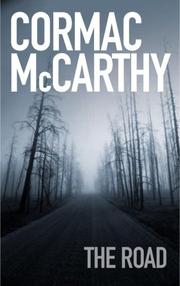
The Road
Cormac McCarthy
Bleak, intimate father-and-son survival story emphasizing atmosphere and moral stakes.
Pick this if you were most affected by the stripped-down, moral stakes of survival and atmosphere; this is the loosest fit here — it’s quieter and more meditative, but shares Under the Dome’s concern with moral choices under extreme conditions.
At a glance
These matches were chosen for how they echo Under the Dome’s main axes: enforced isolation or containment, community breakdown or reorganization, an uncanny or catastrophic external threat, and the book’s mix of moral drama with visceral horror. Some picks match on isolation and social collapse; others share tone or pacing rather than plot mechanics.
| Book | First published | Pages | Closest match on | Match |
|---|---|---|---|---|
The Mist Stephen King | 1925 | 272 | Small-community collapse | 90% |
Cell Stephen King | 2006 | 461 | Signal-driven apocalypse | 88% |
The Ruins Scott Smith | 2005 | 336 | Group trapped by nature | 85% |
The Troop Nick Cutter | 2014 | 363 | Claustrophobic biological horror | 82% |
Fever Dream Samanta Schweblin | 1991 | 410 | Hallucinatory menace in small space | 78% |
Bird Box Josh Malerman | 2001 | 36 | Unseen threat survival | 75% |
Zone One Colson Whitehead | 2011 | 280 | Post-collapse social observation | 72% |
Swan Song Robert McCammon | 1978 | 956 | Epic community-versus-apocalypse | 70% |
The Road Cormac McCarthy | 2006 | 256 | Bleak, intimate survival | 68% |
About Under the Dome
Under the Dome was published in 2009 and quickly became a bestseller. The novel was adapted into a television series that ran for three seasons, and it sits among King’s large-scale works that examine communities under existential threat.
Frequently asked questions
What is Under the Dome about?+
It follows the residents of Chester’s Mill after an invisible, impenetrable dome surrounds the town, cutting it off from outside help; as supplies dwindle and institutions fail, characters jockey for power and survival while the dome’s origin remains a mystery.
Is Under the Dome scary?+
Yes, but its fear is both psychological and civic: there are moments of physical horror and violence, but much of the terror comes from watching social order corrode and everyday people make catastrophic choices.
Is Under the Dome similar to The Mist?+
They overlap: both trap ordinary communities under a supernatural condition and show moral unraveling. The Mist is smaller and more condensed in scope, focusing tightly on immediate terror, whereas Under the Dome sprawls across many characters and long-term consequences.
Does Stephen King write other books about communities under threat?+
Yes. The Stand and It are two of King’s major novels that also examine how groups of people respond to apocalyptic or small‑town horrors; Cell and The Mist (both listed below) explore more contained, sudden-collapse scenarios.
Was the dome ever explained?+
King provides narrative answers that tie into his broader supernatural framework, but a significant part of the novel’s effect depends on the social consequences the dome produces rather than only the technical explanation.
More books by Stephen King
See all 81 Stephen King guides →Want recommendations based on your own favorites?
BookTwin can match you to books by mood, pacing, themes, and emotional payoff — based on 1 to 5 books you tell it you loved.
Try BookTwin