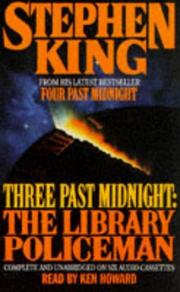
Books Like The Library Policeman
by Stephen King
The Library Policeman is compact, quietly relentless horror that hinges on one specific engine: childhood fear that will not stay buried. King stages the story as a confrontation between an adult who thought he’d escaped a childhood menace and a monstrous figure tied to libraries, rules and the punitive voice of authority; dread is generated not by gore but by humiliation, memory and the feeling of being watched. The prose is lean and conversational, moving from domestic detail to uncanny intrusion with a steady, claustrophobic tempo.
Readers come to The Library Policeman for different reasons: some want the ache of an adult haunted by a formative violation, some want a single, memorable monster that plays on bookish anxieties, and some want King’s skill at turning ordinary institutions — the library, the children’s story, the social worker — into vectors of menace. The nine picks below highlight those different hooks, so you can choose by whether you want more small‑town communal dread, an ensemble of guilt‑ridden elders, a crawl through folklore and grief, or a brutal, realistic look at childhood harm.
Recommended for fans of The Library Policeman
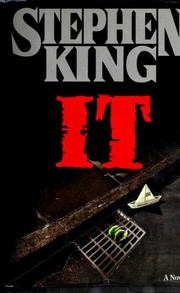
It
Stephen King
Childhood trauma and small-town supernatural horror with creeping dread and nostalgic voice.
Pick this if you responded to the way King ties a monstrous presence to childhood fear and small‑town memory — this is the closest tonal and thematic match.
Ghost Story
Peter Straub
Older men haunted by guilt and a past supernatural menace resurfacing.
Pick this if you liked the focus on older characters carrying secret guilt and a past supernatural menace coming back to stalk them; expect a more meditative, morally tangled treatment.
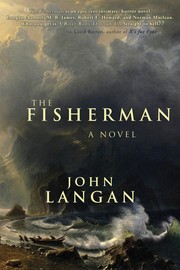
The Fisherman
John Langan
Slow-building, elegiac horror mixing grief, folklore, and horrific revelation.
Pick this if it was the novella’s slow, elegiac handling of loss and folklore that gripped you — this book shares that patient, mournful build toward a terrifying reveal.
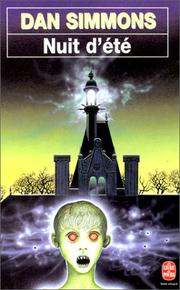
Summer of Night
Dan Simmons
Children confronting an ancient evil in a Midwestern town with nostalgic tone.
Pick this if you wanted the dynamic of children or childhood events at the story’s center and a nostalgic-small‑town backdrop; the fit is strong on mood and setting.

The Haunting of Hill House
Shirley Jackson
Psychological, claustrophobic haunt with ambiguous terror and mounting dread.
Pick this if you’re looking for adventure framed as a creeping discovery; this is a looser fit — it shares the era’s pulp sensibility and steady pacing more than the library‑centered menace.
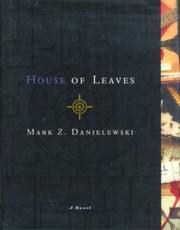
House of Leaves
Mark Z. Danielewski
Labyrinthine, uncanny house horror with obsessive prose and escalating unease.
Pick this if you enjoyed the claustrophobic, uncanny architecture of institutional spaces in King’s tale; expect a more stylistically experimental, obsessive prose approach here.

The Ritual
Adam Nevill
Men stalked by ancient woodland terror, visceral and steadily mounting dread.
Pick this if you liked men being stalked by an elemental, relentless force and want visceral, steadily mounting dread — this shares that hunt motif even though the setting differs.
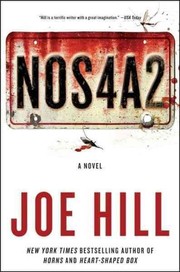
NOS4A2
Joe Hill
A monstrous, predatory villain preying on childhood and memory in eerie fashion.
Pick this if it was the idea of a predatory antagonist who preys on children and memory that attracted you — this novel offers a larger, more fantastical canvas for that theme.
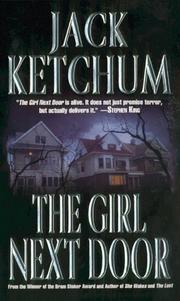
The Girl Next Door
Jack Ketchum
Harsh, visceral depiction of cruelty, neighborhood menace, and childhood trauma.
Pick this if you were drawn to the story’s portrayal of neighborhood cruelty and the real‑world consequences of childhood harm — fair warning: this is the rawest and most realistic match in terms of human‑inflicted violence, so it’s the loosest fit on supernatural elements.
At a glance
Matches were chosen for how they echo The Library Policeman’s core dynamics: resurfaced childhood trauma, a single uncanny antagonist or institutionalized menace, and a tone that leans toward psychological dread rather than nonstop shocks.
| Book | First published | Pages | Closest match on | Match |
|---|---|---|---|---|
It Stephen King | 1986 | 1168 | Childhood trauma resurfacing | 92% |
Ghost Story Peter Straub | 1979 | 507 | Guilt‑ridden elders | 88% |
The Fisherman John Langan | 2016 | 304 | Elegiac, grief‑led horror | 86% |
Summer of Night Dan Simmons | 1991 | 576 | Children confronting evil | 85% |
The Haunting of Hill House Shirley Jackson | 1959 | 246 | Pulp expedition meets dread | 84% |
House of Leaves Mark Z. Danielewski | 1998 | 736 | Uncanny, house‑like labyrinths | 80% |
The Ritual Adam Nevill | 2012 | — | Woodland/ancient terror | 76% |
NOS4A2 Joe Hill | 2013 | 697 | Monstrous childhood predator | 75% |
The Girl Next Door Jack Ketchum | 1989 | 362 | Brutal neighborhood menace | 72% |
About The Library Policeman
"The Library Policeman" first appeared as a novella in Stephen King’s collection Four Past Midnight. King sets the story in his familiar small‑town milieu and uses library imagery and bureaucratic authority as central motifs. The novella is notable for focusing on adult consequences of childhood trauma rather than straightforward spectacle.
Frequently asked questions
Is The Library Policeman connected to other Stephen King stories?+
It’s self‑contained but shares King’s recurring interests — small towns, adult survivors of childhood horrors, and a monster that embodies social authority. You’ll find tonal kinship with several King novels listed below.
How graphic is the horror in The Library Policeman?+
The novella emphasizes emotional and psychological violation over explicit gore. If you reacted to the way King explores shame and memory there, picks like It and The Fisherman replicate that uneasy focus on grief and trauma.
Which book on this list is the closest in theme?+
It is the closest match in terms of childhood trauma resurfacing and a community’s long memory of a monstrous threat; many readers move between those two directly.
Does The Library Policeman rely on jump scares or slow dread?+
It builds dread slowly — through memories, rumors and the weight of institutional power. For a similarly paced, elegiac build, consider The Fisherman or Ghost Story.
Is this suitable for younger readers?+
No. The story concerns sexual and psychological abuse and centers on adult survivors; it’s intended for mature readers and deals with disturbing subject matter.
More books by Stephen King
See all 81 Stephen King guides →Want recommendations based on your own favorites?
BookTwin can match you to books by mood, pacing, themes, and emotional payoff — based on 1 to 5 books you tell it you loved.
Try BookTwin