
Books Like The Dark Half
by Stephen King
The Dark Half is a classic King setup: an authorically literal doppelgänger emerges from the protagonist’s shadow life and proceeds to enact violence while the “real” man denies responsibility. King balances domestic small‑town detail with graphic scenes and a mounting, procedural hunt; the novel trades on identity as both plot driver and metaphysical conceit, with a visceral, occasionally gory payoff. The book also foregrounds the craft of storytelling itself — a writer’s pseudonym made flesh — so the horror is tied to creativity as much as to supernatural menace.
Readers reach for similar books for different reasons. Some want the psychological double that unmakes a man; others want slow, communal dread in a tight setting; some respond to unreliable or morally compromised narrators who charm while they disintegrate. The nine recommendations below are selected to reflect those distinct hooks — uncanny doubles, claustrophobic small towns, elegantly cold identity theft, and novels that let guilt or secret histories accumulate until they erupt. Each note explains which strand of The Dark Half it mirrors and where it diverges.
Recommended for fans of The Dark Half
The Other
Thomas Tryon
Classic doppelgänger tale mixing small-town dread and disturbing family secrets.
Pick this if you want a near‑perfect thematic echo: a double that destabilizes a family and a community with creeping, horrific implications.
Ghost Story
Peter Straub
Eerie, slow-burning supernatural horror with layered guilt and malevolent pasts.
Pick this if you liked The Dark Half’s slow‑burn accumulation of guilt within a group; this one amplifies that patience and the sense that old wrongs keep surfacing.
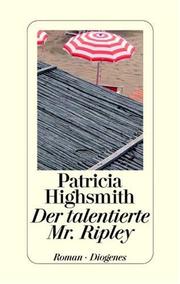
The Talented Mr. Ripley
Patricia Highsmith
Cold-blooded identity theft and moral unraveling of a charming, dangerous protagonist.
Pick this if you were taken by how identity can be adopted and weaponized — read this if you want a cold, amoral protagonist whose imitation becomes horror without supernatural help.
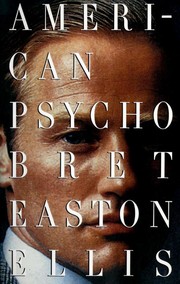
American Psycho
Bret Easton Ellis
Unnerving split between a polished exterior and monstrous inner life.
Pick this if you responded to the contrast between outward normalcy and inner monstrosity; expect clinical detachments and transgressive interior life rather than supernatural doubling.
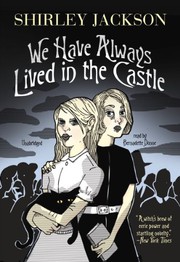
We Have Always Lived in the Castle
Shirley Jackson
Claustrophobic, uncanny atmosphere and unreliable narrators hiding dark truths.
Pick this if you appreciated prose that pairs methodical investigation with pulpy shocks; this channels the same blend of steady pacing and set‑piece grotesquerie.
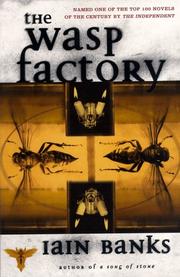
The Wasp Factory
Iain Banks
Disturbing, mordant first-person voice with shocking revelations and warped psyche.
Pick this if you liked the novel’s moments of mordant irony and want a first‑person voice that shocks by sheer unapologetic perversity — a mood match more than a plot match.

The Double
Fyodor Dostoevsky
19th-century psychological study of a man destroyed by his uncanny double.
Pick this if you want a classic, clinical interrogation of a man destroyed by an uncanny double; it’s older in tone but very close on the core idea of split identity.
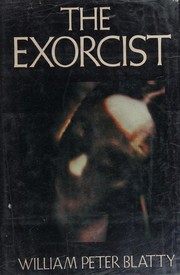
The Exorcist
William Peter Blatty
Intense theological and psychological horror centered on possession and identity loss.
Pick this if you’re drawn to stories where identity is overtaken by an external force with theological or psychological weight — this leans more into ritualized, possession‑style horror than King’s author‑as‑double conceit.
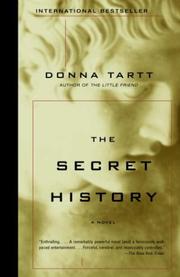
The Secret History
Donna Tartt
Slow-burn academic thriller about moral decay, secrets, and chilling consequences.
Pick this if you enjoyed the slow accrual of secret sins and their social consequences; this is the loosest on supernatural doubling but strong where moral decay and a closed circle of characters lead inexorably to violence.
At a glance
Matches were chosen on specific dimensions of The Dark Half: literal or psychological doppelgängers, small‑town/unsettling community atmospheres, unreliable or morally ambivalent narrators, and narratives that escalate personal guilt into violence. Percentages reflect overlap across those axes.
| Book | First published | Pages | Closest match on | Match |
|---|---|---|---|---|
The Other Thomas Tryon | 1750 | 104 | Literal doppelgänger dread | 92% |
Ghost Story Peter Straub | 1979 | 507 | Communal guilt & pasts | 90% |
The Talented Mr. Ripley Patricia Highsmith | 1955 | 288 | Charming moral unraveling | 86% |
American Psycho Bret Easton Ellis | 1991 | 477 | Polished surface, monstrous interior | 84% |
We Have Always Lived in the Castle Shirley Jackson | 1962 | 187 | Expedition into uncanny peril | 83% |
The Wasp Factory Iain Banks | 1984 | 194 | Black humor & warped voice | 80% |
The Double Fyodor Dostoevsky | 1957 | 164 | Psychological double study | 78% |
The Exorcist William Peter Blatty | 1971 | 400 | Possession & identity loss | 76% |
The Secret History Donna Tartt | 1992 | 608 | Slow academic rot | 74% |
About The Dark Half
The Dark Half was published in 1989 and follows Thad Beaumont, a writer whose murderous pseudonym, George Stark, manifests physically. King drew on recurring themes in his work — identity, the cost of creation and the intrusion of the uncanny into ordinary life — and the book was adapted into a 1993 film.
Frequently asked questions
Is The Dark Half autobiographical for Stephen King?+
King has said aspects of the novelist’s life inform his fiction, but The Dark Half is not a straightforward autobiography. Its central conceit — a writer’s nom de plume becoming autonomous — is a fantastical exaggeration used to explore identity and responsibility.
Which Stephen King novels are closest to The Dark Half?+
Books by King that explore doubles, troubled creators or small‑town supernatural intrusions — such as the novellas and novels in his broader bibliography — share clear affinities with The Dark Half.
Do these recommended books also feature supernatural elements?+
Some do and some don’t. Several — like The Other and Ghost Story — lean into supernatural or uncanny doubles; others — like The Talented Mr. Ripley and American Psycho — are psychological studies of identity and moral collapse without overt supernatural causation.
Should I read these if I liked the horror in The Dark Half?+
Yes, but pick by which aspect you liked most. If it was the uncanny double, start with The Other; if it was the slow communal dread, Ghost Story fits better; if it was the unsettling, charismatic villain, The Talented Mr. Ripley is more appropriate.
Which of these is the loosest match to The Dark Half?+
The Secret History is the loosest fit in terms of supernatural or literal doubling; it matches on the slow accrual of moral decay and secret consequences rather than on the doppelgänger theme.
More books by Stephen King
See all 81 Stephen King guides →Want recommendations based on your own favorites?
BookTwin can match you to books by mood, pacing, themes, and emotional payoff — based on 1 to 5 books you tell it you loved.
Try BookTwin