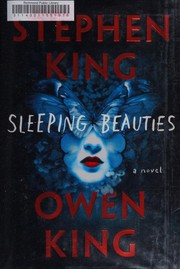
Books Like Sleeping Beauties
by Stephen King
Sleeping Beauties hinges on a single speculative conceit that reshapes every social relation: at sundown, most women fall into a cocoon-like sleep; if disturbed inside it they become feral, and if kept safe they awaken unchanged. That premise turns an epidemic trope into a gendered thought experiment — the novel reads as part apocalypse, part courtroom for masculinity, with a large ensemble cast, a single isolated town as crucible, and long stretches of moral debate about what reconstruction should look like.
Readers who loved Sleeping Beauties did so for different, specific reasons. Some were drawn to the global-as-local structure: the way an uncanny, world-spanning event is interrogated through one Appalachian community. Others came for the ethical knot-tying — who deserves power when the social order collapses? And many appreciated King's particular blend of supernatural horror, plainspoken small-town detail, and sprawling, multi-voice storytelling. The picks below are organized to match those distinct hooks: epidemic scale, community study, enclosed-thriller tension, and Stephen King’s signature moral reckoning.
Recommended for fans of Sleeping Beauties
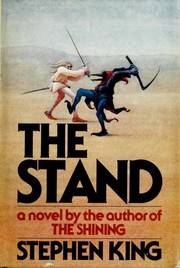
The Stand
Stephen King
Epic pandemic with moral conflict, large ensemble, and small-community consequences.
Pick this if you want another sprawling catastrophe that tests morality and community. The Stand matches Sleeping Beauties' ensemble cast and its probing of who should lead and how society reconfigures after mass trauma.

The Girl With All the Gifts
M.R. Carey
Infectious outbreak with sympathetic female protagonist and ethical dilemmas.
Pick this if you responded most to the ethical puzzle at the novel's heart. This book centers an infected (or transformed) female protagonist and forces the reader to judge actions that blur victimhood and agency, making it a close thematic cousin.

Station Eleven
Emily St. John Mandel
Quiet, character-driven post-plague story about survival, memory, and community.
Pick this if it was the intimate, reflective aftermath and the focus on memory and rebuilding that appealed to you. Expect quieter pacing and an emphasis on relationships and small communities rather than shocks.

The Passage
Justin Cronin
Wide-ranging epidemic saga blending horror, epic scope, and emotional depth.
Pick this if you liked Sleeping Beauties' epic timeline and broad emotional sweep. This is a multi-volume, wide-ranging epidemic saga with the same blend of horror set against human endurance.

World War Z
Max Brooks
Oral-history of global pandemic focusing on societal collapse and human responses.
Pick this if you appreciated the social consequences and wanted a mosaic view of global responses. This is structured as a staged ‘oral history’ of collapse and recovery, so it amplifies the societal-angle more than the supernatural one.
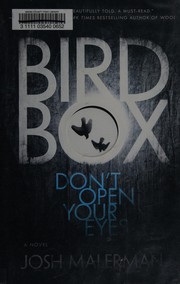
Bird Box
Josh Malerman
Claustrophobic, tense survival story with strong emotional and psychological stakes.
Pick this if you were pulled in by the novel’s tense, psychological stakes and wanted a leaner, more immediate survival thriller. It keeps emotional tension high and the threat close, making for a tight, anxiety-driven read.
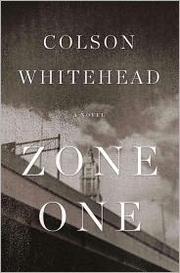
Zone One
Colson Whitehead
Literary take on zombie apocalypse exploring trauma and everyday aftermath.
Pick this if you valued the reflective, literary handling of trauma and the everyday work of living on after catastrophe. This is more stylistically spare and inward-facing than Sleeping Beauties, but similarly concerned with what remains when horror becomes ordinary.
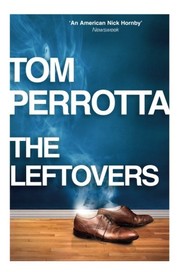
The Leftovers
Tom Perrotta
Unnerving exploration of communal grief, belief, and social breakdown.
Pick this if you were most interested in social belief systems, cultish responses, and how communities make sense of inexplicable loss. It shares Sleeping Beauties' interest in grief and the social rituals that follow — though it’s less overtly supernatural.
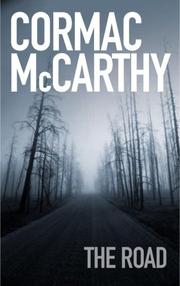
The Road
Cormac McCarthy
Bleak, intimate father-son journey through post-collapse world, emotionally devastating.
Pick this if you want the emotional rawness of a post-collapse relationship and can handle a much bleaker tone. This is a stripped-down, devastating portrait of survival and attachment rather than a communal moral puzzle.
At a glance
Matches were chosen for the dimensions readers most often cite in Sleeping Beauties: epidemic or transformative premise, large ensemble/community focus, ethical and political interrogation, and the mixture of horror with domestic detail. Each pick highlights which of those elements it shares with King’s novel.
| Book | First published | Pages | Closest match on | Match |
|---|---|---|---|---|
The Stand Stephen King | 1978 | 1153 | Epic epidemic scope | 95% |
The Girl With All the Gifts M.R. Carey | 2014 | 416 | Ethical outbreak dilemmas | 92% |
Station Eleven Emily St. John Mandel | 2014 | 352 | Quiet, character-led post-plague | 90% |
The Passage Justin Cronin | 2010 | 906 | Long, multi-generational saga | 88% |
World War Z Max Brooks | 2006 | 422 | Societal collapse reportage | 86% |
Bird Box Josh Malerman | 2001 | 36 | Claustrophobic survival tension | 84% |
Zone One Colson Whitehead | 2011 | 280 | Literary apocalypse & aftermath | 82% |
The Leftovers Tom Perrotta | 2011 | 390 | Community belief & grief | 80% |
The Road Cormac McCarthy | 2006 | 256 | Bleak, intimate road survival | 78% |
About Sleeping Beauties
Sleeping Beauties is a 2017 novel credited to Stephen King and his son Owen King. It combines horror and speculative fiction to examine gender and societal collapse through the fallout of a worldwide phenomenon, and was widely discussed for its topical treatment of violence and power dynamics.
Frequently asked questions
Is Sleeping Beauties a pandemic novel or more of a fantasy allegory?+
Both. The plot uses a pandemic-like global event (women falling into cocoons) but treats it as a supernatural phenomenon that functions as an allegory for gendered power and community response. If you want straight medical realism, look to the nonfiction-adjacent epidemic reads on the list.
Which Stephen King book feels most like Sleeping Beauties?+
The Stand is the closest in scale and in its interest in how communities rebuild and morally judge one another after a catastrophe. Both are ensemble-driven and ask big ethical questions alongside supernatural elements.
If I liked the moral debates in Sleeping Beauties, what should I pick next?+
Choose The Stand for another long, character-rich ethical reckoning amid catastrophe, or The Road for a stark, intimate study of survival and paternal responsibility if you want fewer characters and more bleak focus.
Is Sleeping Beauties suitable for readers who dislike graphic violence?+
It contains scenes of gender-based violence and some visceral descriptions; the violence serves thematic ends rather than gratuitous shock. If graphic detail is a concern, The Leftovers (on this list) and some Stephen King titles vary in intensity — The Stand contains significant violence as well.
More books by Stephen King
See all 81 Stephen King guides →Want recommendations based on your own favorites?
BookTwin can match you to books by mood, pacing, themes, and emotional payoff — based on 1 to 5 books you tell it you loved.
Try BookTwin