
Books Like Rat
by Stephen King
Rat is a stripped-down, claustrophobic fable about bargains, creativity and the price of getting what you want. It follows a single narrator through a rural writing retreat where a literal rat (and the narrator’s Faustian choices) set a tight, escalating moral logic in motion: isolation, a shrinking set of options, and one final, inevitable consequence. The story's power comes from its interior focus — long stretches of first-person rumination interrupted by sudden, visceral violence — and from King's willingness to make the protagonist's talent and cowardice the engine of horror.
Readers who connect with Rat often do so for one of three precise reasons: the small, enclosed setting that concentrates dread; the ethical unraveling of an otherwise ordinary person; or the way supernatural compulsion is treated as a grim psychological pressure rather than spectacle. Which of those pulled you in will determine the best next read: some of the picks below echo Rat’s single-minded moral pressure, others mirror its rural isolation or its slow-burn, character-driven terror. Each note explains where the match is tight and where it loosens up so you can choose by the element you want more of.
Recommended for fans of Rat
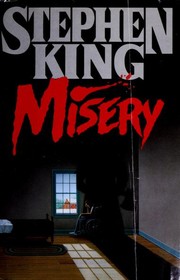
Misery
Stephen King
Writer held captive; escalating moral and physical desperation in isolated setting.
Pick this if you wanted the exact dynamic of a writer trapped and stripped down to fear and moral choices; Misery is the closest King-to-King echo.
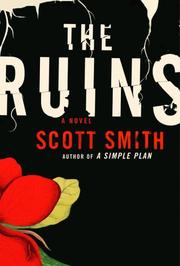
The Ruins
Scott Smith
Small group trapped by relentless, uncanny menace; gruesome survival choices.
Pick this if it was Rat’s claustrophobic, escalating survival horror that gripped you. Note: this is a small-group, botanical menace rather than a single-person psychological fable, so it’s a close structural match but different in cast.

The Ritual
Adam Nevill
Friends lost in woods confront ancient, psychological and physical terror.
Pick this if the forest-as-psyche element drew you in. The Ritual shares that slow, atmospheric unravelling — similar mood, with more folkloric pagan terror.
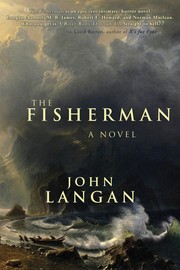
The Fisherman
John Langan
Slow-building cosmic dread intertwined with grief and consequential bargains.
Pick this if you appreciated Rat’s seed of existential consequence more than its gore. The Fisherman leans into long-building, uncanny grief and the costs of bargaining.
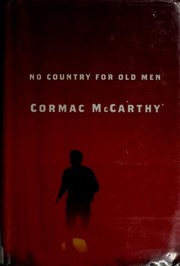
No Country for Old Men
Cormac McCarthy
Cold, amoral violence and fatalistic choices with creeping existential dread.
Pick this if you were moved by Rat’s moral fatalism and wanted a starker, remorseless vision of violence and consequence. This is a thematic cousin rather than a supernatural one.
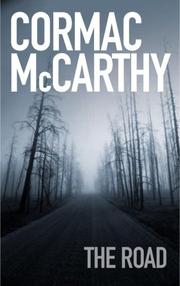
The Road
Cormac McCarthy
Bleak, desperate survival and moral compromises between hope and horror.
Pick this if you liked Rat’s stripped-down survival and bleak moral compromises. The Road trades supernatural hints for post-apocalyptic austerity and relentless moral testing.
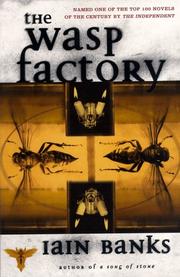
The Wasp Factory
Iain Banks
Unsettling psychological interiority and transgressive, dark revelations.
Pick this if it was the narrator’s disturbing inner life and transgressive revelations that held your attention. This pick matches that psychological unease even if its plotting is more extreme.

We Need to Talk About Kevin
Lionel Shriver
Parent-child moral collapse and chilling introspective tension.
Pick this if you were most affected by Rat’s focus on responsibility, culpability and chilling introspection. This book parallels those themes through a different domestic lens; it’s a looser match on setting but tight on moral disquiet.
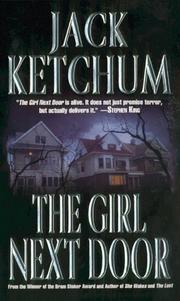
The Girl Next Door
Jack Ketchum
Brutal, realist horror exploring cruelty, complicity, and moral failure.
Pick this if the harsh, uncompromising look at cruelty and complicity appealed to you. This is a harder, more realistic kind of horror than Rat’s bargain-supernatural blend, so expect moral shock rather than occult explanation.
At a glance
These matches prioritize the same dimensions that define Rat: insular settings that amplify dread, moral unravelling of a sympathetic protagonist, and a slow escalation from plausible pressure to horrific consequence. Percentages reflect how many of those elements a book shares, not overall style parity.
| Book | First published | Pages | Closest match on | Match |
|---|---|---|---|---|
Misery Stephen King | 1978 | 382 | Writer-in-peril premise | 92% |
The Ruins Scott Smith | 2005 | 336 | Small-group entrapment | 89% |
The Ritual Adam Nevill | 2012 | — | Woods-bound dread | 86% |
The Fisherman John Langan | 2016 | 304 | Grief-driven cosmic dread | 84% |
No Country for Old Men Cormac McCarthy | 1900 | 304 | Cold, amoral violence | 83% |
The Road Cormac McCarthy | 2006 | 256 | Bleak survival choices | 80% |
The Wasp Factory Iain Banks | 1984 | 194 | Unsettling interiority | 78% |
We Need to Talk About Kevin Lionel Shriver | 2003 | 468 | Parent-child moral collapse | 76% |
The Girl Next Door Jack Ketchum | 1989 | 362 | Brutal realism of cruelty | 75% |
About Rat
"Rat" first appeared in Stephen King's 2019 collection If It Bleeds. The novella compresses classic King themes — small-town/rural setting, a writer-protagonist and a transgressive bargain — into a short, intense form that readers and critics often compare to his darker mid-career shorter works.
Frequently asked questions
What Stephen King story is most like Rat?+
Misery is the closest King analog on this list: both put a writer in an isolating situation where creative pressure becomes life-or-death, and both track escalating moral and physical desperation.
I liked Rat’s rural setting and slow dread — what else should I read?+
Try The Ritual or The Ruins for woods-bound, slow-building menace that leans on isolation; if you want rural bleakness and existential survival, The Road offers a more nihilistic, austere counterpart.
Are there books here about ordinary people making terrible choices?+
Yes. No Country for Old Men and The Girl Next Door both examine ordinary-seeming characters pushed or revealed into moral failure; Misery and The Wasp Factory explore disturbing interiority that leads to transgressive acts.
Which picks focus more on grief and cosmic dread than on immediate survival?+
The Fisherman foregrounds grief and slow, uncanny consequences rather than breakneck survival; it's more meditative about loss and what bargains cost you.
More books by Stephen King
See all 81 Stephen King guides →Want recommendations based on your own favorites?
BookTwin can match you to books by mood, pacing, themes, and emotional payoff — based on 1 to 5 books you tell it you loved.
Try BookTwin