
Books Like Duma Key
by Stephen King
Duma Key is driven by a specific set of mechanics: a damaged man relocates to a salty Gulf Coast island to recover from a traumatic brain injury, discovers that painting channels a disturbing form of psychic power, and slowly realizes that the island—and his own art—are linked to something malicious and ancient. The novel unfolds as a slow, accumulating dread: domestic details, therapy and friendships sit beside eerie visions and escalating violence, so the horror arrives through the protagonist’s fragile perception and a mounting catalogue of uncanny episodes rather than non-stop shock tactics.
Readers who loved Duma Key usually did so for one of a few clear reasons. Maybe it was the way recovery and creativity are fused to the supernatural; maybe you wanted the slow-burn, literary-leaning tempo where character work and atmosphere matter as much as set pieces; or perhaps the island setting and the carved space of the artist’s studio — a private workshop that becomes a portal — is what gripped you. The nine books below were chosen to match those distinct elements: art-as-catalyst, unreliable/altered consciousness, grief and obsession, and the long, patient build of dread.
Recommended for fans of Duma Key
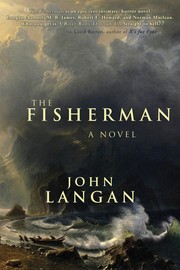
The Fisherman
John Langan
Slow-burning cosmic horror about grief, obsession, and eerie waterside myths.
Pick this if you want another slow-building, elegiac horror rooted in loss and obsession set around eerie waters and local myths that fester into something cosmic.

The Drowning Girl
Caitlín R. Kiernan
Unreliable narrator, artful prose, and blurred lines between madness and supernatural.
Pick this if you were drawn to Duma Key’s blurred line between illness-induced perception and real supernatural events — this one features an unreliable narrator whose art and mind fold together.

The King in Yellow
Robert W. Chambers
Decadent, uncanny stories where art and a cursed play warp reality and minds.
Pick this if the core interest was art itself functioning as a contaminant or catalyst for madness and reality-warping. This is the most direct match for that specific idea.
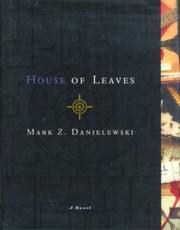
House of Leaves
Mark Z. Danielewski
Labyrinthine, experimental horror that builds dread through obsession and architecture.
Pick this if you appreciated dread built through textual play and obsessive analysis. Expect a more labyrinthine and formally daring route to anxiety than King’s straightforward prose.
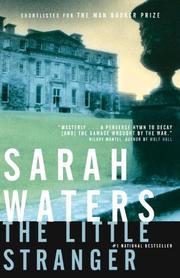
The Little Stranger
Sarah Waters
Gothic, slow-burn haunting of a decaying house and its fragile inhabitants.
Pick this if the slow-burn, psychologically driven haunting of a decaying house and its fragile inhabitants appealed to you; it’s quieter and more domestic but shares the same patient rot.
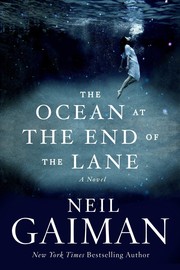
The Ocean at the End of the Lane
Neil Gaiman
Nostalgic, melancholic supernatural tale blending childhood memory and uncanny terror.
Pick this if it was Duma Key’s melancholic, memory-laden atmosphere you liked. This brings a fable-like, intimate tone where childhood memory and uncanny events blur, though it’s shorter and more lyrical.
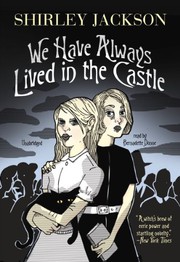
We Have Always Lived in the Castle
Shirley Jackson
Claustrophobic, character-driven darkness with polite dread and isolation.
Pick this if you were after character-driven isolation and social unease—this supplies polite-society dread and inward-focus rather than overt supernatural mechanics.
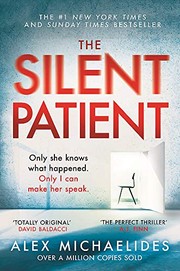
The Silent Patient
Alex Michaelides
Psychological mystery centered on art, trauma, and a shocking unraveling.
Pick this if you’re mainly after an art-centered psychological unraveling with a major twist at its core. This is a looser fit for supernatural readers—its power is psychological more than uncanny.
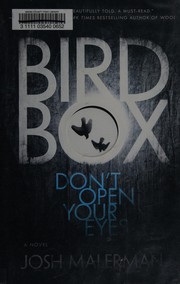
Bird Box
Josh Malerman
Tense, atmospheric survival horror driven by invisibly dangerous forces and dread.
Pick this if you loved the mounting, oppressive tension and the sense of an unseen hazard shaping behavior. It’s a leaner, survival-tinged cousin to King’s atmospheric dread, less focused on art as catalyst.
At a glance
Matches were chosen on four axes most relevant to Duma Key: art or creative work as a supernatural conduit, slow-burn/psychological accumulation of dread, trauma/recovery as a narrative engine, and a confined or liminal setting (island/house/studio) that amplifies obsession.
| Book | First published | Pages | Closest match on | Match |
|---|---|---|---|---|
The Fisherman John Langan | 2016 | 304 | Waterside, grief-driven dread | 93% |
The Drowning Girl Caitlín R. Kiernan | 2012 | 343 | Unreliable, artful narrator | 90% |
The King in Yellow Robert W. Chambers | 1895 | 228 | Cursed art & contagion | 88% |
House of Leaves Mark Z. Danielewski | 1998 | 736 | Experimental dread via obsession | 87% |
The Little Stranger Sarah Waters | 2009 | 512 | Gothic, slow-accumulating haunt | 85% |
The Ocean at the End of the Lane Neil Gaiman | 2013 | 224 | Nostalgic uncanny memory | 84% |
We Have Always Lived in the Castle Shirley Jackson | 1962 | 187 | Claustrophobic character study | 83% |
The Silent Patient Alex Michaelides | 2018 | 352 | Art, trauma, surprising twist | 78% |
Bird Box Josh Malerman | 2001 | 36 | Atmospheric, invisible menace | 75% |
About Duma Key
Duma Key was published in 2008 and is part of Stephen King’s later-body-of-work that re-centers psychological horror around aging, trauma and creativity. It’s set primarily on a fictional Florida Gulf Coast island where the protagonist’s paintings become a supernatural conduit that drives the plot toward violent reckonings.
Frequently asked questions
What should I read after Duma Key if I want more Stephen King with similar themes?+
Look to King’s other late-career novels that foreground aging, trauma and uncanny abilities—books where the supernatural is tangled with memory and art rather than pure shock.
Is Duma Key more horror or literary fiction?+
It sits between both: King layers literary attention to character and recovery with supernatural horror elements. If you preferred the reflective, character-led pace, several picks below share that balance.
Which book on this list is closest to Duma Key’s theme of art as a conduit for evil?+
The King in Yellow most closely mirrors the idea of creative works that warp reality and minds; it’s the most direct analogue for cursed art on this list.
I liked the slow reveal and lakeside/island setting—what should I pick?+
The Fisherman shares the same patient accumulation of dread around watery, liminal places and grief-driven obsession that anchors much of Duma Key.
Are any of these books modern psychological thrillers rather than supernatural horror?+
Yes. The Silent Patient is primarily a psychological mystery about trauma and art rather than cosmic or uncanny forces, so treat it as the loosest fit for supernatural-minded readers.
More books by Stephen King
See all 81 Stephen King guides →Want recommendations based on your own favorites?
BookTwin can match you to books by mood, pacing, themes, and emotional payoff — based on 1 to 5 books you tell it you loved.
Try BookTwin