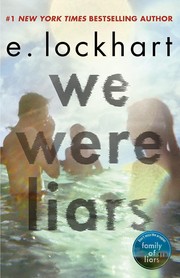
Books Like We Were Liars
by E. Lockhart
We Were Liars is built on a careful, claustrophobic geometry: an island compound, an elite family, and a narrator whose memories are unreliable in ways that matter to the plot. E. Lockhart structures the novel as a slow reveal — short, lyrical chapters, repeated motifs, and a final twist that reframes everything that comes before. The prose is economical and haunted; the story trades on withheld information and the emotional logic of privilege, guilt and grief.
Readers come to this book for distinct reasons, and different recommendations suit different hungers. Some will want another atmospheric, morally ambiguous group of young people whose friendships curdle into catastrophe. Others will want a domestic study of family silence and the ripple effects of a single death, or a return-home mystery driven by a damaged narrator. Below are nine books chosen for how they echo We Were Liars’ unreliable voice, memory-driven structure, elegiac tone, or focus on secrecy within families of means — with plain notes on where each match is tight and where it loosens up.
Recommended for fans of We Were Liars
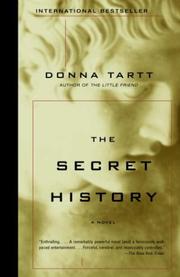
The Secret History
Donna Tartt
Atmospheric, academic thriller about elite friends, secrets, and moral unraveling.
Pick this if you wanted another tightly drawn group of privileged students whose friendships and secrets spiral into moral catastrophe — this is the strongest match for that exact atmosphere.
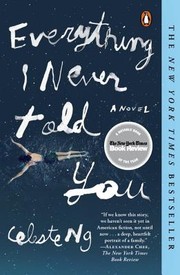
Everything I Never Told You
Celeste Ng
Quietly devastating family secrets and the ripple effects of a tragic death.
Pick this if it was the domestic grief and the long, measured accounting of a family’s silence that moved you; this book trades Cadence’s island for a suburb but matches the emotional, aftermath-focused tone.

Sharp Objects
Gillian Flynn
Dark, psychological return-home mystery with damaged narrator and twisted family dynamics.
Pick this if you liked a battered narrator returning to confront family history and disturbing truths; expect a darker, more violent edge and a noirish approach to revelation.
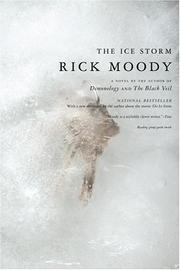
The Ice Storm
Rick Moody
Sharp suburban portrait of secrets, adolescence, and moral collapse during one winter.
Pick this if you wanted a portrait of adolescence and moral failing played out over a single fraught season; this one is more ensemble and bleakly satirical in its social detail.
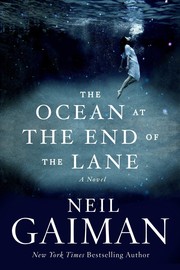
The Ocean at the End of the Lane
Neil Gaiman
Memory-soaked, uncanny childhood tale blending nostalgia, mystery, and emotional ache.
Pick this if it was the dreamlike, memory-heavy childhood perspective you loved. This is more explicitly fantastical, but it mirrors the way recollection reshapes trauma and wonder.
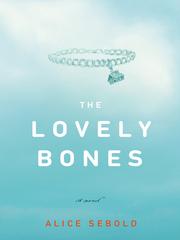
The Lovely Bones
Alice Sebold
Poignant, haunting account of loss, family grief, and hidden truths after a death.
Pick this if you cared most about loss and how a family rearranges itself after a death; it’s a quieter, more mournful match rather than one driven by mystery.
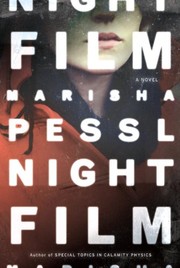
Night Film
Marisha Pessl
Atmospheric investigative novel about obsession, secrets, and a vanished filmmaker's legacy.
Pick this if you liked the obsessive piecing-together of what really happened; this novel’s investigative structure and layered documents create a collage of secrecy, though it’s more procedurally detailed than Lockhart’s approach.
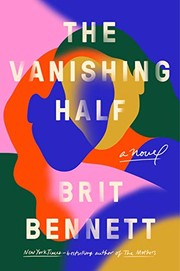
The Vanishing Half
Brit Bennett
Multi-generational family story about identity, secrets, and the consequences of choices.
Pick this if you were drawn to multi-generational secrets and their long consequences; this is broader in scope and less claustrophobic than We Were Liars, so it’s a looser fit if you want tight, immediate tension.
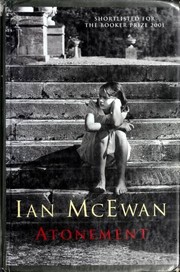
Atonement
Ian McEwan
Elegiac novel about youthful lies, guilt, and the long reach of a falsehood.
Pick this if you wanted an elegiac meditation on a youthful falsehood and its ripple through lives. This is more formally restrained and morally wide-ranging, but it shares the long reach of a past act.
At a glance
I matched these books across four dimensions most relevant to We Were Liars: unreliable or fractured narration, a small/elite community setting, family secrets and guilt, and an elegiac, memory-soaked tone. Some picks line up on several of those at once; others share just one strong element and are noted below when the fit is looser.
| Book | First published | Pages | Closest match on | Match |
|---|---|---|---|---|
The Secret History Donna Tartt | 1992 | 608 | Elite circle & moral unraveling | 93% |
Everything I Never Told You Celeste Ng | 2014 | 297 | Quiet family tragedy | 90% |
Sharp Objects Gillian Flynn | 2006 | 312 | Damaged return-home narrator | 88% |
The Ice Storm Rick Moody | 1994 | 279 | Suburban collapse & adolescence | 85% |
The Ocean at the End of the Lane Neil Gaiman | 2013 | 224 | Memory + uncanny childhood | 82% |
The Lovely Bones Alice Sebold | 2000 | 349 | Poignant loss & aftermath | 81% |
Night Film Marisha Pessl | 2013 | 624 | Investigative obsession & secrets | 80% |
The Vanishing Half Brit Bennett | 2020 | 376 | Family identity across time | 78% |
Atonement Ian McEwan | 2001 | 384 | Youthful lie & lasting guilt | 77% |
About We Were Liars
We Were Liars was published in 2014 and quickly became a notable young-adult bestseller because of its sealed-off setting and a twist ending that drew widespread attention. The novel centers on Cadence Sinclair and her circle of cousins and friends, dubbed the “Liars,” and uses fractured recollection as a plot engine to explore trauma and privilege.
Frequently asked questions
Is We Were Liars a mystery or a literary novel?+
It functions as both: a psychological mystery built on an unreliable narrator and a literary YA novel that uses language and structure (short chapters, repeated images) to interrogate memory and privilege. The story’s emotional weight comes as much from its prose and themes as from the plot reveal.
Which book on this list is the closest tonal match?+
If you want the same slow-burn atmosphere and morally ambiguous circle of young people, The Secret History is the closest tonal and structural cousin. For the emotional, family-focused side, Everything I Never Told You echoes the domestic fallout and quiet devastation.
Are any of these books similar because of an unreliable narrator?+
Yes. The Secret History and Sharp Objects both use narrators whose perspective is compromised or damaged, and both foreground the way memory and self-deception shape what we’re told. Night Film also leans on obsession and partial narratives, though it does so in a journalistic/epistolary mode.
I loved the island setting — which pick keeps that sense of uncanny childhood memory?+
The Ocean at the End of the Lane is the pick that most closely matches the memory-soaked, uncanny childhood sensibility. It’s a more fantastical approach, but it shares the ache of recollection and the way a child’s perspective can distort events.
Should I read other books by E. Lockhart next?+
Yes. Lockhart’s other works explore similar themes of adolescence, identity and emotional complexity with stylistic variety — readers who want more of her voice should seek out her other novels and shorter works.
Want recommendations based on your own favorites?
BookTwin can match you to books by mood, pacing, themes, and emotional payoff — based on 1 to 5 books you tell it you loved.
Try BookTwin