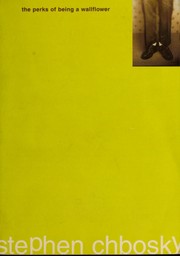
Books Like The Perks of Being a Wallflower
by Stephen Chbosky
The Perks of Being a Wallflower is a coming‑of‑age novel built from intimate, confessional moments: an earnest first‑person voice, a collage of letters, and a focus on emotional interiority more than plot. Charlie’s story turns on friendships that act as lifelines, the slow unspooling of past trauma, and a music‑and‑pop‑culture–studded teenage world that makes small acts feel monumental. The book’s power comes from the way it lingers on private observations — awkwardness at parties, the geometry of crushes, the language of grief — while still moving toward a quiet emotional resolution.
If you loved Perks, ask which piece mattered most. Did you respond to the raw, confiding narrator that addresses the reader directly? The adolescent friendships that feel both salvific and volatile? The candid handling of mental health and trauma? Or did the mix of adolescent romance and the soundtrack of a specific era pull you in? The nine picks below are organized to highlight those different hooks: classic precursors for the confessional voice, contemporaries that share teenage intimacy and grief, and looser tonal siblings that recur around memory and melancholy.
Recommended for fans of The Perks of Being a Wallflower
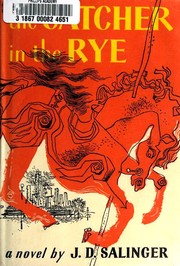
The Catcher in the Rye
J. D. Salinger
Iconic first-person teen narrator wrestling with identity and alienation.
Pick this if you loved Charlie’s intimate, first‑person, rueful narration and want a canonical example of that voice. This is the closest classic model for Perks’ narrator.

Looking for Alaska
John Green
Boarding-school friendships, grief, and introspective narrator voice.
Pick this if it was the way Perks handles loss within a tight school community that gripped you. Looking for Alaska shares the boarding‑school setting, close friend groups and a central tragedy that reshapes the characters.
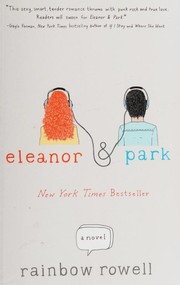
Eleanor & Park
Rainbow Rowell
Young love, outsider protagonists, and bittersweet emotional honesty.
Pick this if you most responded to the bittersweet romance and the outsider protagonists finding each other. This matches Perks on emotional honesty in young love, though it leans more directly into the relationship than into trauma therapy.
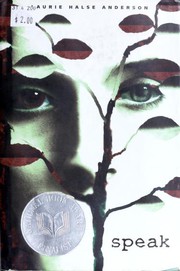
Speak
Laurie Halse Anderson
Quiet, traumatized teenage narrator finding voice and healing.
Pick this if you were drawn to Charlie’s gradual recovery and the theme of speaking out. Speak is a quieter, more narrowly focused book about a traumatized teen learning to reclaim language and agency.
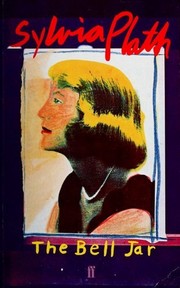
The Bell Jar
Sylvia Plath
Dark, lyrical exploration of adolescent mental illness and identity.
Pick this if you want a darker, more poetic probe of adolescent depression and identity. The Bell Jar shares Perks’ interior intensity but is more literary and less embedded in teen subculture.
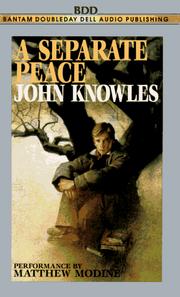
A Separate Peace
John Knowles
Intense school friendships, jealousy, and loss of innocence.
Pick this if it was the codependent, competitive friendships at school and the loss‑of‑innocence arc that appealed. A Separate Peace captures those dynamics, though its period setting and moral weight make it a starker read.
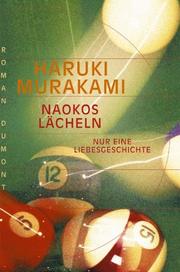
Norwegian Wood
Haruki Murakami
Melancholic young narrator, love, and coping with grief.
Pick this if you responded to Perks’ melancholy and meditative introspection. Norwegian Wood matches that mood and the focus on love and grief, but it is more adult and elegiac in scope.
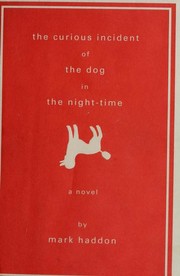
The Curious Incident of the Dog in the Night-Time
Mark Haddon
Distinct first-person teenage perspective grappling with truth and family.
Pick this if you liked reading from a tightly specific, atypical teenage perspective grappling with family and truth. This shares a first‑person distinctiveness, though its narrator’s cognitive profile and narrative mechanics differ significantly from Charlie’s.
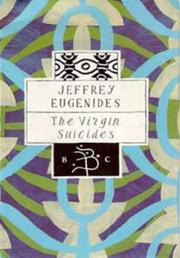
The Virgin Suicides
Jeffrey Eugenides
Haunting suburban adolescence, collective memory, and melancholic tone.
Pick this if you were after a collective, elegiac memory of youth and suburban unease. This is a looser fit — it echoes Perks’ melancholy and sense of loss but uses a chorus‑like narrative rather than a single confessional voice.
At a glance
Matches here are based on three main dimensions of Perks: a confessional first‑person teenage voice, close friendships as the narrative engine, and candid engagement with mental health/grief. Each recommended book shares some — but not all — of those elements; the percentage indicates how many dimensions line up.
| Book | First published | Pages | Closest match on | Match |
|---|---|---|---|---|
The Catcher in the Rye J. D. Salinger | 1945 | 240 | Confessional teen voice | 95% |
Looking for Alaska John Green | 2005 | 288 | Boarding‑school grief | 92% |
Eleanor & Park Rainbow Rowell | 2012 | 336 | Young love & outsiders | 88% |
Speak Laurie Halse Anderson | 1999 | 219 | Trauma and finding voice | 87% |
The Bell Jar Sylvia Plath | 1948 | 262 | Lyrical mental‑health portrait | 85% |
A Separate Peace John Knowles | 1966 | 196 | Friendship & lost innocence | 83% |
Norwegian Wood Haruki Murakami | 1987 | 389 | Melancholic young narrator | 82% |
The Curious Incident of the Dog in the Night-Time Mark Haddon | 2002 | 256 | Distinct narrative perspective | 80% |
The Virgin Suicides Jeffrey Eugenides | 1993 | 249 | Haunting suburban adolescence | 78% |
About The Perks of Being a Wallflower
Stephen Chbosky published The Perks of Being a Wallflower in 1999; it began as a series of letters from the protagonist, Charlie, and became a defining YA novel of the late 20th century. Chbosky later adapted it into the 2012 film; the novel is widely noted for its frank treatment of adolescence, friendship, and trauma.
Frequently asked questions
What should I read after The Perks of Being a Wallflower?+
If you want a similar confessional teenage voice, start with The Catcher in the Rye. For a contemporary boarding‑school group grappling with loss, try Looking for Alaska. If it was the novel’s frank treatment of trauma and finding voice you valued, Speak is a direct thematic companion.
Are there other books that handle teen mental health as honestly as Perks?+
Yes. Speak offers a quiet, trauma‑centered narrative about a teenage girl reclaiming speech, and The Bell Jar provides a darker, more lyrical exploration of adolescent mental illness — though Plath’s novel is more adult in perspective and tone.
Is The Perks of Being a Wallflower similar to classic coming‑of‑age novels?+
Very much so in lineage. The Catcher in the Rye is its most direct precursor in terms of a candid, fallible narrator navigating adolescence, and A Separate Peace shares the theme of school friendships colliding with jealousy and loss.
Which of these is a close modern equivalent?+
Looking for Alaska and Eleanor & Park are contemporary YA novels that echo Perks’ blend of intimate voice, friendship dynamics and romantic vulnerability. Looking for Alaska aligns especially on grief and boarding‑school setting.
Does Chbosky have other books like Perks?+
Chbosky’s other published works include the screenplay and film adaptation of The Perks of Being a Wallflower; readers seeking more of his voice can look to his film work and public interviews for related commentary.
Want recommendations based on your own favorites?
BookTwin can match you to books by mood, pacing, themes, and emotional payoff — based on 1 to 5 books you tell it you loved.
Try BookTwin