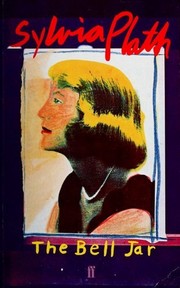
Books Like The Bell Jar
by Sylvia Plath
The Bell Jar is a close‑up of a young woman’s interior collapse delivered in spare, incisive prose. Sylvia Plath traces Esther Greenwood’s descent through fragmented consciousness, clinical encounters and the numbing routine of 1950s expectations; the novel’s power comes from its unflinching attention to the mechanics of depression — intrusive thoughts, failed treatments, and the distancing metaphors (the bell jar itself) that map a sealed-off mind.
Readers come to The Bell Jar for different, specific reasons: some for Esther’s confessional, diary-like voice that converts everyday details into escalating dread; others for its portrait of psychiatric care and the blunt depiction of institutional stays; and some for the feminist pressure cooker of gendered ambition versus prescribed roles. The nine picks below are grouped by which of those elements they most closely echo — inner monologue, institutional memoir, social entrapment, lyrical coming-of-age — and I note when a match is primarily tonal rather than structural so you know which route you’ll be taking from Plath’s particular gravity.
Recommended for fans of The Bell Jar
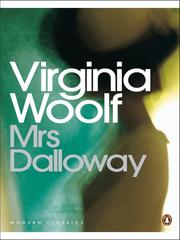
Mrs Dalloway
Virginia Woolf
Stream-of-consciousness portrait of a woman's inner life and brush with mental collapse.
Pick this if you wanted a prose technique that maps thought in real time and a narrator whose inner life is the plot’s engine. This is the closest match for Plath’s close, associative point of view.
Girl, Interrupted
Susanna Kaysen
First-person memoir of psychiatric institutionalization and identity struggles.
Pick this if you read The Bell Jar for its frank, first‑person account of psychiatric stays and identity fractured by institutional life. This is a direct, nonfiction companion focused on a similar terrain.
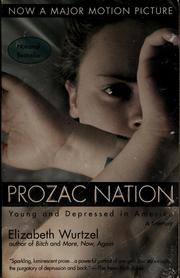
Prozac Nation
Elizabeth Wurtzel
Bracing, confessional memoir about depression and self-destructive behavior.
Pick this if you wanted a blunt, contemporary memoir that interrogates clinical depression and self‑destructive behavior in a confessional voice. It’s a later, less novelistic perspective but very direct on mood disorder.
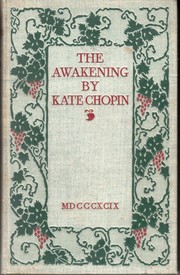
The Awakening
Kate Chopin
A woman's emotional and social crisis leading to radical choices and isolation.
Pick this if it was Esther’s mounting alienation within social expectations that gripped you. The Awakening shares the theme of a woman whose emotional crisis leads to radical personal choices and increasing isolation.
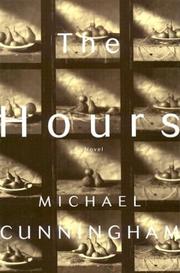
The Hours
Michael Cunningham
Interwoven lives, depression, and literary echoes of Woolf's psychological depth.
Pick this if you appreciated The Bell Jar’s literary consciousness — its dialogue with other texts and the layering of time and voice. This novel explicitly engages with Woolf’s techniques and depressive themes.
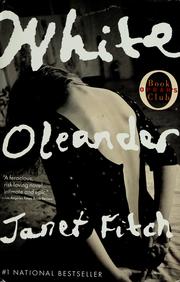
White Oleander
Janet Fitch
Lyrical, intense coming-of-age story shaped by loss and emotional upheaval.
Pick this if you valued Plath’s lyrical intensity and how loss reshapes a young woman’s identity. This book matches the emotional lyricism and the harrowing rite‑of‑passage feel.
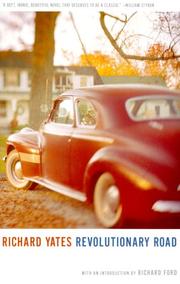
Revolutionary Road
Richard Yates
Bleak, precise examination of suburban dissatisfaction and emotional breakdown.
Pick this if you were drawn to the book’s critique of postwar domestic expectations and the corrosive effects of conformity. This is bleaker socially and focuses on couple dynamics rather than individual psychiatric experience.

The Glass Castle
Jeannette Walls
Raw, candid memoir of a fractured childhood and complicated resilience.
Pick this if you wanted raw, unforgiving memoiral candor about a fractured upbringing and survival. This is not a psychiatric case history like The Bell Jar, but it shares the unsparing self‑examination and resilience narrative.
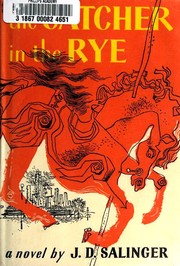
The Catcher in the Rye
J.D. Salinger
Intense, confessional adolescent voice coping with alienation and despair.
Pick this if it was Esther’s intimate, sometimes acerbic youthfulness and alienation you loved. This is a stronger adolescent voice than a clinical portrait — a tonal cousin rather than a precise match.
At a glance
Matches emphasize three dimensions central to The Bell Jar: intimate, present‑tense interiority; first‑person accounts of psychiatric care and recovery; and the social pressures that shape a woman's choices. Each recommendation is chosen for one or more of those affinities, and I call out looser tonal matches rather than oversell them.
| Book | First published | Pages | Closest match on | Match |
|---|---|---|---|---|
Mrs Dalloway Virginia Woolf | 1925 | 224 | Stream‑of‑conscious interiority | 95% |
Girl, Interrupted Susanna Kaysen | 1993 | 168 | Hospitalization memoir voice | 94% |
Prozac Nation Elizabeth Wurtzel | 1994 | 352 | Confessional depression memoir | 92% |
The Awakening Kate Chopin | 1899 | 216 | Social crisis & isolation | 90% |
The Hours Michael Cunningham | 1998 | 230 | Interwoven literary echoes | 89% |
White Oleander Janet Fitch | 1989 | 390 | Lyrical, intense coming‑of‑age | 88% |
Revolutionary Road Richard Yates | 1961 | 337 | Suburban dissatisfaction portrait | 85% |
The Glass Castle Jeannette Walls | 2005 | 347 | Candid resilience memoir | 83% |
The Catcher in the Rye J.D. Salinger | 1945 | 240 | Adolescent confessional voice | 82% |
About The Bell Jar
Published in 1963 under the pseudonym "Victoria Lucas," The Bell Jar is Sylvia Plath's only novel and is widely read as a semi‑autobiographical account of her struggles with depression. Plath drew on her own experiences with hospitalization and electroconvulsive treatment; the book has been influential in conversations about mental health, gender and midcentury American culture.
Frequently asked questions
Is The Bell Jar autobiographical?+
Yes — it is widely considered semi‑autobiographical. Plath drew on her own experiences as Esther Greenwood, including hospitalizations and confronting depression; readers often pair it with Plath’s poetry or her letters for fuller context.
What should I read next if I loved the voice in The Bell Jar?+
Start with Mrs Dalloway for stream‑of‑conscious interiority or Girl, Interrupted for a closer match on first‑person accounts of psychiatric institutionalization. Plath's own Ariel poems also illuminate the same emotional terrain in concentrated lyric form.
Which recommendations show psychiatric care in detail?+
Girl, Interrupted is the closest direct match for institutional memoir of mental health care. Prozac Nation offers a later, confessional voice about clinical depression in a memoir form.
Are any of these books similar because of feminist themes?+
Yes. The Awakening and Revolutionary Road both interrogate gendered expectations and the social costs of women—or couples—resisting prescribed roles, which echoes The Bell Jar’s account of constrained ambitions.
Want recommendations based on your own favorites?
BookTwin can match you to books by mood, pacing, themes, and emotional payoff — based on 1 to 5 books you tell it you loved.
Try BookTwin