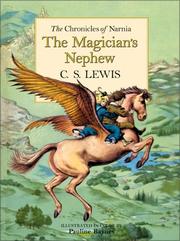
Books Like The Magician's Nephew
by C.S. Lewis
The Magician's Nephew is Narnia's origin story concentrated into a compact, uncanny adventure: two curious children, Digory and Polly, stumble through Wood between the Worlds into the making of a new world and witness Aslan's creation of Narnia. Its defining mechanics are portal fantasy and cosmogony — literal scenes of world-building paired with moral-testing episodes (temptation, consequence, sacrifice) — delivered in Lewis’s plainspoken, often sermonic narrator's voice.
Readers come to this book for different, specific reasons. Some want the mythic primer — the explanation of where Narnia came from and how its rules began. Others respond to Lewis’s blend of childhood caprice and theological symbolism: small acts (a ring, an apple) ripple into cosmic consequence. And some simply enjoy the tone shift here from fairy-tale whimsy to a clearer moral origin myth that retroactively reframes the other Narnia tales.
Recommended for fans of The Magician's Nephew
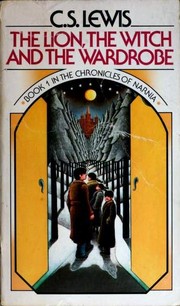
The Lion, the Witch and the Wardrobe
C. S. Lewis
Another Narnia portal story full of wonder, myth, and moral clarity.
Pick this if you want the most direct follow-up — another child-centered portal into Narnia that shares characters, creation motifs and Lewis’s moral framing.
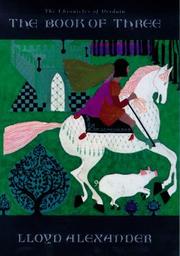
The Book of Three
Lloyd Alexander
Quest-driven, mythic Welsh-inspired fantasy with noble coming-of-age themes.
Pick this if you liked the novel’s coming-of-age under a mythic roof and want a quest-driven, folkloric apprenticeship with clear moral tests.

The Dark Is Rising
Susan Cooper
British folkloric epic with a young protagonist confronting ancient powers.
Pick this if you were drawn to Lewis’s use of British mythic undercurrents and a young protagonist confronting ancient powers — expect a grimmer, more landscape-rooted urgency.

The Neverending Story
Michael Ende
A metafictional quest into a dying fantasy world about imagination's power.
Pick this if you responded to the idea that stories and imagination themselves are at stake. This pick treats a fantasy world’s peril as a meditation on creative power and loss.
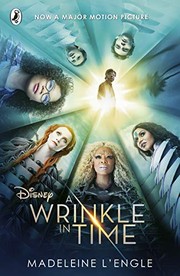
A Wrinkle in Time
Madeleine L'Engle
Family-centered adventure combining science, fantasy, and moral courage.
Pick this if you liked Lewis’s combination of family dynamics, moral courage, and a speculative premise; this shares familial focus plus a mix of science and fantasy rather than pure myth.

The Phantom Tollbooth
Norton Juster
Whimsical, allegorical journey through fantastic lands and moral puzzles.
Pick this if you enjoyed Lewis’s use of allegory and inventive logic puzzles in miniature landscapes. Note: this is more overtly wordplay-driven and whimsical than Lewis’s theological register.
Alice's Adventures in Wonderland
Lewis Carroll
Surreal, imaginative portal into a peculiar world of logic and wonder.
Pick this if it was the sheer oddness of entering another world and watching its rules reshape common sense that appealed to you — expect more nonsense logic and linguistic games than doctrinal symbolism.
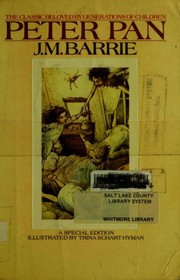
Peter Pan
J. M. Barrie
Timeless portal to a magical childhood realm mixing wonder and bittersweet themes.
Pick this if it was the bittersweet, nostalgic side of Lewis’s child-centered magic you loved. This is a gentler, more melancholic portal fantasy about the costs of never growing up.
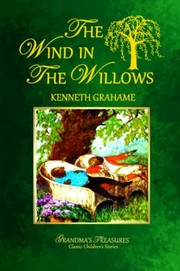
The Wind in the Willows
Kenneth Grahame
Gentle, pastoral tales with mythic undertones and cozy, moral storytelling.
Pick this if you wanted the cozy, lyrical moral fables embedded inside Lewis’s prose. This is quieter and more pastoral — tone-aligned with the gentler moments of Narnia rather than its origin-myth drama.
At a glance
These picks were chosen for how they echo The Magician's Nephew’s portal mechanics, origin-orientated mythmaking, or its mix of child-centered viewpoint and moral allegory — some match on tone, others on structure or themes.
| Book | First published | Pages | Closest match on | Match |
|---|---|---|---|---|
The Lion, the Witch and the Wardrobe C. S. Lewis | 1950 | 186 | Portal & origin myth | 94% |
The Book of Three Lloyd Alexander | 1964 | 217 | Questing coming-of-age | 82% |
The Dark Is Rising Susan Cooper | 1972 | 256 | British folkloric resistance | 81% |
The Neverending Story Michael Ende | 1983 | — | Metafictional, imagination-focused quest | 80% |
A Wrinkle in Time Madeleine L'Engle | 1962 | 212 | Family-centered cosmic stakes | 79% |
The Phantom Tollbooth Norton Juster | 1961 | 255 | Allegorical, playful journey | 78% |
Alice's Adventures in Wonderland Lewis Carroll | 1865 | 133 | Surreal portal logic | 76% |
Peter Pan J. M. Barrie | 1911 | 183 | Childhood wonder & bittersweetness | 74% |
The Wind in the Willows Kenneth Grahame | 1908 | 192 | Pastoral, moral storytelling | 70% |
About The Magician's Nephew
Published in 1955, The Magician's Nephew is the sixth book Lewis wrote in The Chronicles of Narnia but is first in the series’ internal chronology. Lewis conceived it to explain the origins of Narnia, the wardrobe, and the recurring motifs that appear across the earlier-published volumes.
Frequently asked questions
Should I read The Magician's Nephew first or The Lion, the Witch and the Wardrobe?+
Lewis published The Magician's Nephew after several Narnia books; many readers prefer publication order because The Lion, the Witch and the Wardrobe introduces Narnia as Lewis first presented it. If you want the chronological origin, start with The Magician's Nephew; if you want to experience the series as original readers did, begin with The Lion, the Witch and the Wardrobe.
How overtly religious is The Magician's Nephew?+
The book contains explicit Christian symbolism — Aslan’s creative act, notions of temptation and redemption, and moral lessons delivered plainly. If you liked that moral clarity here, The Lion, the Witch and the Wardrobe and other Chronicles by Lewis continue in similarly didactic veins.
What ages is The Magician's Nephew appropriate for?+
Its language is accessible to middle-grade readers, but the moral and theological questions resonate with adults as well. Many families read it aloud to ages 8 and up, with older readers catching the allegorical layers.
Which other C. S. Lewis works explore similar themes?+
Several Chronicles revisit the same symbols and moral questions; The Lion, the Witch and the Wardrobe is the closest echo in tone and theme, while other books in the series expand the world and its moral dilemmas.
If I liked the origin-myth aspect, which recommendation should I pick next?+
For another tale that turns a child's discovery into a larger mythic quest, The Lion, the Witch and the Wardrobe is the nearest match; the other picks offer related qualities (quest structure, allegory, portal logic) depending on whether you want whimsy, heroic questing, or metafictional reflection.
More books by C.S. Lewis
Want recommendations based on your own favorites?
BookTwin can match you to books by mood, pacing, themes, and emotional payoff — based on 1 to 5 books you tell it you loved.
Try BookTwin