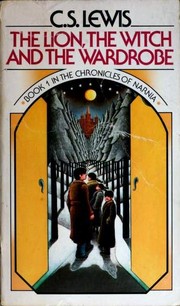
Books Like The Lion, the Witch and the Wardrobe
by C.S. Lewis
The Lion, the Witch and the Wardrobe hinges on a few clear, defining mechanics: a portal from an ordinary English house into a distinct secondary world; child protagonists who shift from play to moral responsibility; and a moral framework that blends myth, prophecy and sacrificial rescue. Lewis arranges episodes like fables — talking beasts, treacherous rulers, and a seasonal curse — around a central narrative axis: return Narnia to rightful rule, and let the children grow through their trials.
Readers who loved Narnia usually mean one of three things. Some want the mythic quest — clear good vs. evil set-pieces, prophecies and a decisive climactic battle. Others are after the portal experience: that sudden, unmistakable crossing from the wardrobe’s ordinary textures into a place with new rules. And many respond to Lewis’s child-centered moral teaching — the sense that ordinary children can become kings, queens and agents of redemption. The nine books below are chosen and ordered by which of those specific pleasures they most closely echo, with notes on tone and where a pick diverges from Lewis’s approach.
Recommended for fans of The Lion, the Witch and the Wardrobe
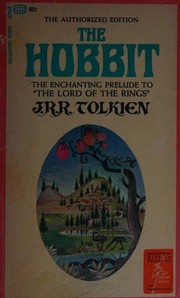
The Hobbit
J.R.R. Tolkien
A child-protagonist quest in a richly imagined, mythic fantasy world.
Pick this if you wanted the clearest analogue to Lewis’s portal-led hero journey. The Hobbit offers a single protagonist pulled from an ordinary life into a mythic adventure, matching Narnia’s sense of an ordinary world opening onto larger destiny.
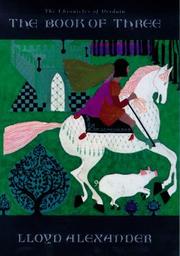
The Book of Three
Lloyd Alexander
Young-hero quest with mythic tone and clear moral stakes like Narnia.
Pick this if you wanted another explicitly mythic quest with young heroes and clear moral stakes. The Book of Three most closely mirrors Narnia’s structure of prophecy, apprenticeship and decisive conflict.
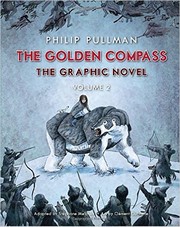
The Golden Compass
Philip Pullman
Children facing epic, otherworldly adventures with moral and spiritual depth.
Pick this if you appreciated Narnia’s engagement with weighty moral questions but want a darker, more philosophically probing take. The Golden Compass keeps children at the centre while complicating the spiritual and ethical terrain.
Alice's Adventures in Wonderland
Lewis Carroll
Whimsical, imaginative portal into a surreal world full of strange encounters.
Pick this if you loved the suddenness of entering another world and the whimsical, rule-bending encounters that follow. Alice's Adventures in Wonderland is a purer example of a child stepping into a world with its own absurd logic.
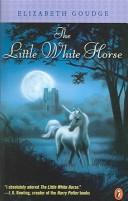
The Little White Horse
Elizabeth Goudge
Gently magical English countryside, orphan heroine, and moral warmth.
Pick this if you wanted pastoral, morally warm fantasy with an orphaned protagonist. The Little White Horse supplies that exact English-countryside charm and moral reassurance, without Narnia’s epic war climax.
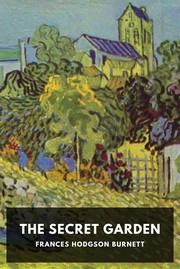
The Secret Garden
Frances Hodgson Burnett
Children discovering a hidden, transformative magical place and emotional healing.
Pick this if it was the transformational, restorative magic you liked. The Secret Garden shares the theme of children discovering a concealed, life-changing place and growing emotionally — but it lacks talking beasts and epic battle.
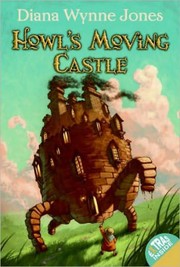
Howl's Moving Castle
Diana Wynne Jones
Charming, inventive fantasy with young protagonist and whimsical, moral adventures.
Pick this if you enjoyed the blend of whimsical invention and young protagonists who grow through moral choices. Howl's Moving Castle shares Narnia’s charm and moral heart, but its narrative is more modernly playful and less allegorical.

Peter Pan
J.M. Barrie
Children transported to a magical realm where adventure and innocence collide.
Pick this if you’re drawn to children transported to a realm where play and peril mix. Peter Pan echoes Narnia’s childhood freedom and perilous adventure, though its tone is more consistently playful and less mythic.

The Phantom Tollbooth
Norton Juster
Playful allegorical journey through strange lands and lessons galore.
Pick this if you liked Lewis’s use of allegory delivered through whimsical episodes. The Phantom Tollbooth matches the allegorical, lesson-driven journey tone, though its satire and wordplay are more overt than Lewis’s parable-like voice.
At a glance
Matches focus on three dimensions: portal-to-other-world mechanics, child-centered mythic quest structure, and moral/ethical allegory. Each recommended book is scored by how many of those dimensions it shares with Lewis rather than by simple genre label.
| Book | First published | Pages | Closest match on | Match |
|---|---|---|---|---|
The Hobbit J.R.R. Tolkien | 1937 | 310 | Child portal quest | 92% |
The Book of Three Lloyd Alexander | 1964 | 217 | Mythic young-hero quest | 85% |
The Golden Compass Philip Pullman | 2016 | 80 | Children & moral complexity | 81% |
Alice's Adventures in Wonderland Lewis Carroll | 1865 | 133 | Surreal portal logic | 80% |
The Little White Horse Elizabeth Goudge | 1920 | 272 | Gentle English magic | 79% |
The Secret Garden Frances Hodgson Burnett | 1911 | 256 | Hidden healing place | 78% |
Howl's Moving Castle Diana Wynne Jones | 1986 | 304 | Inventive, characterful fantasy | 77% |
Peter Pan J.M. Barrie | 2006 | 96 | Childhood adventure & flight | 76% |
The Phantom Tollbooth Norton Juster | 1961 | 255 | Playful moral allegory | 74% |
About The Lion, the Witch and the Wardrobe
Published in 1950, The Lion, the Witch and the Wardrobe is the first-published book in C. S. Lewis’s Chronicles of Narnia. Lewis drew on fairy tale, Christian symbolism and British boarding-school tropes; the novel has been translated widely and adapted for stage, radio, film and television.
Frequently asked questions
Which book is the closest to Narnia for the portal element?+
Alice's Adventures in Wonderland and The Hobbit both capture a clear crossing into an otherworldly place, but Alice is the purest portal fantasy — a child lapses into a world with its own absurd logic, while The Hobbit relocates an ordinary protagonist into an epic quest.
Which of these is best if I loved Narnia's moral and mythic themes?+
The Book of Three shares Narnia’s mythic tone and explicit moral stakes for young heroes, while The Golden Compass tackles moral complexity and spiritual questions in a darker register.
Are there gentler alternatives with English-countryside magic?+
The Little White Horse offers a quieter, pastoral fantasy with an orphan heroine and warm moral tone that aligns with Lewis’s gentler passages, without Narnia’s wartime framing or overt Christian symbolism.
Which books match Narnia’s child-protagonist adventure and wonder?+
Peter Pan, The Hobbit and Howl's Moving Castle each center children or young protagonists who encounter whimsical, rule-shifting realms and grow through adventure; their balance of wonder and peril varies from playful to more complex.
Which is the loosest match on this list?+
The Secret Garden is the loosest fit: it shares the motif of discovery and emotional restoration through a hidden place, but lacks talking animals, explicit mythic quests or a literal portal.
More books by C.S. Lewis
Want recommendations based on your own favorites?
BookTwin can match you to books by mood, pacing, themes, and emotional payoff — based on 1 to 5 books you tell it you loved.
Try BookTwin