
Books Like The Life of Chuck
by Stephen King
The Life of Chuck is built around two structural gambits that shape everything else: a nonlinear reckoning with a single man's life and an elegiac, speculative framing that gradually reframes ordinary memories as cosmic significance. King splits the novel between a moving, late-life testament and a surreal upstream origin story; together they read like a moral inventory told in fragments, delivered with his characteristic plainspoken voice and sudden, uncanny jolts. Readers who loved this book will have been caught by one of several precise things: the quiet, intimate focus on aging and regret; the linked-vignette, almost short-story cadence; or the way a speculative conceit quietly reorders what otherwise looks like a lifetime of small decisions.
The picks below are chosen to reflect those different appeals — rigorous meditations on mortality, interlinked or fragmentary structures, and novels that use a slight strain of the uncanny to make everyday memory feel larger. Each entry notes which of those elements it shares with King’s book so you can pick by the exact quality you want more of.
Recommended for fans of The Life of Chuck
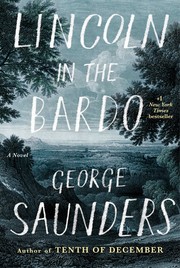
Lincoln in the Bardo
George Saunders
Experimental, elegiac meditation on death with many voices and uncanny tenderness.
Pick this if you want an experimental, multi-voiced meditation where fragments and many viewpoints assemble into an overall elegy — Lincoln in the Bardo mirrors King’s formal daring and tenderness closely.
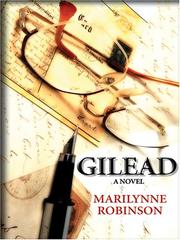
Gilead
Marilynne Robinson
Quiet, reflective late-life letter about memory, faith, and mortality.
Pick this if you were drawn to The Life of Chuck’s contemplative, confessional register about memory, faith and mortality — Gilead offers that same slow, pastoral intimacy.
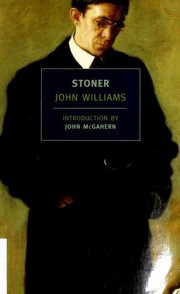
Stoner
John Williams
A restrained, profoundly elegiac portrait of an ordinary life and quiet losses.
Pick this if it was the austere, inward-looking life story and small domestic losses that moved you. Stoner delivers a spare, quietly devastating account of an ordinary life.
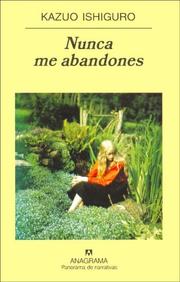
Never Let Me Go
Kazuo Ishiguro
Melancholic, understated speculative premise probing memory, fate, and mortality.
Pick this if you liked how a subtle speculative premise made ordinary choices feel fateful. Never Let Me Go does that in a more sustained, quietly heartbreaking way.
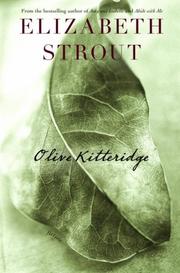
Olive Kitteridge
Elizabeth Strout
Linked stories of small-town lives, grief, and wry compassion.
Pick this if you wanted linked vignettes about ordinary people that mix wryness and grief. Olive Kitteridge shares the small-town sweep and the moral attentiveness, though it centers different relationships.
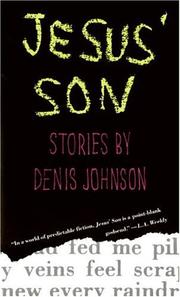
Jesus' Son
Denis Johnson
Fragmented, lyrical vignettes balancing dark humor and emotional intensity.
Pick this if you appreciated the terse, image-driven fragments and dark humor in King’s scenes. Jesus' Son is a looser, more hallucinatory collection but matches that vignette energy.
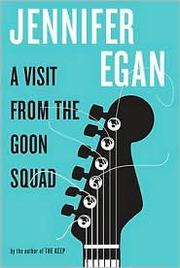
A Visit from the Goon Squad
Jennifer Egan
Nonlinear, interlinked stories exploring time, memory, and the cost of living.
Pick this if the way King stitches moments across decades appealed to you. A Visit from the Goon Squad shares the nonlinear, interlinked approach to time and consequence.

The Things They Carried
Tim O'Brien
Genre-blurring vignettes about memory, storytelling, and emotional residue of lives.
Pick this if you want genre-blurring vignettes where memory and invention sit side by side. The Things They Carried blends reportage, fiction and emotional residue in a way that echoes King’s blending of modes.
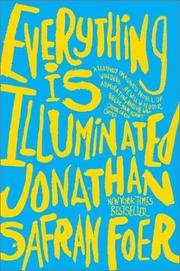
Everything Is Illuminated
Jonathan Safran Foer
Darkly comic, lyrical quest balancing memory, loss, and oddball warmth.
Pick this if you liked the dark humor and lyrical, oddball warmth balancing grief. Everything Is Illuminated offers that blend — it’s a looser tonal cousin but shares the mix of comedy and mourning.
At a glance
These matches focus on three axes present in The Life of Chuck: elegiac focus on mortality and memory, a fragmentary or linked-story structure, and a subtle speculative or uncanny premise. Percentages reflect how many of those axes a recommendation shares, not overall tone or genre.
| Book | First published | Pages | Closest match on | Match |
|---|---|---|---|---|
Lincoln in the Bardo George Saunders | 2017 | 426 | Polyphonic elegy | 95% |
Gilead Marilynne Robinson | 2004 | 257 | Quiet late‑life reflection | 90% |
Stoner John Williams | 1965 | 293 | Restrained, intimate portrait | 88% |
Never Let Me Go Kazuo Ishiguro | 2005 | 288 | Speculative melancholy | 86% |
Olive Kitteridge Elizabeth Strout | 2007 | 288 | Linked small-town stories | 84% |
Jesus' Son Denis Johnson | 1992 | 160 | Lyrical, fragmented vignettes | 82% |
A Visit from the Goon Squad Jennifer Egan | 2010 | 359 | Nonlinear, time-shifting pieces | 80% |
The Things They Carried Tim O'Brien | 1990 | 256 | Stories that blur truth | 78% |
Everything Is Illuminated Jonathan Safran Foer | 2002 | 288 | Dark comedic melancholy | 76% |
About The Life of Chuck
Published in 2022, The Life of Chuck is a late-career novel by Stephen King that compresses a man's life into a two-part structure: personal remembrances and a speculative origin myth. Critics highlighted its elegiac tone and formal experiments; King himself described it as a book about the moral cost of living.
Frequently asked questions
Is The Life of Chuck a horror novel?+
Not in the traditional sense. While Stephen King uses uncanny and speculative elements, The Life of Chuck reads primarily as an elegy and character study rather than a book built around fear or monsters.
Which book here is most like The Life of Chuck structurally?+
Lincoln in the Bardo is the closest structural cousin: it assembles many voices and fragments into a single elegiac meditation, which mirrors King’s interwoven approach.
I loved the meditative parts—what should I read next?+
Gilead and Stoner both offer quiet, late-life reflections on memory, faith and loss; choose Gilead for a devotional voice and Stoner for an austere, deeply private portrait.
Are there books on this list that use speculative elements the way King does?+
Yes. Never Let Me Go and Lincoln in the Bardo incorporate speculative premises to illuminate ordinary lives, much like The Life of Chuck does, though their moods and stakes differ.
Which recommendation is most fragmented or vignette-driven?+
A Visit from the Goon Squad and Jesus' Son both use short, connected pieces to build a larger portrait of time and consequence, echoing The Life of Chuck’s episodic feel.
More books by Stephen King
See all 81 Stephen King guides →Want recommendations based on your own favorites?
BookTwin can match you to books by mood, pacing, themes, and emotional payoff — based on 1 to 5 books you tell it you loved.
Try BookTwin