
Books Like The Girl Who Loved Tom Gordon
by Stephen King
The Girl Who Loved Tom Gordon is a tightly wound psychological survival tale centered on a single, vulnerable protagonist lost in the Maine woods. Trisha McFarland’s days blur into an unbroken interior monologue: fear, small-scale problem-solving (water, route, blisters), and a recurring fantasy of relief in the form of her baseball idol, Tom Gordon. King keeps the action minimal but the tension maximal by compressing danger into sensory detail — rocks, insects, the hiss of a stream — and by letting a child’s imagination become both solace and threat.
If you loved King’s novel, ask yourself what gripped you most: the stripped-down survival logistics, the interior voice of a young narrator, the way isolation warps reality, or the creeping, ambiguous menace that may be real or may be fear made solid. The nine books below were chosen to reflect those different hooks — some match the survival mechanics, some the child’s perspective, some the sensory dread — and each note explains which element it shares and where it diverges.
Recommended for fans of The Girl Who Loved Tom Gordon

Hatchet
Gary Paulsen
Single young protagonist surviving alone in the wilderness, intense internal monologue.
Pick this if you wanted the granular, day-by-day survival details and an intense internal monologue from a single young protagonist.

Into the Forest
Jean Hegland
Two sisters isolated in nature, introspective survival and shifting psychology.
Pick this if you liked the prolonged psychological adjustments to isolation but want a two-person dynamic rather than a lone child.
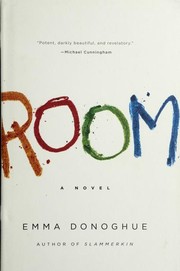
Room
Emma Donoghue
Child's constrained perspective and intense psychological tension from confinement.
Pick this if the child’s limited perspective and the claustrophobic intensity were what gripped you — this one keeps the story almost entirely inside a young narrator’s head.
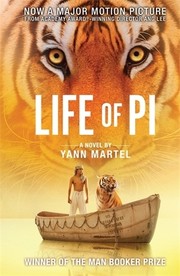
Life of Pi
Yann Martel
Survival alone with a companion, spiritual introspection and unreliable storytelling.
Pick this if you appreciated the spiritual questioning and storytelling element that can accompany solitude — note this has a more allegorical, philosophical bent than King’s tighter dread.
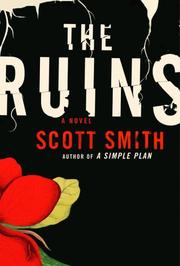
The Ruins
Scott Smith
Group trapped in hostile natural setting, escalating dread and visceral horror.
Pick this if you want the sense of a beautiful landscape turning actively hostile; this is more violent and group-centered, so it’s a closer fit on dread than on solitary child POV.
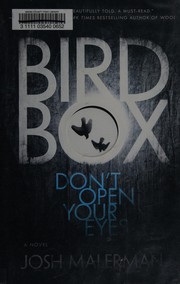
Bird Box
Josh Malerman
Single caregiver navigating unseen threat, tense sensory deprivation and survival focus.
Pick this if you responded to King’s use of limited senses and mounting paranoia. It’s similar in focus on navigating danger by nonvisual means and protecting a dependent figure.
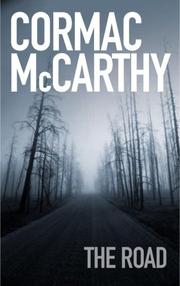
The Road
Cormac McCarthy
Bleak father-child survival journey, spare prose and relentless emotional intensity.
Pick this if you were moved by relentless emotional intensity and stripped-back prose; this is bleaker and more mournful, with an adult parent–child dynamic instead of a lost child alone.

Where the Crawdads Sing
Delia Owens
Solitary girl raised in marshland, nature-bound coming-of-age and atmospheric isolation.
Pick this if you loved the mash of natural environment and a young woman’s inner life. This is more literary and expansive in time and setting than King’s compressed, immediate ordeal.
Deliverance
James Dickey
Wilderness trip turns violent and primal; intense survival and loss of innocence.
Pick this if you want raw, violent wilderness confrontation and the loss-of-innocence thread. It’s grimmer and more physically brutal than King’s psychological microcosm.
At a glance
Matches were chosen for three core dimensions of King’s book: solitary survival mechanics, a child’s constrained point of view, and the novel’s blend of psychological ambiguity with tangible natural threats. Each recommendation highlights which of those dimensions it shares most closely.
| Book | First published | Pages | Closest match on | Match |
|---|---|---|---|---|
Hatchet Gary Paulsen | 1986 | 192 | Solo child survival | 92% |
Into the Forest Jean Hegland | 1996 | 249 | Isolated sibling survival | 88% |
Room Emma Donoghue | 2010 | 370 | Child's constrained POV | 85% |
Life of Pi Yann Martel | 2000 | 349 | Survival with introspection | 84% |
The Ruins Scott Smith | 2005 | 336 | Escalating natural horror | 82% |
Bird Box Josh Malerman | 2001 | 36 | Unseen, sensory threat | 80% |
The Road Cormac McCarthy | 2006 | 256 | Bleak survival intensity | 79% |
Where the Crawdads Sing Delia Owens | 2018 | 416 | Nature-bound coming-of-age | 77% |
Deliverance James Dickey | 1970 | 236 | Primal wilderness danger | 74% |
About The Girl Who Loved Tom Gordon
Published in 1999, The Girl Who Loved Tom Gordon is a novella-length psychological horror/survival story by Stephen King. It centers on nine-year-old Trisha McFarland getting lost on a family hike in Maine and her sustained inner narrative, including an imagined relationship with baseball pitcher Tom Gordon.
Frequently asked questions
What other Stephen King books feel like The Girl Who Loved Tom Gordon?+
If you want other King works that isolate characters and focus on psychological endurance, consider Misery for claustrophobic obsession or The Stand for long-term survival under apocalyptic pressure; both emphasize how extreme circumstances alter a protagonist’s inner life.
Is The Girl Who Loved Tom Gordon more horror or survival story?+
It sits between both: the plot is a classic survival scenario (lost child, basic needs, navigation), but King layers persistent psychological unease and possible supernatural reading, so readers who liked the slow-burn dread should look for the same tone in the picks below.
Which book on this list is nonfiction or closely based on real events?+
None of the listed recommendations are nonfiction; they are all novels (or, in their cases, fiction) chosen for psychological or survival resonance with King’s book.
Which pick is best if I want a child narrator?+
Room features a constrained child’s perspective and intense psychological tension, making it the closest match for readers seeking a child-centered interior voice.
More books by Stephen King
See all 81 Stephen King guides →Want recommendations based on your own favorites?
BookTwin can match you to books by mood, pacing, themes, and emotional payoff — based on 1 to 5 books you tell it you loved.
Try BookTwin