
Books Like The Correspondent
by Virginia Evans
The Correspondent unfolds as a quiet excavation of family history: a narrator piecing together fragments of the past, discovering long-buried secrets, and confronting how memory reshapes identity. Its engine is ambiguity rather than action — slow, accumulative revelations, a domestic setting that feels claustrophobic, and prose that privileges introspection and atmospheric detail over plot mechanics. Readers who respond strongly to Virginia Evans’s book usually do so for one of three reasons: the way it dramatizes unreliable or partial memory; the tense, repressed domestic spaces where loyalties and resentments shift; or the novel’s spare, elegiac voice that makes small discoveries feel seismic.
The recommendations below are organized around those attractions. Some picks are close tonal cousins (quiet, uncanny family dramas); others share structural features — short, reflective chapters or mystery-without-crime — and a few are looser matches where mood or theme echoes Evans more than specific plot elements. Each note explains the precise overlap so you can choose by what you most loved: the voice, the mystery, or the study of memory and regret.
Recommended for fans of The Correspondent
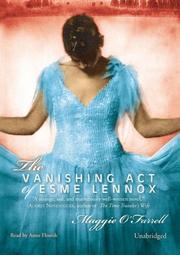
The Vanishing Act of Esme Lennox
Maggie O'Farrell
A restrained, uncanny family secret drama with a delicate, introspective voice.
Pick this if you wanted another novel that unfurls a family secret through a calm, uncanny, introspective voice — this is the closest match on tone and emotional pacing.
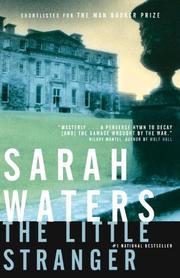
The Little Stranger
Sarah Waters
Slow-building atmospheric suspense in an English house with class tensions and ambiguity.
Pick this if it was the mounting, class‑tinged atmosphere of a single house and the ambiguity about what’s really happening that gripped you; expect more Gothic undercurrent here.
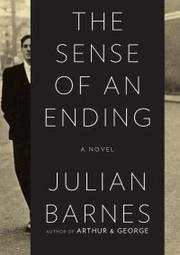
The Sense of an Ending
Julian Barnes
A concise, meditative exploration of memory, regret, and unreliable recollection.
Pick this if you were most moved by the novel’s meditation on memory, remorse and how recollection can be self-deceptive — this is a concise, philosophical cousin.
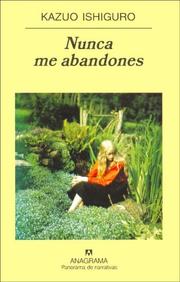
Never Let Me Go
Kazuo Ishiguro
Melancholic, quietly unnerving revelations about memory, identity, and hidden pasts.
Pick this if you responded to the book’s subdued, unsettling uncovering of identity and hidden pasts — this one shares that melancholic restraint and slow reveal.
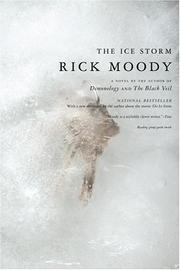
The Ice Storm
Rick Moody
Melancholic domestic unraveling and moral ambiguity in a tight, elegiac prose style.
Pick this if you appreciated the elegiac, tightly observed domestic scenes and moral ambiguity; this one broadens the social canvas but keeps the same cool, melancholic register.
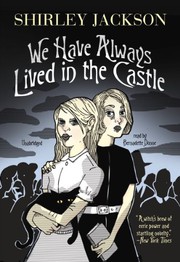
We Have Always Lived in the Castle
Shirley Jackson
Atmospheric domestic mystery with unreliable narrators and repressed family secrets.
Pick this if you loved repressive domestic spaces and narrators whose perceptions you can’t fully trust; this is highly atmospheric and leans more explicitly into domestic exile and paranoia.
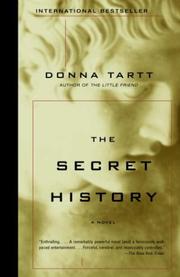
The Secret History
Donna Tartt
An immersive, slow-burn campus mystery driven by character, atmosphere, and moral consequences.
Pick this if you liked atmospheric build and character-driven moral consequence; note that this is a longer, more immersive plot with a group dynamic rather than a quiet family portrait.

The Little Friend
Donna Tartt
Southern gothic mystery with an adolescent narrator, family trauma, and lingering unease.
Pick this if you wanted lingering, Southern‑gothic unease and an adolescent perspective on family trauma; it’s mood-matched though different in setting and narrative scope.
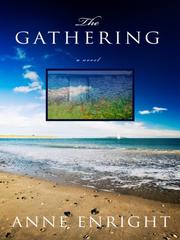
The Gathering
Anne Enright
A tense family drama that slowly uncovers trauma and shifting loyalties.
Pick this if you appreciated slow unpeeling of family trauma and shifting loyalties; this delivers that kind of claustrophobic, consequence‑laden family portrait, though with a more volcanic emotional register at its climax.
At a glance
Matches were chosen for three specific dimensions that define The Correspondent: narrative voice (quiet, reflective, sometimes unreliable), domestic or intimate settings where tensions accrue, and an emphasis on memory/retrospective revelation rather than procedural plot. Percentages indicate how many of those dimensions each title shares.
| Book | First published | Pages | Closest match on | Match |
|---|---|---|---|---|
The Vanishing Act of Esme Lennox Maggie O'Farrell | 2006 | 256 | Restrained family mystery | 92% |
The Little Stranger Sarah Waters | 2009 | 512 | Slow-burn domestic suspense | 88% |
The Sense of an Ending Julian Barnes | 2011 | 154 | Memory & unreliable narrator | 87% |
Never Let Me Go Kazuo Ishiguro | 2005 | 288 | Quietly unnerving revelations | 86% |
The Ice Storm Rick Moody | 1994 | 279 | Melancholic domestic unraveling | 83% |
We Have Always Lived in the Castle Shirley Jackson | 1962 | 187 | Unreliable domestic narrator | 82% |
The Secret History Donna Tartt | 1992 | 608 | Slow-burn psychological tension | 80% |
The Little Friend Donna Tartt | 2000 | 616 | Gothic-tinged unease | 78% |
The Gathering Anne Enright | 2007 | 260 | Tense family drama | 78% |
About The Correspondent
The Correspondent is a contemporary novel by Virginia Evans that centers on family secrets, memory and the aftermath of long-suppressed events. It has been discussed for its restrained, introspective narration and its slow-unfolding revelations about the past.
Frequently asked questions
Which book on this list is the most similar in tone to The Correspondent?+
The Vanishing Act of Esme Lennox is the closest tonal match: both use a restrained, uncanny voice to unspool family secrets with an intimate, interrogative patience.
Which pick is best if I loved the memory-and-regret theme?+
Julian Barnes’s The Sense of an Ending aligns most directly on questions of memory, remorse and unreliable recollection; it’s concise and meditative in the same register as Evans’s novel.
Which recommendation is the loosest fit?+
The Secret History is the loosest structural fit in terms of setting: it shares slow-burn psychological intensity and moral consequence but trades domestic retrospection for an immersive campus thriller.
Are any of these books more overtly supernatural or Gothic?+
Some titles here lean into Gothic ambiguity and atmospheric unease (for example, The Little Stranger and We Have Always Lived in the Castle), but The Correspondent itself remains grounded in psychological ambiguity rather than explicit supernatural plot.
Want recommendations based on your own favorites?
BookTwin can match you to books by mood, pacing, themes, and emotional payoff — based on 1 to 5 books you tell it you loved.
Try BookTwin