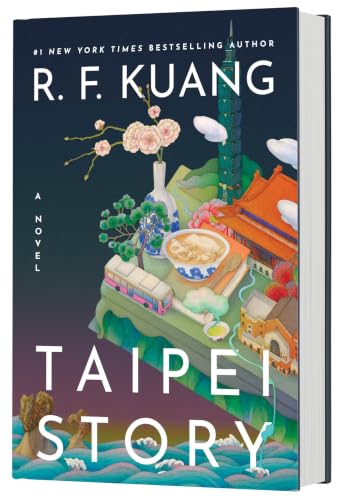
Books Like Taipei Story
by R.F. Kuang
Taipei Story is built around one clear structural and tonal choice: an intimate, present-tense account of a college freshman learning language and self in a compressed, high-stakes summer. Lily Chen’s days are mapped by classes, flashcards and small humiliations — a fraught roommate dynamic, a tentative romance, the slow unspooling of grief for her grandfather — and R.F. Kuang keeps the sentences lean, wry and alert to the weirdness of trying to perform identity in an unfamiliar register of words and gestures.
Readers who loved Taipei Story are likely to have been propelled by one of three things: the language-as-plot engine (learning Mandarin as a way to test belonging), the deadpan, observational voice that converts private embarrassment into humor, or the precise, often painful depiction of diaspora grief and filial expectation. The picks below are organized to help you pick by which element mattered most — linguistic obsession, minimalist relationship drama, migrant interiority, or hybrid-essay moments about identity and loss.
Recommended for fans of Taipei Story
The Idiot
Elif Batuman
Deadpan, language-focused college coming-of-age with awkward romance and cultural distance.
Pick this if you loved the way Taipei Story turns language-learning into a plot engine and want a novel that treats grammar and translation as existential problems.
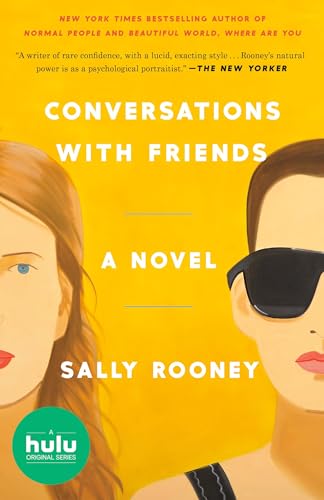
Conversations with Friends
Sally Rooney
Minimalist, intimate voice about complicated relationships and the sting of self-awareness.
Pick this if it was Kuang’s spare, observational approach to awkward relationships and self-consciousness that hooked you — this shares that same interior, close third/first-person economy.

Chemistry
Weike Wang
A wry, deadpan Chinese-American narrator unravelling under academic pressure and family expectation.
Pick this if you want a short, wry narrator unraveling under family and academic expectations in prose that skews comic even while it’s precise and bleak.
The Topeka School
Ben Lerner
Linguistic self-consciousness and psychological interiority in a sharply observant coming-of-age narrative.
Pick this if you’re drawn to novels that make language and psychology metatextual subjects; this matches Taipei Story’s interest in speech, performance and the narrator’s mind, though it leans more experimental.
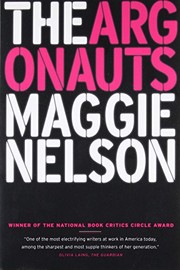
The Argonauts
Maggie Nelson
Hybrid memoir-musing on language, identity, love and grief with lyrical emotional clarity.
Pick this if you want lyric, essayistic meditations on gender, language and grief alongside memoir—this matches Taipei Story’s reflective passages more than its college-comedy beats.
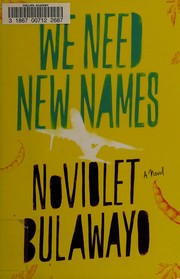
We Need New Names
NoViolet Bulawayo
Brooklyn-to-home culture shock, young narrator voice, and lucid, bittersweet humor about displacement.
Pick this if you wanted more coming-of-age rendered through the lens of migration and cultural dislocation; this gives a vivid young-voice perspective on homesickness and adaptation, though its setting and register differ.

How to Pronounce Knife
Souvankham Thammavongsa
Readable, language-and-identity themed YA with immigrant family dynamics and cultural detail.
Pick this if you’d like a clear, emotionally intelligent book about immigrant family dynamics and the language of belonging; this is one of the looser fits but shares thematic DNA.

The Year of the Runaways
Sunjeev Sahota
Quietly empathetic look at migrants navigating belonging, work and grief in a new city.
Pick this if you were most moved by Taipei Story’s attention to the immigrant experience and slow grief — pick this for a patient, working-class investigation of belonging in a new city.

Minor Detail
Adania Shibli
Spare prose and haunting meditation on history, grief, and what remains unspoken.
Pick this if it was the novel’s spare handling of loss and the unsaid that mattered most; this is the loosest fit here but will appeal if you appreciated Kuang’s restraint and haunting silences.
At a glance
These matches were chosen for how they echo Taipei Story’s primary axes: language and learning as narrative motor, a deadpan/observational coming-of-age voice, and the navigation of diaspora grief and imperfect belonging. Percentages indicate which axes each pick shares most strongly.
| Book | First published | Pages | Closest match on | Match |
|---|---|---|---|---|
The Idiot Elif Batuman | 1969 | 432 | Language‑obsessed coming‑of‑age | 94% |
Conversations with Friends Sally Rooney | 2017 | 321 | Minimalist intimate voice | 90% |
Chemistry Weike Wang | 2017 | 224 | Deadpan academic pressure | 76% |
The Topeka School Ben Lerner | 2019 | 304 | Linguistic self‑consciousness | 70% |
The Argonauts Maggie Nelson | 2015 | 160 | Hybrid memoir on identity | 66% |
We Need New Names NoViolet Bulawayo | 2013 | 301 | Diaspora & displacement voice | 64% |
How to Pronounce Knife Souvankham Thammavongsa | 2019 | 192 | Readable language & identity | 60% |
The Year of the Runaways Sunjeev Sahota | 2015 | 496 | Quiet migrant empathy | 58% |
Minor Detail Adania Shibli | 2017 | 136 | Spare prose about grief | 52% |
About Taipei Story
Published 8 September 2026 by William Morrow, Taipei Story is R.F. Kuang’s first deliberate departure from the fantasy series she is known for. The novel follows college freshman Lily Chen through an intensive summer Mandarin program at National Taiwan University, and combines wry humor with scenes of culture shock and familial grief.
Frequently asked questions
Which book best matches Taipei Story’s focus on language-learning as plot?+
The Idiot is the closest match: it foregrounds language, translation and the dislocations of studying at university in a similarly deadpan voice.
I liked Kuang’s voice here. Where else do I hear that tone?+
Look to Conversations with Friends for the minimalist, intimate narration about complicated relationships and self-awareness; The Idiot is even closer on the language side.
Are there recommendations that explore diaspora and grief like Taipei Story?+
Yes. The Argonauts offers a hybrid, lyrical reckoning with identity, love and loss; We Need New Names and The Year of the Runaways approach displacement and belonging from different generational and geographic angles.
Which picks are the funniest or most deadpan?+
The Idiot and Chemistry lean hardest into dry, wry humor about academic pressure and social awkwardness; Conversations with Friends carries a quieter irony.
Are any of these YA or explicitly young-adult in approach?+
How to Pronounce Knife reads with the clarity and immediacy that often appeals to YA readers, though Taipei Story itself is contemporary literary fiction for adult audiences.
More books by R.F. Kuang
Want recommendations based on your own favorites?
BookTwin can match you to books by mood, pacing, themes, and emotional payoff — based on 1 to 5 books you tell it you loved.
Try BookTwin