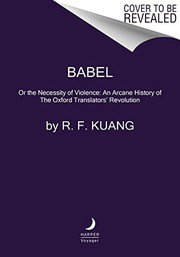
Books Like Babel
by R.F. Kuang
Babel funnels scholarly life, linguistic theory and imperial violence into a tight, morally restless novel where words are literally weaponized. R.F. Kuang stages an alternate-history Oxford where translation apprentices learn to channel power through languages, and where the institution that trains them is financially entangled with colonial extraction. The book is both a campus novel — with lectures, libraries and rivalries — and a political reckoning: ethics of scholarship, the commodification of language, and the personal cost of intellectual complicity sit at the center.
Readers come to Babel for different reasons. Some will have loved the way Kuang makes translation feel like a craft with technical rules and tangible consequences; others will have been drawn to the novel’s insistently anti-imperial politics and the way that historical exploitation refracts through intimate choices. Still others will have been taken by Kuang’s blend of genre — academic realism braided with speculative magic — or by the sharp, often sardonic narration that refuses easy sympathy. The picks below point to those distinct pleasures: books that echo Babel’s politics, its linguistic obsessions, its academic setting, or its genre-bending moral intensity.
Recommended for fans of Babel
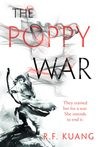
The Poppy War
R.F. Kuang
Brutal historical-fantasy with colonialism, language of power, and moral cost of violence.
Pick this if you want more of Kuang’s trademark combination of historical trauma, explicit anti-imperial critique, and unflinching scenes of violence. The match is very close in theme and ethical stakes.
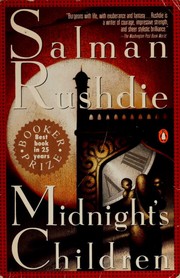
Midnight's Children
Salman Rushdie
Postcolonial magical realism tying language, history, and national identity together emotionally.
Pick this if you appreciated Babel’s linking of language, history and identity. This novel uses magical-realist narration to make national history feel personal and linguistically charged.
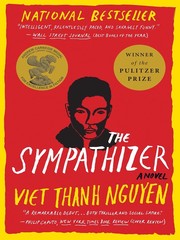
The Sympathizer
Viet Thanh Nguyen
Sharp, morally ambiguous narrator grappling with colonial legacies and betrayal.
Pick this if you were drawn to Babel’s moral ambiguity and wanted a story told by a speaker who is both charismatic and compromised. Expect sharp satire and an inward focus on betrayal and divided loyalties.

Things Fall Apart
Chinua Achebe
Powerful depiction of colonial disruption and cultural loss through intimate prose.
Pick this if you valued Babel’s close attention to cultural loss and the human face of colonialism. This is a foundational, intimate account of colonial contact and its consequences.
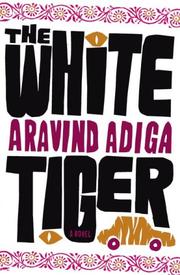
The White Tiger
Aravind Adiga
A blistering, satirical look at power, social mobility, and moral compromise.
Pick this if you liked Babel’s bitter, often satirical scrutiny of social hierarchies and moral compromise. This one is punchier and more satirical in tone while still centering social critique.
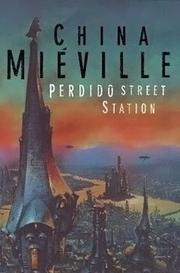
Perdido Street Station
China Miéville
Dense, politically charged imagination with linguistic invention and grim atmosphere.
Pick this if you wanted richly imagined, politically charged worldbuilding with inventive language play. It’s denser and more baroque than Babel but shares a love of linguistic strangeness.
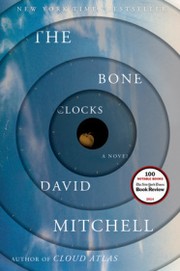
The Bone Clocks
David Mitchell
Ambitious, genre-blending narrative with moral weight and interconnected voices.
Pick this if you enjoyed Babel’s scale and moral reach across interconnected narratives. This novel’s ambitious, genre-hopping structure offers similar scope and ethical complexity.
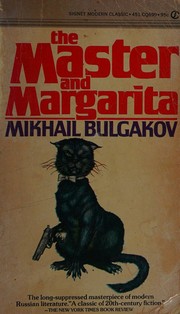
The Master and Margarita
Mikhail Bulgakov
Satirical, metaphysical novel where literature, power, and moral reckoning collide.
Pick this if you were after literature that stages a metaphysical reckoning while satirizing power and art. This is more fantastical and allegorical, a mood-and-philosophy match rather than a plot twin.
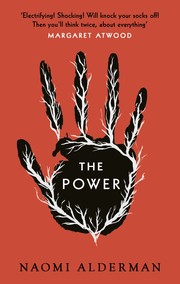
The Power
Naomi Alderman
Conceptual exploration of power dynamics that upends gender and political structures.
Pick this if you wanted a conceptual exploration of how power reconfigures social structures. It shares Babel’s interest in how sudden shifts in power expose moral fault lines, though its central conceit is different.
At a glance
These recommendations are chosen on four specific dimensions central to Babel: the politics of empire and postcolonial critique, the symbolic or literal power of language, the novel’s academic/campus elements, and its blend of speculative or genre elements with moral urgency. Each pick shares some of those features — some strongly on one axis, others more loosely on another — and the percentage indicates how many of those dimensions align.
| Book | First published | Pages | Closest match on | Match |
|---|---|---|---|---|
The Poppy War R.F. Kuang | 2018 | 522 | Same author’s moral intensity | 92% |
Midnight's Children Salman Rushdie | 1981 | 556 | Language as nation-shaping | 88% |
The Sympathizer Viet Thanh Nguyen | 2015 | 391 | Unreliable, politicized narrator | 87% |
Things Fall Apart Chinua Achebe | 1958 | 192 | Colonial disruption portrayed intimately | 85% |
The White Tiger Aravind Adiga | 2008 | 304 | Satirical power dynamics | 82% |
Perdido Street Station China Miéville | 2000 | 710 | Linguistic invention & politics | 80% |
The Bone Clocks David Mitchell | 2014 | 656 | Genre-blending ambitus | 78% |
The Master and Margarita Mikhail Bulgakov | 1967 | 386 | Satire meets metaphysics | 75% |
The Power Naomi Alderman | 1998 | 352 | Conceptual power shifts | 74% |
About Babel
Babel (full title: Babel, or the Necessity of Violence: An Arcane History) was published in 2022 and is by R.F. Kuang. It follows a young translator at a magical version of Oxford as she uncovers how translation and empire are intertwined; the novel won attention for marrying genre invention with explicit postcolonial critique.
Frequently asked questions
I loved the way Babel links language to power. Which pick explores that most directly?+
Midnight's Children deals with language, history and national identity in a way that resonates strongly with Babel’s concerns; it uses magical-realist techniques to show how language and storytelling shape a nation’s fate.
Which recommended book is by the same author as Babel?+
The Poppy War is by R.F. Kuang; it shares Kuang's interest in imperial histories, brutal moral ambiguities, and the costs of violence, but it is set in a very different, grimdark fantasy register.
I want more books set in academic worlds like Babel’s Oxford. Which should I pick?+
Perdido Street Station is the loosest campus match here in terms of setting, but it shares Babel’s appetite for dense, linguistically inventive worldbuilding and political textures. If you want Kuang’s own voice on institutional complicity, The Poppy War is a closer tonal sibling, though not an academic novel.
Is there a recommendation that matches Babel’s postcolonial critique?+
Several do: Things Fall Apart and The Sympathizer both address colonial disruption and its moral legacies directly. Each approaches that critique from different national and stylistic vantage points — Achebe through intimate prose, Nguyen through a sharp, conflicted narrator.
Which pick is the most stylistically experimental like Babel?+
The Bone Clocks and The Master and Margarita both blend genres and timelines in ambitious ways that will appeal if you enjoyed Babel’s mixture of speculative elements and moral scope; expect broad structural reach rather than a focus on translation per se.
More books by R.F. Kuang
Want recommendations based on your own favorites?
BookTwin can match you to books by mood, pacing, themes, and emotional payoff — based on 1 to 5 books you tell it you loved.
Try BookTwin