
Books Like Roadwork
by Stephen King
Roadwork is built on a slow-burning laceration: a man’s life incrementally erased by corporate progress, and his response is not a sudden crime but a methodical campaign of refusal. Barton Dawes is a quiet, responsible everyman whose routines — home, job, the bar where he processes grief — are scheduled for demolition to make way for a highway. King (writing as Richard Bachman) strips away social props through patient scenes of bureaucratic meetings, obsessive planning, and a mounting, cold fury that culminates in an act of destructive clarity.
If you loved Roadwork, the magnet might be different things: the interior, first-person collapse into bleak obsession; the suburban/urban setting where everyday institutions feel hostile; or the careful pacing that turns routine errands into ominous milestones. Some of the picks below mirror Dawes’s moral unraveling and private rage; others match the book’s claustrophobic tone and small-scale social critique. Each note says exactly which strand of Roadwork it echoes so you can pick by the element you want more of — interior monologue, methodical plotting, or a portrait of ordinary life tipping into ruin.
Recommended for fans of Roadwork
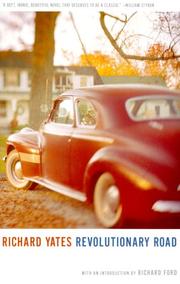
Revolutionary Road
Richard Yates
Suburban collapse and escalating personal desperation mirror Roadwork's bleak domestic unraveling.
Pick this if you wanted the precise portrait of suburban/domestic life cracking under pressure; this matches Roadwork’s bleak household unraveling and escalating desperation.
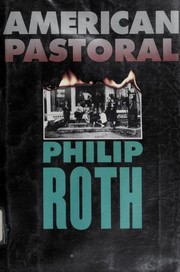
American Pastoral
Philip Roth
Middle‑aged man confronting America’s changes and personal failure, slow-burning moral breakdown.
Pick this if it was the prolonged, inward moral breakdown and the theme of one man confronting sweeping social change that gripped you — this offers that on a broader, more political canvas.
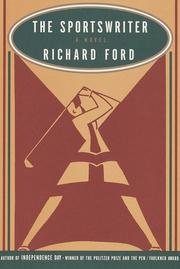
The Sportswriter
Richard Ford
Quiet, inward narrator dealing with loss, rage, and drifting suburban life.
Pick this if you appreciated a reserved, inward narrator whose grief and simmering anger create a slow-burning narrative of drift and occasional outrage.
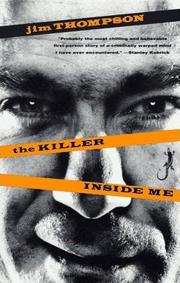
The Killer Inside Me
Jim Thompson
First‑person descent into violent obsession and moral collapse echoes Roadwork's dark interiority.
Pick this if you wanted an unflinching first-person descent into violent obsession; it echoes Roadwork’s dark interiority, though its voice is more explicitly sociopathic.
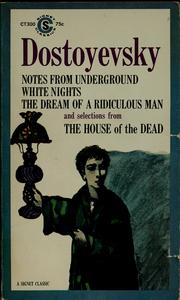
Notes from Underground
Fyodor Dostoevsky
Bitter, resentful narrator and explosive ruminations on society and personal failure.
Pick this if it was the bitter, resentful narrator railing against society that drew you in — this is an earlier, philosophically extreme example of that voice.
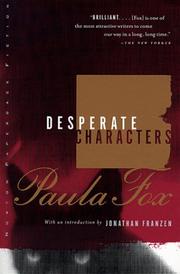
Desperate Characters
Paula Fox
Quiet urban unraveling and a couple’s escalating fear and moral confusion.
Pick this if you liked the small-scale social tension and a couple’s escalating fear in an urban setting; this mirrors Roadwork’s claustrophobic social critique on a domestic scale.

The Stranger
Albert Camus
Detached protagonist whose emotional disconnection leads to sudden, consequential violence.
Pick this if it was Dawes’s emotional disconnection leading to consequential violence that interested you; this shares that detachment and sudden moral rupture.
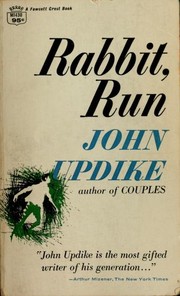
Rabbit, Run
John Updike
Restless suburban male fleeing obligations, generating small acts that escalate emotionally.
Pick this if you were drawn to the image of a middle-aged man fleeing obligations and making small, escalating choices that spiral out — this captures that restlessness in a different voice and context.
A Simple Plan
Scott Smith
Ordinary lives corrupted by obsession and ill-fated choices, building to grim consequences.
Pick this if you wanted an ordinary-sounding plan that corrodes into catastrophe; this is a tight moral thriller about how small corruptions and obsessions produce grim consequences.
At a glance
Matches were chosen for three specific dimensions: the protagonist’s interior, escalating moral breakdown; the setting-driven pressure of suburban/urban change; and the book’s deliberate, accumulative pacing rather than shock-horror set pieces.
| Book | First published | Pages | Closest match on | Match |
|---|---|---|---|---|
Revolutionary Road Richard Yates | 1961 | 337 | Domestic collapse mirror | 92% |
American Pastoral Philip Roth | 1997 | 432 | Slow moral downfall | 90% |
The Sportswriter Richard Ford | 1985 | 375 | Quiet, drifting narrator | 86% |
The Killer Inside Me Jim Thompson | 1952 | 225 | Dark interior monologue | 84% |
Notes from Underground Fyodor Dostoevsky | 1961 | 240 | Bitter outsider voice | 82% |
Desperate Characters Paula Fox | 1970 | 171 | Quiet urban unraveling | 80% |
The Stranger Albert Camus | 1980 | 178 | Detached protagonist & violence | 78% |
Rabbit, Run John Updike | 1960 | 308 | Restless suburban quitting | 76% |
A Simple Plan Scott Smith | 1993 | 416 | Ordinary lives ruined | 75% |
About Roadwork
Roadwork was published under Stephen King’s Richard Bachman pseudonym and centers on Barton Dawes, a man fighting the demolition of his life for a highway project. The novella is often grouped with King’s Bachman work in discussions of his exploration of male rage, fatalism and the darker side of domestic collapse.
Frequently asked questions
Which Stephen King books explore themes like Roadwork’s quiet rage?+
Rage (also published under Bachman) is the most direct companion in theme: it focuses on an ordinary young man whose private fury becomes violent. Other King novels and Bachman titles similarly probe how isolation and desperation can erode moral boundaries.
Is Roadwork a horror novel or more literary fiction?+
It lives between categories. Roadwork lacks supernatural elements and relies on grim realism and psychological unraveling; think of it as dark literary fiction by a writer known for horror, with tension generated by human choices rather than monsters.
Are there real-world inspirations behind Roadwork’s highway demolition plot?+
King draws on the late-20th-century reality of urban renewal and highway construction displacing neighborhoods and businesses. The book uses that social force as the plausible engine of Barton Dawes’s unraveling rather than a sensational plot device.
What should I read next if I liked the tone of Roadwork?+
For similar interior collapse and procedural buildup, consider The Killer Inside Me for the descent into obsession, or Revolutionary Road and American Pastoral for bleak portraits of domestic failure and suffocating social expectations.
More books by Stephen King
See all 81 Stephen King guides →Want recommendations based on your own favorites?
BookTwin can match you to books by mood, pacing, themes, and emotional payoff — based on 1 to 5 books you tell it you loved.
Try BookTwin