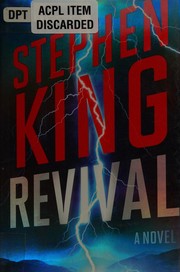
Books Like Revival
by Stephen King
Revival is built from two simple, corrosive elements: a lifelong obsession and an escalating experiment. Stephen King tells the story as a quiet first-person memoir — Jamie Morton looking back on his boyhood friendship with charismatic minister Charles Jacobs, whose fascination with electricity leads to illicit experiments that trade on faith, addiction and an increasingly sinister promise of what lies beyond death. The book’s momentum is not chase scenes but accumulation: recurring motifs (preachers, ampere and cathode imagery), a slow-burn moral unease, and a final sequence that converts personal grief into cosmic horror.
Readers who loved Revival are usually after one of three things: the interior, confessional narration; the religious-obsession/charismatic-figure axis; or the way everyday New England settings are gradually revealed as portals to larger, uncanny forces. The nine picks below are organized by which of those qualities they best echo — some match King’s late-burn tonal creep, some his theological obsessions, and some his grotesque psychological portraits. Each note tells you which element is the true overlap, and where the book takes a different turn.
Recommended for fans of Revival

The Haunting of Hill House
Shirley Jackson
Psychological supernatural dread and slow-building atmosphere with a focus on obsession and trauma.
Pick this if you were drawn to Revival’s atmosphere of creeping psychological unease and the way obsession corrodes a household. Shirley Jackson’s novel matches that slow, interior dread — though it lacks Revival’s explicit religious-experiment plot and cosmic finale.

A Head Full of Ghosts
Paul Tremblay
Religious hysteria, unreliable narrators, and creeping dread around possession and media spectacle.
Pick this if it was the religious obsession and the moral consequence that gripped you. This book delivers patient plotting and a satisfying long-game resolution; the match is thematic patience and moral complexity rather than King’s specific electric-and-supernatural mechanics.
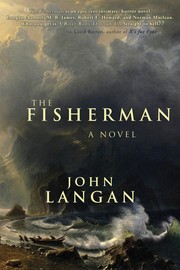
The Fisherman
John Langan
Slow-burn cosmic horror entwined with grief, folklore, and escalating, uncanny revelations.
Pick this if you responded to Revival when personal loss expanded into something uncanny. John Langan’s novel layers grief and folklore into a similarly slow-burn cosmic horror — closer in emotional tenor than in plot specifics.

The Ritual
Adam Nevill
Creeping dread in the wilderness, ancient ritualistic menace, and survival-driven paranoia.
Pick this if it was the sense of escalation from eerie to violent threat you wanted more of. This one relocates that escalation to a forest and an ancient menace; it’s a match in mounting dread, not in pastoral New England or religious preachers.
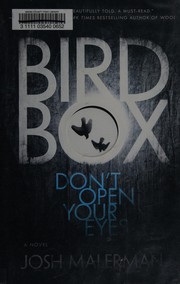
Bird Box
Josh Malerman
Unseen, apocalyptic supernatural threat creating pervasive terror and moral/psychological strain.
Pick this if you liked the idea of an invisible, world-changing threat that warps people’s lives. This pick captures pervasive, unseen terror and the moral strain that causes — less about pastors and experiments, more about survival under a metaphysical pressure.
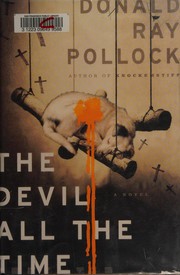
The Devil All the Time
Donald Ray Pollock
Southern gothic brutality, religious corruption, and morally damaged characters facing grim fates.
Pick this if it was the corrosive effect of religiosity and moral violence on a community that hooked you. Expect brutal characters and a bleak moral landscape; this is grimmer and more geographically Southern than King’s New England setting.
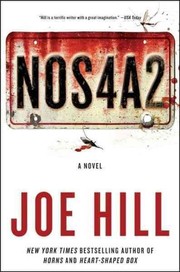
NOS4A2
Joe Hill
Supernatural villainy, obsession, and a slow-rolling, eerie confrontation with personal demons.
Pick this if you wanted an antagonistic force who embodies obsession and personal ruin. This book shares the slow, eerie confrontation with private demons; it’s a stronger match on obsession than on King’s specific narrative voice.
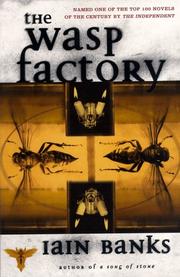
The Wasp Factory
Iain Banks
Dark, unsettling first-person voice and grotesque, morally ambiguous obsessional behavior.
Pick this if you were captivated by Revival’s bleak, confessional narrator and morally ambiguous interiority. This is a close voice-match in intensity and disquiet, though its grotesqueries are of a different flavor than King’s blend of science and faith.

The Passage
Justin Cronin
Epic, bleak supernatural outbreak with strong emotional stakes and slow-building dread.
Pick this if you liked Revival’s final expansion from personal horror to a larger, catastrophic sense of dread. This is the loosest fit here in terms of tone — it moves toward epic outbreak and apocalypse rather than King’s compact, revenge-freezing climax — but it matches the slow accretion into large-scale horror.
At a glance
These matches focus on three dimensions central to Revival: a confessional, retrospective voice; religious or charismatic obsession tied to supernatural dread; and a slow, accreting pace that culminates in a large-scale, unsettling revelation. Percentages reflect which of those dimensions each book most closely shares.
| Book | First published | Pages | Closest match on | Match |
|---|---|---|---|---|
The Haunting of Hill House Shirley Jackson | 1959 | 246 | Psychological, slow dread | 92% |
A Head Full of Ghosts Paul Tremblay | 2015 | 298 | Religious corruption & payoff | 90% |
The Fisherman John Langan | 2016 | 304 | Grief turned cosmic | 88% |
The Ritual Adam Nevill | 2012 | — | Wilderness dread & ritual | 85% |
Bird Box Josh Malerman | 2001 | 36 | Unseen existential terror | 84% |
The Devil All the Time Donald Ray Pollock | 2011 | 261 | Southern gothic brutality | 83% |
NOS4A2 Joe Hill | 2013 | 697 | Supernatural obsession & villainy | 82% |
The Wasp Factory Iain Banks | 1984 | 194 | Unsettling first-person voice | 80% |
The Passage Justin Cronin | 2010 | 906 | Epic, bleak scope | 78% |
About Revival
Revival was published in 2014 and is told as a first-person retrospective by Jamie Morton. King threads together themes of faith, addiction and scientific curiosity around electrical experiments and a late novel crescendo that leans into cosmic horror — a blend often highlighted in discussions of his later work.
Frequently asked questions
What other Stephen King books feel like Revival?+
If you want more of King’s reflective, small-town narrator facing a slow-unfolding horror, check out his other first-person or memory-driven works such as ’Salem’s Lot and The Body (as part of Different Seasons) — they share the intimacy and the slow-building dread.
Which of these is best if I liked Revival’s religious themes?+
A Head Full of Ghosts and The Devil All the Time are strong matches: Tremblay focuses on religious hysteria and media spectacle, while Pollock explores Southern religious corruption and damaged believers.
Are these books more psychological or cosmic horror?+
Expect both kinds here. The Fisherman and The Passage lean toward cosmic, large-scale dread; The Haunting of Hill House and A Head Full of Ghosts center psychological and familial malaise. Revival sits somewhere between: intimate grief that opens onto something vast.
If I liked King’s use of electricity and experiments, which pick matches that specific motif?+
None of these recreates King’s specific electricity-as-metaphor, but The Fisherman and The Ritual mirror Revival’s tactic of using a focused device (folklore or ritual) to escalate to uncanny revelations.
More books by Stephen King
See all 81 Stephen King guides →Want recommendations based on your own favorites?
BookTwin can match you to books by mood, pacing, themes, and emotional payoff — based on 1 to 5 books you tell it you loved.
Try BookTwin