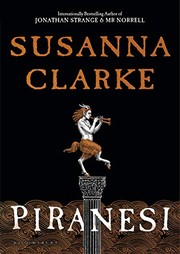
Books Like Piranesi
by Susanna Clarke
Piranesi is built around a single conceit executed with surgical clarity: a first-person journal that maps an impossible, ocean-filled House where halls rise like continents, tides reveal and conceal relics, and columns hold a catalog of human grief. The narrator’s voice—observant, bemused, and gradually more lucid—turns the House into a character: its geometry, its rituals, its weather and its statues all carry the novel’s slow revelations. The book’s pleasures are close reading and patient accumulation; each entry reframes what came before until the world itself reconfigures.
Readers come to Piranesi for different reasons, and the right follow-up depends on which element stayed with you. If it was the claustrophobic, uncanny architecture and the sense of being inside a thinking labyrinth, look for books that emphasize place as character. If it was the unreliable-journal, slowly waking-up narrator, choose titles that foreground voice and revelation. If it was the melancholic lyricism—the hush around loss and memory—pick a book that matches Piranesi’s gentle, elegiac mood rather than its plot mechanics.
Recommended for fans of Piranesi

House of Leaves
Mark Z. Danielewski
A labyrinthine, uncanny house and unreliable narration that warps reality and reader perception.
Pick this if you want a book where the house itself destabilizes reality. House of Leaves is the closest structural and psychological analogue on this list: layered narration and an architecture that warps reader perception.
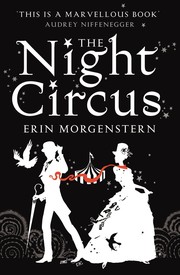
The Night Circus
Erin Morgenstern
Lyrical, dreamlike setting with mysterious rules and quiet, haunting romance.
Pick this if you were drawn to Piranesi’s lyrical, staged spaces and a quiet romantic or emotional current running beneath the mystery. This is a tone-and-setting match more than a structural one.
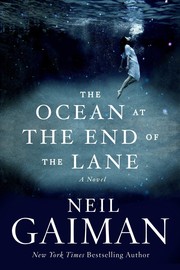
The Ocean at the End of the Lane
Neil Gaiman
Mythic, melancholic childhood memories blending the mundane with eerie, gentle fantasy.
Pick this if it was the elegiac, singular narrator grappling with memory and loss that stayed with you. This title shares Piranesi’s blending of domestic detail and mythic unease.
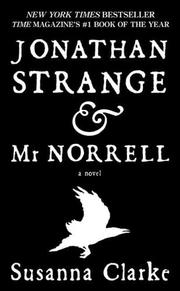
Jonathan Strange & Mr Norrell
Susanna Clarke
Same author's rich, antique voice, blending magic, solitude, and strange antiquarian atmosphere.
Pick this if you want more of Susanna Clarke’s particular blend of archival tone, formal voice and quietly strange magic. Jonathan Strange & Mr Norrell expands that sensibility across a broad historical canvas.

Kafka on the Shore
Haruki Murakami
Surreal, dream-logic narrative with solitary protagonists caught between metaphysical puzzles.
Pick this if it was Piranesi’s surreal logic and solitary, introspective protagonist you liked. Expect ambiguous metaphysics and dreamlike episodes rather than clear-headed explanation.
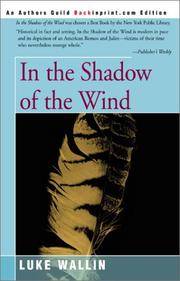
The Shadow of the Wind
Carlos Ruiz Zafón
Bookish, gothic mystery set in a labyrinthine city of secrets and obsessed narrators.
Pick this if you loved the bookish, gothic atmosphere and a city that hides secrets. This one emphasizes obsession and bibliophilic mysteries in a maze-like urban setting.
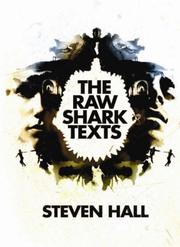
The Raw Shark Texts
Steven Hall
Inventive, eerie exploration of memory and identity with conceptual monsters and strange rules.
Pick this if you were intrigued by Piranesi’s puzzles about identity and the rules that govern its world. This book takes similar conceptual risks with memory and imaginative monsters, though in a more modern, kinetic register.

The City & The City
China Miéville
A noir mystery inside two overlapping, psychologically oppressive cities—strange, precise worldbuilding.
Pick this if you want an exact, rule-driven alternate civic reality where perception and law are oppressive forces. This is a procedural-noir spin on the idea of overlapping realities rather than a solitary, lyrical journal.
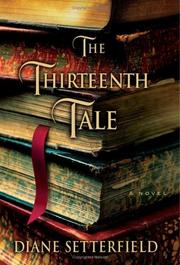
The Thirteenth Tale
Diane Setterfield
Gothic, book-centered atmosphere with secret histories, isolated houses, and melancholy revelations.
Pick this if you were searching for Piranesi’s mood of secret histories and isolated houses with a literary, melancholic narrator. This is a mood and atmosphere match more than a plot or structural twin.
At a glance
Matches were chosen for how they echo Piranesi’s chief qualities: an interrogable, place-driven setting; a solitary or unreliable narrator; and an atmosphere that blends the uncanny with elegiac lyricism. Percentages reflect overlap on those axes, not surface plot similarity.
| Book | First published | Pages | Closest match on | Match |
|---|---|---|---|---|
House of Leaves Mark Z. Danielewski | 1998 | 736 | Labyrinthine, uncanny architecture | 92% |
The Night Circus Erin Morgenstern | 2011 | 512 | Dreamlike, rule-bound setting | 88% |
The Ocean at the End of the Lane Neil Gaiman | 2013 | 224 | Mythic, melancholic voice | 85% |
Jonathan Strange & Mr Norrell Susanna Clarke | 2001 | 864 | Authorial voice & antiquarian magic | 83% |
Kafka on the Shore Haruki Murakami | 2017 | 62 | Surreal, dream-logic narrative | 82% |
The Shadow of the Wind Carlos Ruiz Zafón | 2009 | 203 | Bookish, labyrinthine city | 80% |
The Raw Shark Texts Steven Hall | 2007 | 448 | Conceptual identity & memory | 78% |
The City & The City China Miéville | 2009 | 384 | Precise, strange worldbuilding | 76% |
The Thirteenth Tale Diane Setterfield | 2006 | 416 | Gothic, book-centered melancholy | 74% |
About Piranesi
Piranesi was published in 2020 and won the Women’s Prize for Fiction the same year. Susanna Clarke, previously known for Jonathan Strange & Mr Norrell, deliberately pared back her prose here into short dated entries that mimic a private journal charting a single uncanny environment.
Frequently asked questions
Is Piranesi a horror novel?+
It is uncanny and eerie but not gore-driven. Its horror is quiet and psychological: isolation, strange architecture and slowly revealed truth rather than jump scares or graphic violence. For a more structural, unsettling house-as-character read, see House of Leaves.
Which of Susanna Clarke’s other works feels closest?+
Jonathan Strange & Mr Norrell shares Clarke’s antique diction and meticulous world-building, but it is far broader in scope, with political intrigue and multiple viewpoints. It matches Piranesi most in voice and in a taste for peculiar, historically inflected magic.
I loved the journal structure—what else uses a similar device?+
Several books here use first-person, diary-like frames or clearly biased narrators to reorient the reader as the story unfolds. House of Leaves is an explicit example, with layered, destabilizing narrators; Kafka on the Shore and The Raw Shark Texts also rely on surreal, introspective voices.
Should I read anything for the architecture/maze element specifically?+
Yes. House of Leaves is the most direct analogue for a book that makes architecture itself unsettling. If you want a city-as-labyrinth rather than a single building, The Shadow of the Wind and The City & The City approach that idea from gothic and procedural angles respectively.
Want recommendations based on your own favorites?
BookTwin can match you to books by mood, pacing, themes, and emotional payoff — based on 1 to 5 books you tell it you loved.
Try BookTwin