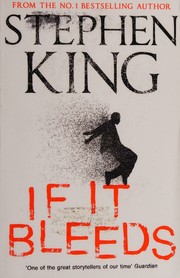
Books Like Mr. Harrigan's Phone
by Stephen King
Mr. Harrigan’s Phone is a compact, elegiac ghost story built from three precise parts: a young boy’s friendship with an elderly man, the purchase of a single, uncanny object (a phone), and a slow accrual of consequence after death. Stephen King keeps the prose spare and the timeline focused—what reads like a coming-of-age tale flips into moral unease as the narrator discovers that the deceased Harrigan’s power seems to persist through a device. The book’s dread is quiet and accumulative rather than graphic: a telephone becomes a conduit for memory, guilt and a creeping supernatural logic.
Readers arrive at Mr. Harrigan’s Phone for different reasons. Some will have loved the small-town nostalgia and the portrait of friendship across generations; others will be drawn to the restrained supernatural premise that lets implication do the work; and some will respond to King’s tonal balance of warmth and cold resolution. The picks below are chosen to map those appeals: direct tonal siblings by Stephen King, tales of adolescence and late grief, and quieter hauntings that trade spectacle for atmosphere. Each note explains which element it shares most closely with King’s novella and where it departs.
Recommended for fans of Mr. Harrigan's Phone

The Body
Stephen King
Coming-of-age friends confronting death, nostalgia and haunting mood.
Pick this if you loved the youth-to-adulthood perspective and the way memory and loss frame the supernatural — this is the closest tonal sibling on the list.
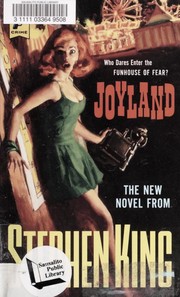
Joyland
Stephen King
Melancholic, ghostly carnival tale about grief and memory.
Pick this if you want a longer, melancholic King tale where grief and memory steer a ghostly plot in a restrained, elegiac register.
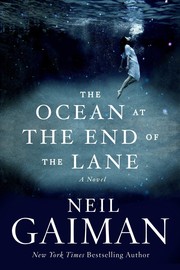
The Ocean at the End of the Lane
Neil Gaiman
Mythic, lyrical childhood memory with eerie, uncanny forces.
Pick this if you appreciated the mythic, dreamlike quality beneath the everyday — this book matches that lyricism and uncanny-childhood perspective (note: a looser fit in authorship but close in mood).
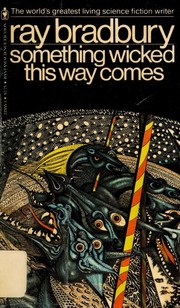
Something Wicked This Way Comes
Ray Bradbury
Dark, poetic tale of adolescence and supernatural temptation.
Pick this if it was the darkly poetic take on adolescence and moral testing that hooked you — this is similar in tone and atmosphere, though it leans more into poetic allegory.
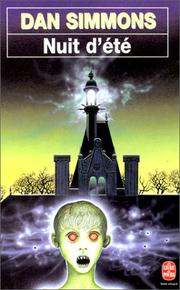
Summer of Night
Dan Simmons
Small-town boys face creeping, old evil in a slow-burn horror.
Pick this if you liked the slow-accumulating menace and 1930s/’70s small-town feel; this is a slow-burn that emphasizes creeping, communal unease.
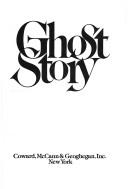
Ghost Story
Peter Straub
Adults haunted by past sins and a persistent supernatural dread.
Pick this if you wanted bitterness, sly humor and a light romantic undercurrent wrapped in menace — a mood match more than a plot match.
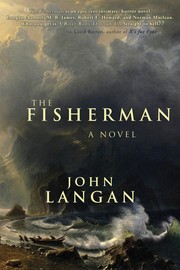
The Fisherman
John Langan
Grief-driven, elegiac horror mixing folklore and cosmic menace.
Pick this if the story’s center on mourning and how grief summons darkness was what mattered most — here the horror grows explicitly from sorrow and folklore.
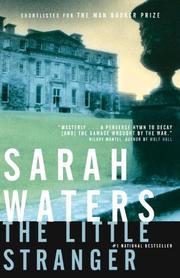
The Little Stranger
Sarah Waters
Polished, atmospheric haunting exploring class, memory, and decay.
Pick this if you appreciated subtle class and decay beneath the hauntings; this recommendation shares a polished, atmospheric approach to memory and decline.
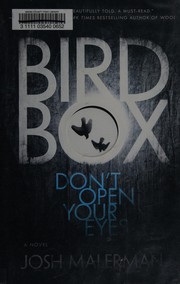
Bird Box
Josh Malerman
Quiet, tense dread and parental protection amid unseen horror.
Pick this if it was the tight, unseen terror and the theme of protection/paranoia that appealed — this choice narrows the dread into relentless, constrained threat rather than supernatural lingering.
At a glance
These matches emphasize the novella’s dominant threads—nostalgic coming-of-age, restrained supernatural dread, and grief-driven consequence—rather than broad genre similarity. Percentages reflect which of those dimensions each recommendation most closely echoes.
| Book | First published | Pages | Closest match on | Match |
|---|---|---|---|---|
The Body Stephen King | 1988 | 294 | Nostalgic coming-of-age | 94% |
Joyland Stephen King | 2011 | 318 | Melancholic mystery & grief | 90% |
The Ocean at the End of the Lane Neil Gaiman | 2013 | 224 | Mythic, lyrical memory | 88% |
Something Wicked This Way Comes Ray Bradbury | 1962 | 278 | Poetic adolescence & temptation | 86% |
Summer of Night Dan Simmons | 1991 | 576 | Slow-burn small-town dread | 85% |
Ghost Story Peter Straub | 1979 | 507 | Witty, bittersweet menace | 83% |
The Fisherman John Langan | 2016 | 304 | Grief-driven, elegiac horror | 81% |
The Little Stranger Sarah Waters | 2009 | 512 | Polished atmospheric haunting | 79% |
Bird Box Josh Malerman | 2001 | 36 | Quiet, parental dread | 77% |
About Mr. Harrigan's Phone
“Mr. Harrigan’s Phone” first appeared in 2019 as part of Stephen King’s short fiction collection Later; it was adapted as a film in 2022. The story revisits recurring King themes—childhood memory, the moral fallout of actions, and technology as a modern uncanny object—while remaining one of his more restrained supernatural pieces.
Frequently asked questions
Is Mr. Harrigan’s Phone a horror story or more literary fiction?+
It sits between both. The piece uses supernatural elements typical of horror but deploys them sparingly; much of the effect comes from quiet character study and moral implication rather than shocks. Several of the picks here mirror that blend.
Which Stephen King works have a similar tone?+
The Body and Joyland are the closest tonal matches from King on this list: both center on youth, memory and melancholy with gentle supernatural or nostalgic edges rather than full‑throttle horror.
Are there longer novels that expand on the themes in Mr. Harrigan’s Phone?+
Yes. Joyland takes similar grief-and-memory territory across a longer, melancholic mystery, while other King works on this list explore adult consequences of youthful events and lingering dread.
Is the technology angle common in King's other stories?+
King often uses contemporary objects—tapes, televisions, cars—as loci for supernatural force. Mr. Harrigan’s Phone is one of his clearer meditations on how modern devices can carry emotional power after death; The Body and Joyland explore comparable emotional residues even when the object differs.
If I liked the quiet dread, which pick should I read first?+
Start with Joyland or The Body for close tonal resonance from King. If you want a more adult, elegiac exploration of haunting and consequence, Ghost Story and The Fisherman on this list lean into those darker, sorrow-driven elements.
More books by Stephen King
See all 81 Stephen King guides →Want recommendations based on your own favorites?
BookTwin can match you to books by mood, pacing, themes, and emotional payoff — based on 1 to 5 books you tell it you loved.
Try BookTwin