
Books Like Lost Lambs
by Madeline Cash
Lost Lambs is a blackly comic, ferociously observant debut built on a household-sized social experiment gone sideways: when the Flynn parents publicly open their marriage, the ripple effects fracture three daughters into wildly different, dangerous trajectories. Madeline Cash keeps the prose lean and scalpel-sharp, pairing savage domestic satire with scenes of escalating moral confusion — Abigail’s volatile romance with an ex-soldier (“War Crimes Wes”), Louise’s secret correspondence with an online extremist, and Harper’s exile to a wilderness reform camp because she insists their town is under surveillance. The novel’s humor is acidic, but it’s never playful about consequences.
Readers who respond strongly to Lost Lambs will do so for distinct, sometimes contradictory reasons. Some will be drawn to the family-as-folly portrait: how parental self-experimentation becomes a catalyst for ruin. Others will want the book’s thread of escalating outrage — institutional corruption personified by a local billionaire, escalating into personal betrayals and ideological danger. And many will love Cash’s tonal balance: black humor that still lands as moral heat. The picks below are grouped by which of those elements they share with Cash’s debut.
Recommended for fans of Lost Lambs

Sharp Objects
Gillian Flynn
Dark, savage family secrets in a corrupt small town with a sharp, unreliable female narrator.
Pick this if you loved Cash’s dry, ruthless depiction of how a corrupt town chews up its people and want a darker, more gothic take on family secrets.
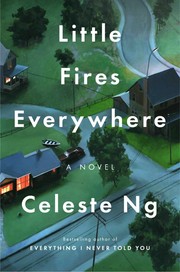
Little Fires Everywhere
Celeste Ng
Taut literary drama about mothers, daughters, secrets and small-town hypocrisy.
Pick this if it was the domestic, moral unraveling between parents and children that gripped you; this is more simmering and structural in its family critique than Cash’s comic bite.

The Nickel Boys
Colson Whitehead
Brutal reform-school injustice and the long aftermath—harrowing and morally furious.
Pick this if Harper’s wilderness camp thread was what disturbed you — read this for an unflinching account of institutional brutality and its long aftermath.
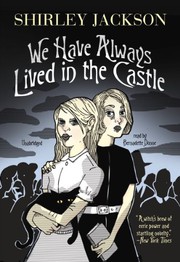
We Have Always Lived in the Castle
Shirley Jackson
Eerie sibling dynamics, paranoia, and small-town malice rendered with dry, dark wit.
Pick this if you want the claustrophobic, uncanny atmosphere of siblings pushed to paranoia; this mirrors Lost Lambs’ dark wit and distrust of the town, though it is quieter and more gothic.

The Girls
Emma Cline
A disturbing coming-of-age into violent, manipulative extremism and female vulnerability.
Pick this if you were most unsettled by Louise’s secret correspondence and want a literary examination of how vulnerable young women get drawn into violent, manipulative groups.

We Need to Talk About Kevin
Lionel Shriver
Unflinching, darkly funny exploration of motherhood, monstrous children, and culpability.
Pick this if you liked Cash’s blend of moral outrage and black humor about parenting gone wrong; this one is more epistolary and argumentative in voice but shares the same unforgiving gaze.

The Nix
Nathan Hill
Ambitious, satirical family epic mixing political corruption and generational estrangement.
Pick this if you appreciated the way Lost Lambs broadens from a household experiment into civic corruption; this is more sprawling and overtly political, so expect bigger scope over tight domestic focus.
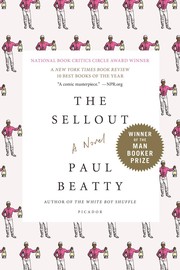
The Sellout
Paul Beatty
Scabrous, razor-sharp satire on race, power, and American civic absurdities.
Pick this if what you liked was the novel’s mockery of local power and absurd institutions; this is sharper satire than Cash’s domestic register and trades intimacy for national-scale civic provocation.
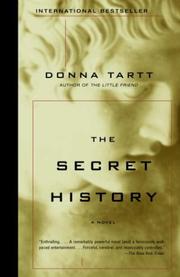
The Secret History
Donna Tartt
Elegant, suspenseful campus tale of privileged misfits and the fallout of violence.
Pick this if you were drawn to the group dynamics and the moral fallout after a violent or transgressive act; this captures that elegant, suspenseful mood but in a campus setting rather than a town.
At a glance
Matches here were chosen for shared tonal registers (dark comic satire), family dynamics under strain, and plot elements like reform-school injustice, small‑town corruption, and girls pushed toward extremity or exile.
| Book | First published | Pages | Closest match on | Match |
|---|---|---|---|---|
Sharp Objects Gillian Flynn | 2006 | 312 | Small-town malice | 92% |
Little Fires Everywhere Celeste Ng | 2014 | 384 | Mothers and daughters | 88% |
The Nickel Boys Colson Whitehead | 2019 | 224 | Reform-school injustice | 85% |
We Have Always Lived in the Castle Shirley Jackson | 1962 | 187 | Eerie sibling dynamics | 83% |
The Girls Emma Cline | 2016 | 352 | Coming‑of‑age into extremism | 80% |
We Need to Talk About Kevin Lionel Shriver | 2003 | 468 | Unflinching parental culpability | 79% |
The Nix Nathan Hill | 2016 | 640 | Satirical family epic | 76% |
The Sellout Paul Beatty | 2015 | 304 | Scathing civic satire | 74% |
The Secret History Donna Tartt | 1992 | 608 | Privileged misfits & fallout | 72% |
About Lost Lambs
Lost Lambs is an acclaimed literary debut by Madeline Cash centered on the three Flynn daughters after their parents open their marriage. The novel mixes savage humor with plotlines about radicalization, a reform camp, a volatile romantic relationship, and a corrupt local billionaire who shadows the town.
Frequently asked questions
What other books capture Lost Lambs’ darkly comic family drama?+
Sharp Objects and Little Fires Everywhere are the closest tonal and thematic matches here: both probe mothers and daughters, small-town hypocrisy, and unreliable viewpoints with literarily sharp prose.
Which picks address the reform-camp or institutional abuse thread?+
The Nickel Boys is the clearest match for brutal reform-school injustice and its lingering fallout; it’s the pick to read if that strand in Lost Lambs unsettled you most.
Which of these are satire rather than domestic suspense?+
The Sellout and The Nix skew more satirical and political: they share Lost Lambs’ willingness to lampoon civic institutions and power, though they differ in scope and method.
Is Lost Lambs similar to novels about cults or radicalization?+
Yes. The Girls is the most relevant match for recruitment and grooming dynamics; Louise’s online correspondence and the theme of violent, manipulative extremism overlap with that book’s territory.
Want recommendations based on your own favorites?
BookTwin can match you to books by mood, pacing, themes, and emotional payoff — based on 1 to 5 books you tell it you loved.
Try BookTwin