
Books Like Later
by Stephen King
Later is compact Stephen King: a first-person account by Jamie Conklin (a boy who can see the dead), told with lean pacing, grim humor and a noir-tinged procedural urgency. The plot hinges on an impossible ability used as both a child’s burden and an investigative tool — Jamie helps a true-crime writer and becomes entangled with a violent, almost supernatural criminal. King keeps the sentences tight, the scares sudden and moral complications at the fore: the novel reads like a detective story refracted through a coming-of-age memory, with grief and ethical ambiguity baked into every revelation.
Readers who loved Later usually fall into one of a few camps: those who want intimate, child-narrator confessions about supernatural trauma; those who prefer a brisk, plot-forward thriller that still makes room for moral questions; and those who like King’s mix of crime, uncanny phenomena and small-person perspective. The nine books below are chosen to match those specific pulls — some echo the adolescent narrator, some the creeping, ambiguous horror, others the old-fashioned escalating menace and the emotional core. Each pick explains which element it shares with Later and where it departs.
Recommended for fans of Later
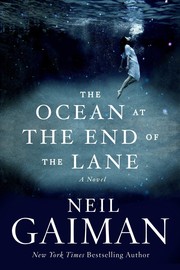
The Ocean at the End of the Lane
Neil Gaiman
Lyrical, child-narrator supernatural memories with eerie, bittersweet payoff.
Pick this if you responded most to Later’s adult-as-remembering-child narration of uncanny events; this is the closest tonal match in voice and bittersweet wonder.
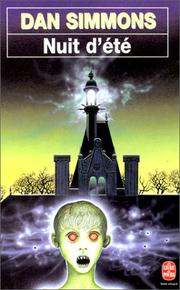
Summer of Night
Dan Simmons
Small-town kids face escalating, old-school supernatural horror and lost innocence.
Pick this if you loved the small-group-of-young-people confronting an old, escalating menace and the loss-of-innocence theme; expect longer, slower build and more 1980s-style ensemble dynamics.

The Changeling
Victor LaValle
Modern fairy-tale horror with a parent-child emotional core and dark surrealism.
Pick this if it was Later’s focus on family ties and the emotional fallout of supernatural intrusion that hooked you; this keeps the parent–child heartbreak at the center, with modern fairy‑tale strangeness.
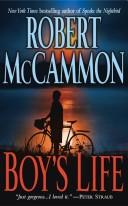
Boy's Life
Robert McCammon
Richly nostalgic coming-of-age mystery threaded with Southern supernatural strangeness.
Pick this if you wanted lush nostalgia paired with creeping supernatural oddities; it’s more expansive and elegiac than Later, trading a tight thriller shape for memory-rich atmosphere.
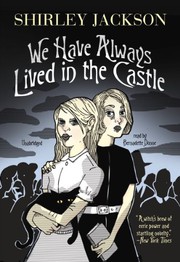
We Have Always Lived in the Castle
Shirley Jackson
Unnerving, intimate first-person voice and creeping, domestic dread.
Pick this if you liked the old-fashioned, escalating menace and the feeling of an inevitable confrontation; this is a looser fit thematically—more adventure-expedition than psychic noir—but shares period dread and steady pacing.

The Night Gardener
Jonathan Auxier
Gothic children's tale with slow-building dread and melancholy atmosphere.
Pick this if you enjoyed King’s sly humor mixed with action and a tender heart; this is a mood match — witty and romantic at times — rather than a direct match for Later’s crime-driven plot.
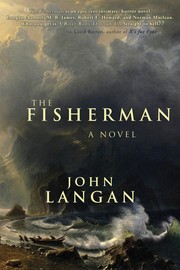
The Fisherman
John Langan
Slow-burn cosmic horror tied to grief, folklore, and haunting storytelling.
Pick this if you were drawn to Later’s meditation on loss and the uncanny consequences of grief; this is slower and more cosmic in reach, focusing on mythic dread rather than a single criminal arc.
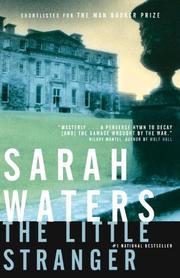
The Little Stranger
Sarah Waters
Elegantly paced house-haunting with social decay and ambiguous supernatural elements.
Pick this if you liked moral ambiguity and psychological unease more than explicit supernatural mechanics; this offers that ambiguity inside a decaying-house framework rather than a psychic detective story.
The Shadow of the Wind
Carlos Ruiz Zafón
Atmospheric, bookish noir about a young boy unraveling a dark mystery.
Pick this if it was the atmospheric, book-centered investigation and a young protagonist unraveling a layered mystery that appealed to you. This is the loosest fit here stylistically, but useful if you want literary, bookish noir with a young sleuth.
At a glance
These recommendations focus on the precise threads that define Later: an intimate, often child or young-narrator perspective; morally fraught uses of supernatural gifts; small-town or close-knit settings; and a taut, page-turning structure that leans toward crime as much as traditional horror.
| Book | First published | Pages | Closest match on | Match |
|---|---|---|---|---|
The Ocean at the End of the Lane Neil Gaiman | 2013 | 224 | Child-memory perspective | 90% |
Summer of Night Dan Simmons | 1991 | 576 | Kids vs. ancient evil | 88% |
The Changeling Victor LaValle | 2017 | 440 | Parent–child emotional core | 86% |
Boy's Life Robert McCammon | 1991 | 544 | Nostalgic coming-of-age mystery | 84% |
We Have Always Lived in the Castle Shirley Jackson | 1962 | 187 | Pulpish expedition dread | 82% |
The Night Gardener Jonathan Auxier | 2014 | 382 | Wry, adventurous tone | 80% |
The Fisherman John Langan | 2016 | 304 | Slow-burn cosmic grief | 78% |
The Little Stranger Sarah Waters | 2009 | 512 | Ambiguous house-haunting | 75% |
The Shadow of the Wind Carlos Ruiz Zafón | 2009 | 203 | Bookish, atmospheric mystery | 72% |
About Later
Later was published in 2021 and released by Hard Case Crime in collaboration with Stephen King. The novel is narrated by Jamie Conklin and combines elements of noir, true-crime procedural and supernatural fiction in a short, propulsive format that King described as a novel-length short story.
Frequently asked questions
Is Later more horror or thriller?+
Later blends both: it reads like a crime-thriller because of the investigation and chase elements, but the presence of a psychic ability and morally disturbing scenes keeps it firmly in horror territory. Several picks lean more toward one side or the other, which the notes make clear.
Which of these is closest to Later’s child-narrator perspective?+
The Ocean at the End of the Lane is the closest tonal match: it’s a first-person memory narrated by an adult remembering supernatural events from childhood, and it shares Later’s mix of wonder and dread.
I liked the short, tight pacing — which books match that?+
Several on this list are leaner and plot-focused: The Night Gardener and We Have Always Lived in the Castle keep tight atmospheres and brisk momentum, while The Fisherman offers a slower, more expansive build.
Are any of these more literary or ambiguous about the supernatural?+
Yes. The Little Stranger and We Have Always Lived in the Castle foreground ambiguous hauntings and social/psychological decay, so they share Later’s moral and interpretive uncertainty rather than straightforward jump scares.
If I want more Stephen King like this, where should I look?+
If you want the specific mix of child perspective and supernatural-confession, check King’s other shorter, memory-driven works — several of them explore similar ground in voice and theme.
More books by Stephen King
See all 81 Stephen King guides →Want recommendations based on your own favorites?
BookTwin can match you to books by mood, pacing, themes, and emotional payoff — based on 1 to 5 books you tell it you loved.
Try BookTwin