
Books Like Japanese Gothic
by Kylie Lee Baker
Japanese Gothic is a tightly wound, lyrical folk‑horror that runs two timelines through a single, haunted threshold: one contemporary, one late‑19th century. In October 2026, Lee Turner flees to his father’s isolated house in Japan after killing his college roommate and finds the house itself is wrong; in 1877, Sen, a young samurai’s daughter, lives in fear within the same walls. The novel centers on atmosphere, mythic menace, and the way folklore threads through architecture — a house that accumulates memories, rules and ports between eras.
Readers will come for different things: the slow, inevitable seep of dread; the culturally specific retelling of Japanese myth; or the formal interplay between two voices separated by a century but linked by place and a literal doorway. Some of the picks below match the book’s experimental, text‑driven eeriness; others match its folkloric core or its insistence that place remembers. Each note says exactly which of those features it shares and where it diverges, so you can pick by the element of Japanese Gothic that mattered most to you.
Recommended for fans of Japanese Gothic
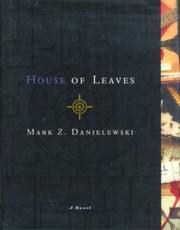
House of Leaves
Mark Z. Danielewski
Labyrinthine, psychological house horror with experimental, lyrical storytelling.
Pick this if you want an adventure in form as much as in fear — House of Leaves matches Japanese Gothic’s interest in a house as a labyrinthine, narrative device and its willingness to fracture perspective.

The Silent Companions
Laura Purcell
Victorian isolated house, creeping folk-ghost atmosphere and dual-period unease.
Pick this if it was the house‑as‑historical-agent and the interleaving timelines that gripped you: The Silent Companions pairs Victorian domestic unease with uncanny objects and dual‑period suspense in a way very close to Japanese Gothic.
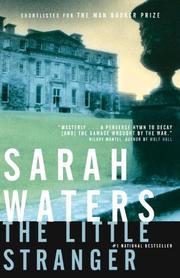
The Little Stranger
Sarah Waters
Slow-burning, atmospheric house dread entwined with class and psychological ambiguity.
Pick this if you want a patient, psychological build of dread tied to social change and a house’s decline. The Little Stranger shares Japanese Gothic’s slow accumulation of menace and its ambiguity about whether threats are supernatural or social.
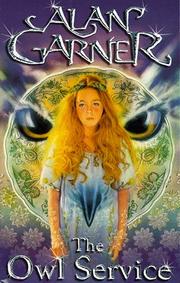
The Owl Service
Alan Garner
Modern folk-myth revival with uncanny, mythic possessions rooted in place.
Pick this if you were most drawn to the way Japanese mythology in the novel makes place feel alive. The Owl Service similarly revives local myth so that landscape and household rites become agents of uncanny change.
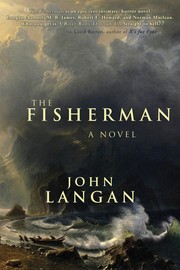
The Fisherman
John Langan
Elegiac, folk-laden cosmic horror steeped in grief and mythic dread.
Pick this if you want grief‑suffused, mythic dread woven into a contemporary frame. The Fisherman matches Japanese Gothic’s elegiac tone and its use of folklore to escalate cosmic unease.

The Changeling
Victor LaValle
Modern fairy-tale horror blending parental trauma with unsettling folklore.
Pick this if you’re after contemporary folklore that distorts family and responsibility. The Changeling blends unsettling folklore with intimate traumatic stakes — a tonal cousin to Japanese Gothic’s present‑day dread.
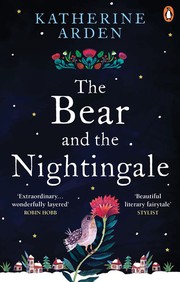
The Bear and the Nightingale
Katherine Arden
Lyrical historical fantasy rooted in Slavic folk beliefs and isolated rural life.
Pick this if you loved the 1877 strand’s lyrical, folkloric past: The Bear and the Nightingale offers a similar fusion of poetry and living myth, though its mythic source is different in origin and scope.
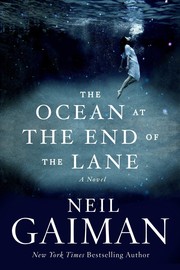
The Ocean at the End of the Lane
Neil Gaiman
Memory-haunted, mythic fable mixing childhood fear and uncanny folklore.
Pick this if you appreciated the book’s fable‑like, memory‑saturated voice. The Ocean at the End of the Lane shares a childlike, mythic register and a focus on how past events continue to shape the present.
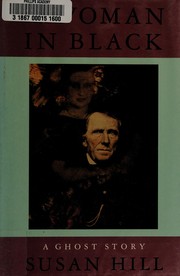
The Woman in Black
Susan Hill
Classic isolated-house ghost story with stark, relentless atmosphere.
Pick this if it was the relentless, stripped‑down atmosphere of an isolated haunted house that drew you. The Woman in Black delivers that stark intensity — note that it’s more classical and less folklorically syncretic than Japanese Gothic.
At a glance
Matches were chosen for three qualities central to this book: a house or place that acts as a character; deep roots in folkloric or mythic material; and a lyrical, sometimes experimental handling of dual timelines or memory. Percentages reflect how many of those dimensions each pick shares.
| Book | First published | Pages | Closest match on | Match |
|---|---|---|---|---|
House of Leaves Mark Z. Danielewski | 1998 | 736 | Experimental house horror | 92% |
The Silent Companions Laura Purcell | 2017 | 343 | Dual‑period house dread | 88% |
The Little Stranger Sarah Waters | 2009 | 512 | Slow atmospheric ambiguity | 83% |
The Owl Service Alan Garner | 1967 | 173 | Folk myth rooted in place | 82% |
The Fisherman John Langan | 2016 | 304 | Elegiac folk‑horror | 80% |
The Changeling Victor LaValle | 2017 | 440 | Modern folklore & parenthood | 78% |
The Bear and the Nightingale Katherine Arden | 2017 | 368 | Lyrical historical fantasy | 76% |
The Ocean at the End of the Lane Neil Gaiman | 2013 | 224 | Memory‑haunted fable | 75% |
The Woman in Black Susan Hill | 1984 | 160 | Isolated‑house dread | 74% |
About Japanese Gothic
Japanese Gothic is a lyrical dual‑timeline folk‑horror steeped in Japanese mythology. Its present timeline is set in October 2026, when Lee Turner retreats to his father’s isolated house after killing his college roommate; its past timeline is 1877, following Sen, a young samurai’s daughter. The two discover a door between their worlds.
Frequently asked questions
Is Japanese Gothic more supernatural or psychological?+
It melds both: the house manifests folkloric, supernatural phenomena while the contemporary timeline frames those events through Lee Turner’s guilt and paranoia. Several of the paired novels here explore the same ambiguous border between interior psyche and external hauntings.
Which picks share the dual‑timeline structure?+
The Silent Companions and The Little Stranger are closest to Japanese Gothic’s layered timeframes and the way a house accumulates threatening history; House of Leaves shares the experimental treatment of space and chronology.
I loved the Japanese mythology — which picks lean into folklore specifically?+
The Owl Service, The Fisherman and The Changeling foreground regional myth and how folklore invades ordinary life; they match Japanese Gothic’s thematic focus on story and belief.
Is this book similar to classic British haunted‑house tales?+
Yes and no. The Woman in Black offers the stark, isolated‑house dread that Japanese Gothic echoes in structure, but Japanese Gothic foregrounds a cross‑temporal door and explicit mythic elements that take it beyond a single spectral presence.
Are any of these books experimental in form like Japanese Gothic can be?+
House of Leaves is the most formally experimental here — it uses typographic and narrative fragmentation to make architecture itself unsettling. The Silent Companions and The Little Stranger are more traditional in form but still manipulate perspective and time to build unease.
Want recommendations based on your own favorites?
BookTwin can match you to books by mood, pacing, themes, and emotional payoff — based on 1 to 5 books you tell it you loved.
Try BookTwin