
Books Like Cycle of the Werewolf
by Stephen King
Cycle of the Werewolf is compact, structural horror: twelve short episodes keyed to the months of a year, each pivoting on a full moon and the small-town consequences of a single monstrous presence. Stephen King compresses his signature attention to everyday detail into vignette-length scenes — a barber shop, a school dance, a Fourth of July picnic — then detonates them with sudden violence. The framing device and Berni Wrightson’s black-and-white illustrations give the book a grimly playful, almost folkloric cadence.
If you loved Cycle of the Werewolf, you might have been drawn to very specific things: the monthly rhythm and tight pacing; the way ordinary townspeople become the real emotional center; the visceral, gory transformations and the folkloric logic of lycanthropy; or King’s knack for mixing small-town Americana with quiet dread. Below are nine books chosen for which of those elements they share with King’s novella — some match on atmosphere, some on structure, some on monster mechanics. Each entry says plainly what fits and where it diverges, so you can pick by what you actually want more of.
Recommended for fans of Cycle of the Werewolf
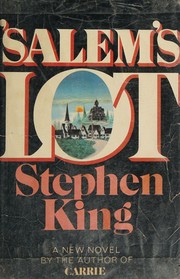
Salem's Lot
Stephen King
Small-town supernatural terror with slow build and memorable, human-centered horror.
Pick this if you want more of King’s precise depiction of how a supernatural threat fractures a community; this is the closest tonal relative and also by Stephen King.

The Howling
Gary Brandner
Classic werewolf horror with tense pacing and visceral transformation scenes.
Pick this if you liked the patient, escalating impact of a single evil across a town but want a darker, longer study — this is slower and more exhaustive than King’s novella.

The Werewolf of Paris
Guy Endore
A literary, historical take on lycanthropy—dark, tragic, and gothic in tone.
Pick this if you’re after a literary, period approach to werewolves and their psychology; it’s gothic and tragic, so expect a different pacing and depth than King’s punchy monthly episodes.

The Wolfen
Whitley Strieber
Urban predator horror with investigative framing and eerie, intelligent beasts.
Pick this if you liked the idea of an intelligent, predatory beast hunting humans but want it set in an urban, investigative frame; this keeps the creature-focus while shifting the setting.
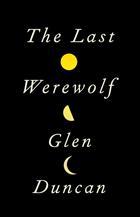
The Last Werewolf
Glen Duncan
Lyrical, intimate werewolf novel exploring loneliness, violence, and immortality.
Pick this if you want an introspective, character-driven take on lycanthropy that examines loneliness and immortality — more elegiac and philosophical than Cycle’s pulpy shocks.

The Ritual
Adam Nevill
Atmospheric folk-horror with oppressive woods, dread, and relentless escalation.
Pick this if the woodland-locked escalation and creeping, folk-horror dread around an inhuman threat is what gripped you; this one trades the town calendar structure for sustained atmosphere.
Ghost Story
Peter Straub
Group of men haunted by past horror; rich atmosphere and creeping dread.
Pick this if you responded to the communal aftermath in King’s novella and want a book about a circle of people haunted by past horrors; it’s longer and more meditative in its dread.
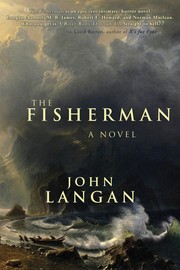
The Fisherman
John Langan
Slow-building, elegiac horror rooted in grief and uncanny folklore.
Pick this if the elegiac, folklore-rooted unease and grief-driven scares appealed to you; expect slow accumulation of uncanny details rather than monthly set-piece attacks.
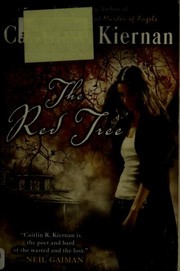
The Red Tree
Caitlín R. Kiernan
Unsettling, literary horror with a creeping sense of cosmic unease.
Pick this if you want unsettling, literary horror that emphasizes cosmic or psychological disquiet over explicit creature scenes — this is more about atmosphere than werewolf mechanics.
At a glance
These matches were chosen for how they echo Cycle of the Werewolf’s core dimensions: compact, month-to-month or episodic structure; small-town or intimate settings; visceral transformation and creature mechanics; and a blend of folklore with investigative or interpersonal focus. Match scores reflect overlap across those axes, not exact plot similarity.
| Book | First published | Pages | Closest match on | Match |
|---|---|---|---|---|
Salem's Lot Stephen King | 1975 | 496 | Small-town dread | 92% |
The Howling Gary Brandner | 1978 | 191 | Extended, methodical menace | 90% |
The Werewolf of Paris Guy Endore | 2010 | 304 | Historical literary lycanthropy | 88% |
The Wolfen Whitley Strieber | 1978 | 254 | Predator-as-myth in cityscape | 86% |
The Last Werewolf Glen Duncan | 2011 | 346 | Intimate, lyrical werewolf study | 84% |
The Ritual Adam Nevill | 2012 | — | Oppressive, wooded dread | 82% |
Ghost Story Peter Straub | 1979 | 507 | Group memory & creeping guilt | 80% |
The Fisherman John Langan | 2016 | 304 | Slow-building folklore horror | 78% |
The Red Tree Caitlín R. Kiernan | 2009 | 385 | Unnerving, psychological unease | 76% |
About Cycle of the Werewolf
Cycle of the Werewolf is a novella by Stephen King first published in 1983 with illustrations by Berni Wrightson. It’s structured as twelve calendar-linked episodes that track a werewolf’s attacks through the town of Tarker’s Mills and was released both as a standalone illustrated edition and later as part of collections of King’s shorter fiction.
Frequently asked questions
Is Cycle of the Werewolf connected to any other Stephen King books?+
Not directly in terms of plot, but King often revisits shared New England towns and small-town social dynamics; if you want more of his atmosphere, Salem’s Lot is a natural follow-up for slow-build, community-centered supernatural horror.
Which book on this list focuses most on werewolf mechanics and transformations?+
For classic lycanthropic detail and transformation scenes, The Howling is closest in intent. It’s visceral and centered on the physical terror of becoming a wolf, much as King foregrounds the gore in his novella.
I liked the small-town perspective — which pick echoes that most?+
Salem’s Lot mirrors Cycle of the Werewolf’s focus on how a single supernatural evil warps a tight-knit community and how ordinary residents react under threat.
Want something more literary or historical about werewolves — which should I choose?+
The Werewolf of Paris is the literary, historical approach: long, tragic, and gothic in tone, and a slower, more atmospheric study of lycanthropy than King’s compact monthly jolts.
Which of these is non-werewolf horror but captures the same creeping dread?+
Ghost Story shares the slow-burn atmosphere and the way past sins and community memory create lingering horror, even though its threat is not lycanthropic.
More books by Stephen King
See all 81 Stephen King guides →Want recommendations based on your own favorites?
BookTwin can match you to books by mood, pacing, themes, and emotional payoff — based on 1 to 5 books you tell it you loved.
Try BookTwin