Quiet, literary unease
You prefer novels that unsettle by withholding and reframing information rather than by delivering shocks—slow, tidy escalations of strangeness with tight narrative focus. You respond to lean exposition (so worldbuilding is a turn-off) and to morally ambiguous narrators or small, insular casts whose loyalties shift. You like prose that’s attentive and re-readable, with endings that leave a little residue rather than neat closure. Short-to-medium length books with deliberate pacing fit your evenings best.
This is a real example. Yours will be built from the books you enter.
Get my Deep MatchWhat you actually respond to
- Slow-burn reveals and restrained exposition
- Small, insular settings (academia, households, single landscapes)
- Narrative distance that makes protagonists quietly unreliable
- Melancholic emotional payoff rather than cathartic release
- Precision of sentence-level prose—literary texture over flashy plotting
- Ambiguous or unsettling endings that invite re-reading
Safe bets
Very likely a hit. Start here if you want a sure thing.
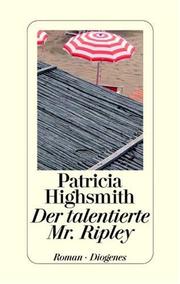
The Talented Mr. Ripley
Find it ↗Patricia Highsmith
A compact psychological novel about identity, mimicry and moral corrosion.
Why you: If The Secret History hooked you with morally flexible characters and social claustrophes, Ripley is the canonical, quieter study of that impulse—short, sophisticated, and unsettling rather than gory.
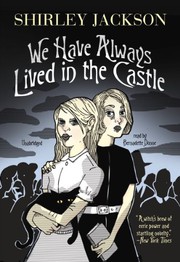
We Have Always Lived in the Castle
Find it ↗Shirley Jackson
A tiny, strange domestic fable narrated by a defensive, odd protagonist.
Why you: Like Piranesi's intimacy and Never Let Me Go's melancholic strangeness, Jackson gives an insular world and an unreliable voice that leaves you off-balance in a few short hours.

The Haunting of Hill House
Find it ↗Shirley Jackson
An ambiguous, atmospheric novel where psychological interiority does the haunting work.
Why you: You said you prefer being unsettled to being scared; Jackson’s novel creates dread through character and language rather than jump-scares—very much in the Piranesi/Ishiguro register of quiet uncanny.

The Stepford Wives
Find it ↗Ira Levin
A sharp, short satire of domestic life that quietly becomes sinister.
Why you: If Gone Girl appealed because of domestic façades and slow revelation, Stepford is a brisk, archetypal version—lean, readable, and corrosive.
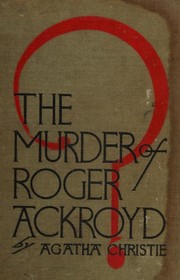
The Murder of Roger Ackroyd
Find it ↗Agatha Christie
A classic, tightly plotted mystery with a famous twist and economical prose.
Why you: You enjoy unreliable narration and clever structural payoffs (Gone Girl); Christie demonstrates how a narrative trick can unsettle without excess bulk—perfect for short evenings.
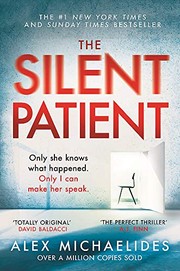
The Silent Patient
Find it ↗Alex Michaelides
A contemporary psychological thriller driven by a single, gripping narrative conceit.
Why you: Its domestic strangeness and tidy, twist-driven pacing echo what you liked in Gone Girl but in a shorter, more propulsive package.
Stretches
Adjacent to your taste, asking a little more of you.

Foe
Find it ↗Iain Reid
A spare, claustrophobic speculative novel in which key facts are withheld and then reframed.
Why you: Foe shares Piranesi’s economical revelation and Ishiguro’s emotional restraint—it asks you to sit with ambiguity and pays off in an unsettling, intimate way.
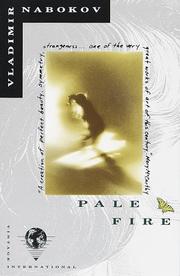
Pale Fire
Find it ↗Vladimir Nabokov
A metafictional puzzle combining a poem and an increasingly unreliable critical apparatus.
Why you: If you loved The Secret History’s literary in-jokes and the slow unspooling of character, Pale Fire offers a denser, more playful challenge in which the narrator’s slipperiness becomes the whole point.
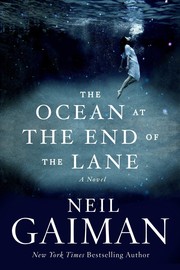
The Ocean at the End of the Lane
Find it ↗Neil Gaiman
A short, memory-based fable that makes everyday life feel quietly uncanny.
Why you: Its dreamy, elliptical approach to strange events sits near Piranesi’s mood—small in scale and emotionally resonant, good for short evenings.
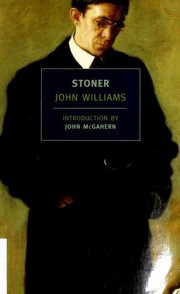
Stoner
Find it ↗John Williams
A quietly devastating life-novel of a professor rendered in exact, unadorned prose.
Why you: You respond to tight interiority and melancholic payoff (as in Never Let Me Go); Stoner gives a long emotional arc in a compact, perfectly measured voice.
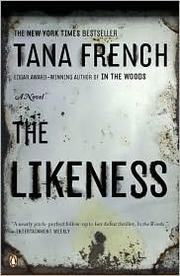
The Likeness
Find it ↗Tana French
A literary mystery about infiltration and identity inside a close-knit group.
Why you: Because Secret History resonated for you, this book’s immersion in group dynamics, friendship, and secrecy is an excellent—if slightly longer—next step.

The Wasp Factory
Find it ↗Iain Banks
A short, darkly comic novel with a deeply unreliable narrator and a steady undercurrent of dread.
Why you: It’s odder and noisier than your favorites but rewards readers who like unreliable viewpoints and moral disquiet in a compact form.
Wildcards
Unexpected, but there is a real reason behind each one.

White Is for Witching
Find it ↗Helen Oyeyemi
An experimental, polyphonic haunted-house novel that blends fairy-tale logic and domestic menace.
Why you: If Piranesi’s architectural strangeness appealed, Oyeyemi’s novel offers a very different, more fractal version of dwelling-as-character—riskier but richly strange.
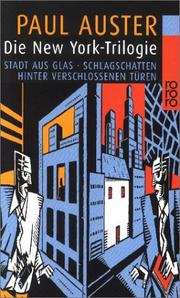
The New York Trilogy
Find it ↗Paul Auster
Three metafictional noir novellas that dissolve identity, narrative authority and detective form.
Why you: You like narratives that destabilize who’s telling the story (Gone Girl, Secret History); Auster takes that destabilization to experimental places—less cozy, more mind-bending.
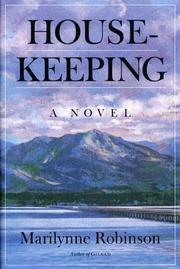
Housekeeping
Find it ↗Marilynne Robinson
A lyrical, quietly estranging novel about transience, belonging and family collapse.
Why you: If you respond to the melancholic, humane tone of Never Let Me Go but want something more literary and less speculative, Housekeeping is a lyrical, slower burn that stays with you.
What to avoid
Large, expository world-building (e.g., Dune-style epics) — you said heavy exposition made Dune a bore for you.
Those books demand sustained attention to invented systems and prolonged setup; you prefer tight focus on characters and controlled revelation.
High-octane, plot-first thrillers with little interiority
They deliver adrenaline rather than the lingering unease and moral complexity you enjoy.
Extremely long doorstoppers (>600 pages) without a clear episodic structure
You mentioned short evenings; long, sprawling books hurt momentum and risk feeling like a chore.
Where to start
- 1We Have Always Lived in the Castle — start with a short, immediate dose of Jacksonian unease that proves the pattern of insular narrators you like.
- 2The Talented Mr. Ripley — follow with a study of moral mimicry and social claustrophes that echoes Secret History.
- 3The Ocean at the End of the Lane — a brief, dreamlike palate cleanser that keeps the mood strange but softens pace.
- 4Foe — tighten the speculative restraint and experience the kind of withheld-information storytelling you enjoyed in Piranesi.
- 5The Haunting of Hill House — deepen the ambiguity and atmosphere; Jackson escalates psychological unease perfectly here.
That was someone else's taste. Want yours?
Enter the books you loved and get a report like this one, built around what you actually respond to.
Get my Deep Match — $9