
Books Like Where the Wildflowers Grow
by Terah Shelton Harris
Where the Wildflowers Grow is built around a single, intimate premise: a woman in flight, presumed lost to the law, finds sanctuary on a rural flower farm and must learn how to live again. Leigh — the last surviving Wilde — survives a bus crash on her way to prison, slips into hiding, and is taken in by a found family whose day-to-day work with soil and blooms becomes the steady, tangible work of healing. The novel foregrounds quiet, practical acts — tending rows, market runs, mending fences — as the mechanics of recovery; Jackson, the farm’s owner, becomes both a reluctant guardian and the mirror who forces Leigh to confront the tragedies she has buried.
Readers will come for different pieces of that structure. Some will be drawn to the solitary-survivor arc and the slow unpeeling of a guarded past; others will be most interested in the restorative rhythms of rural labor and the detailed, botanical setting that shapes the characters' recovery. Still others will value the found-family dynamics — the small kindnesses, the house rules, the arguments and reconciliations — that turn a place of hiding into a place of belonging. The picks below are organized so you can choose by whether you want more atmosphere, more communal tenderness, or a starker survival story with similar themes.
Recommended for fans of Where the Wildflowers Grow

Where the Crawdads Sing
Delia Owens
Solitary heroine, nature-driven survival, Southern small-town secrets and emotional redemption.
Pick this if you loved Leigh’s solitary survival and gradual reintegration into a small Southern community; this matches the rural secrets and nature-driven redemption most closely.
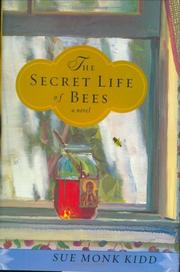
The Secret Life of Bees
Sue Monk Kidd
Young woman finds refuge, maternal found family, and healing in the rural South.
Pick this if you wanted a tender, maternal found family that helps a traumatized young woman heal — this mirrors the farm’s caregiving circle and emotional apprenticeship.

The Orchardist
Amanda Coplin
Reclusive farmer shelters traumatized girls; quiet, lyrical story of protection and second chances.
Pick this if you were moved by the protector figure — a reserved farm owner who shelters and slowly trusts a damaged woman; this keeps that dynamic at its center in a lyrical register.
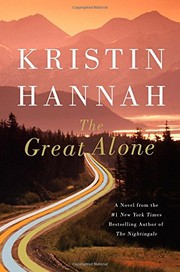
The Great Alone
Kristin Hannah
Remote setting, survival after trauma, and complex relationships leading to renewal.
Pick this if you preferred a starker portrait of surviving abuse and rebuilding in isolation; expect a more physically demanding, emotionally fraught path to renewal.
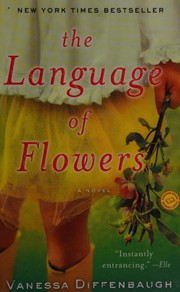
The Language of Flowers
Vanessa Diffenbaugh
Floral motifs, a damaged young woman rebuilding trust and a new life through relationships.
Pick this if the flower motifs and a heroine rebuilding trust through relationship and vocation were what appealed to you; this uses flowers as an organizing emotional language.
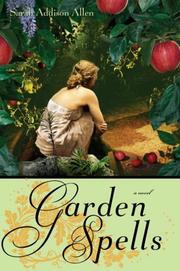
Garden Spells
Sarah Addison Allen
Southern town, magical-realism garden, and a close-knit found family healing past wounds.
Pick this if you liked the Southern setting and a close-knit, slightly whimsical found family; note this brings light magical-realism elements that the seed does not.
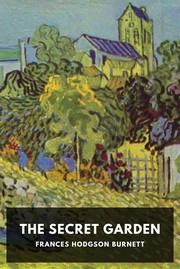
The Secret Garden
Frances Hodgson Burnett
Healing through a hidden garden, restoration of spirit and unexpected familial bonds.
Pick this if the hidden-garden-as-restoration idea is what you loved; this is a classic, child-to-adult analogue of that exact motif.
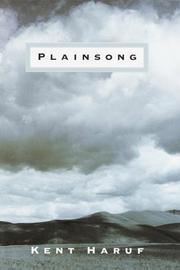
Plainsong
Kent Haruf
Gentle, compassionate small-town ensemble with informal found family and quiet emotional repair.
Pick this if you wanted a gentle, ensemble portrait of small-town people quietly repairing one another; reach for this if the communal, unflashy kindnesses moved you.
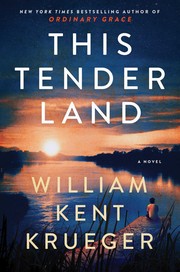
This Tender Land
William Kent Krueger
Orphaned youths on a journey find community, survival, and emotional rebirth in rural America.
Pick this if you liked the survival-plus-journey beat that ends in found belonging — though this one follows traveling youths rather than a single woman hiding on a farm, so the match is thematic rather than plot-for-plot.
At a glance
These matches were chosen for three specific dimensions in the seed: the solitary-but-rescued heroine, the restorative rural setting (often horticultural), and the found-family arc that propels emotional recovery. Picks are ranked by which of those elements they most closely share with Leigh's story.
| Book | First published | Pages | Closest match on | Match |
|---|---|---|---|---|
Where the Crawdads Sing Delia Owens | 2018 | 416 | Solitary-survivor arc | 93% |
The Secret Life of Bees Sue Monk Kidd | 2000 | 303 | Maternal found family | 90% |
The Orchardist Amanda Coplin | 2012 | 437 | Reclusive protector | 88% |
The Great Alone Kristin Hannah | 2018 | 537 | Harsh survival, renewal | 86% |
The Language of Flowers Vanessa Diffenbaugh | 2011 | 367 | Floral symbolism & rebirth | 85% |
Garden Spells Sarah Addison Allen | 2007 | 297 | Southern warmth + whimsy | 82% |
The Secret Garden Frances Hodgson Burnett | 1911 | 256 | Garden-as-healer theme | 80% |
Plainsong Kent Haruf | 1999 | 301 | Quiet small-town compassion | 79% |
This Tender Land William Kent Krueger | 2016 | 464 | Road-to-community journey | 77% |
About Where the Wildflowers Grow
Where the Wildflowers Grow follows Leigh, the last surviving Wilde, who escapes to a flower farm in rural Alabama after the bus carrying her to prison crashes. There she meets Jackson and a found family who help her face buried tragedies and begin rebuilding her life. The novel centers on survival, second chances and slow emotional repair through everyday labor and relationships.
Frequently asked questions
If I liked the found-family aspect, what should I read next?+
Start with The Secret Life of Bees or The Secret Garden: both foreground a young woman taken in by surrogate caregivers in a rural setting and trace how domestic routines and maternal figures open paths to healing. The Secret Life of Bees is closer tonally to Where the Wildflowers Grow if you want explicitly adult reckonings alongside the found family.
Is this book more about survival or romance?+
The book centers on survival and recovery via relationships and work; romance is present but not the driving engine. If you want a story where the emotional repair is foregrounded and romance is gentler, The Language of Flowers or The Orchardist are good tonal relatives.
Which of these is the quietest, most lyrical match?+
The Orchardist offers a similarly quiet, lyrical treatment of wounded characters sheltered on a farm-like property. It shares the hush, the focus on caretaking and the slow rebuilding of trust.
I loved the floral and botanical imagery — which pick emphasizes that?+
The Language of Flowers uses floral motifs as an organizing principle for character and plot, making it the most direct thematic echo of the seed's flower-farm setting. Garden Spells also leans heavily on garden-centered symbolism, though with a touch of magical realism.
Are there options here with a broader, community-wide perspective?+
Yes. Plainsong and This Tender Land both widen the lens to small-town or regional ensembles, offering multiple viewpoints on how community supports — or sometimes fails — vulnerable people. They slow the focus on an individual to show how belonging develops in public and private ways.
Want recommendations based on your own favorites?
BookTwin can match you to books by mood, pacing, themes, and emotional payoff — based on 1 to 5 books you tell it you loved.
Try BookTwin