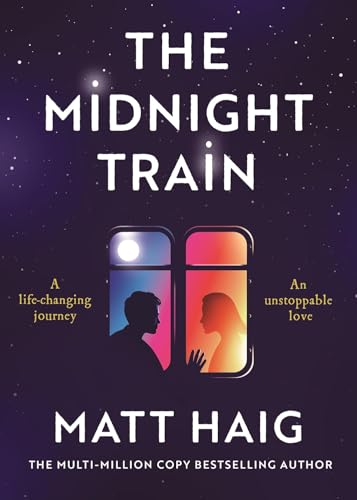
Books Like The Midnight Train
by Matt Haig
The Midnight Train is a quiet, deliberately strange fable built around a single conceit: an elderly, widowed bookshop owner named Wilbur Budd boards a supernatural train that returns him to the crucial scenes of his life. The novel’s engine is moral and emotional rather than plot-driven — Wilbur encounters vivid memories one by one under the supervision of a ghostly conductor who explicitly forbids interference, and the central tension is an intimate, dwindling question of whether a life can or should be altered when the rules say no.
Readers are likely to have connected with different parts of that setup. Some will have been moved by Wilbur’s late‑life perspective and the way the train compacts decades into a handful of crystalline moments; others will have been drawn to the metaphysical framing — a rule-bound afterlife with a guide who interprets mercy and restraint. Still others will have loved the bookshop-owner sensibility: small routines, unspoken regrets and quiet humor. Below are nine titles chosen to match those distinct pleasures — emotional late-life reappraisal, rule-governed afterlife encounters, meditative journeys of memory, or mythic gentle fables — with notes on which facet each pick most closely echoes.
Recommended for fans of The Midnight Train

A Man Called Ove
Fredrik Backman
Grumpy widower reevaluates life, warmth, humor, and emotional redemption.
Pick this if you responded most to Wilbur’s crusty exterior softening into compassion and humor; this is a warmer, everyday analogue about an older man learning to live again.
The Five People You Meet in Heaven
Mitch Albom
Afterlife encounters revisit pivotal life moments and reveal meaning.
Pick this if you valued the train’s episodic, explanatory meetings with the past; this book uses afterlife encounters to trace how small acts accrue significance.
The Unlikely Pilgrimage of Harold Fry
Rachel Joyce
Older man embarks on transformative journey through memory and regret.
Pick this if you liked the notion of an older protagonist undertaking a purposeful journey that forces introspection and repair; this is grounded and more earthly but shares that arc.
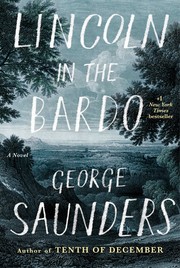
Lincoln in the Bardo
George Saunders
Ghostly, rule-bound afterlife with meditations on grief, memory, and choice.
Pick this if it was the strict, communal weirdness of a constrained afterlife that intrigued you — this one stages grief and memory inside a governed supernatural space; expect a more experimental narrative voice.

The Remains of the Day
Kazuo Ishiguro
Quiet, regretful retrospective about choices, duty, and lost opportunities.
Pick this if you were drawn to Wilbur’s inward, duty-laden retrospection; this is a spare, restrained meditation on choices and lost opportunities with a formally reserved narrator.
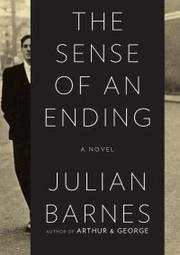
The Sense of an Ending
Julian Barnes
A personal reappraisal of past decisions and unreliable memory.
Pick this if you wanted a compact, puzzling reassessment of past choices and the slipperiness of memory; this matches the book’s quieter cognitive re-evaluations.
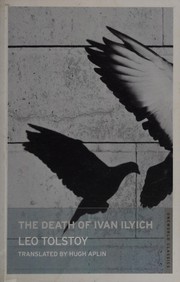
The Death of Ivan Ilyich
Leo Tolstoy
A searing, short exploration of mortality, meaning, and late-life clarity.
Pick this if you’re after the blunt moral seriousness about death and meaning rather than the train’s gentler fable; this is shorter and more austere in tone.

The Alchemist
Paulo Coelho
Mythic, gentle fable about following signs, destiny, and inner truth.
Pick this if you enjoyed the novel’s fable-like simplicity and symbolic guide-figure; this offers a parable-driven search for destiny and inner truth rather than literal afterlife mechanics.
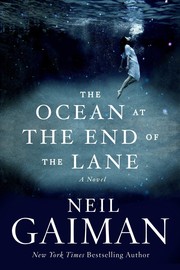
The Ocean at the End of the Lane
Neil Gaiman
Lyrical, memory-laced magical realism with a melancholic, otherworldly guide.
Pick this if you liked the melancholy, dreamlike quality of the train and its guide; this is the loosest fit here but shares a poetic, otherworldly narrator and childhood‑tinted recollection.
At a glance
Matches were chosen on three concrete dimensions: (1) late‑life retrospection and emotional reappraisal, (2) an afterlife or rule-bound metaphysical framework, and (3) a gentle, fable-like tone that balances melancholy and small, human humor. Each recommendation echoes one or more of those elements rather than attempting a full plot match.
| Book | First published | Pages | Closest match on | Match |
|---|---|---|---|---|
A Man Called Ove Fredrik Backman | 2017 | 24 | Affectionate late‑life reevaluation | 92% |
The Five People You Meet in Heaven Mitch Albom | 2003 | 223 | Afterlife encounters revealing meaning | 90% |
The Unlikely Pilgrimage of Harold Fry Rachel Joyce | 2012 | 344 | Pilgrimage as memory work | 88% |
Lincoln in the Bardo George Saunders | 2017 | 426 | Rule-bound ghostly setting | 85% |
The Remains of the Day Kazuo Ishiguro | 1989 | 256 | Quiet, regretful reflection | 84% |
The Sense of an Ending Julian Barnes | 2011 | 154 | Unreliable memory & reappraisal | 82% |
The Death of Ivan Ilyich Leo Tolstoy | 2011 | 165 | Severe mortality focus | 80% |
The Alchemist Paulo Coelho | 2010 | — | Mythic, allegorical tone | 78% |
The Ocean at the End of the Lane Neil Gaiman | 2013 | 224 | Lyrical, memory-laced magic | 76% |
About The Midnight Train
The Midnight Train is a companion to Matt Haig’s The Midnight Library and centers on Wilbur Budd, an 81-year-old widowed bookshop owner who rides a magical train through the most important moments of his life while a ghostly guide forbids him to interfere. It was published as part of Haig’s ongoing exploration of mortality, regret and mental wellbeing.
Frequently asked questions
Is The Midnight Train connected to The Midnight Library?+
Yes. The Midnight Train is presented as a companion to The Midnight Library and revisits similar themes — mortality, regret and the ethical weight of choices — through a different premise and protagonist.
Which book should I read if I liked the train’s rule-bound afterlife?+
Lincoln in the Bardo is the closest match for a structured, ghostly afterlife presided over by constraints and meditative reflections on grief and memory.
I loved the late-life perspective — any recommendations?+
A Man Called Ove and The Unlikely Pilgrimage of Harold Fry both center older men reassessing their lives through encounters that gently force change, matching the Wilbur Budd viewpoint.
Which pick is most like the short, clarifying moral punch of The Midnight Train?+
The Five People You Meet in Heaven shares the structural device of afterlife encounters that reveal hidden meaning in ordinary decisions, producing concise emotional clarity.
Want something more philosophically austere and short?+
The Death of Ivan Ilyich is a brief, stark exploration of mortality and late-life clarity; it's far more severe in tone but closely aligned in thematic focus.
More books by Matt Haig
Want recommendations based on your own favorites?
BookTwin can match you to books by mood, pacing, themes, and emotional payoff — based on 1 to 5 books you tell it you loved.
Try BookTwin