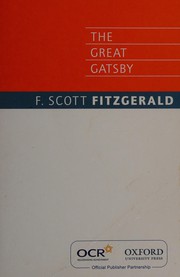
Books Like The Great Gatsby
by F. Scott Fitzgerald
The Great Gatsby is built from a handful of precise devices: Nick Carraway’s measured, often morally tangled first-person narration; the glittering, ritualized parties that reveal rather than disguise decay; and a short, tightly plotted rise-and-fall that turns desire into a social diagnosis. Fitzgerald’s sentences are economical yet lyric, folding image and symbol (the green light, the valley of ashes, the eyes on the billboard) into character so that setting and theme advance together.
Readers come to Gatsby for different reasons: some stayed for Fitzgerald’s particular cadence of prose and the way a single scene — a dockside reunion, a hotel confrontation — can change everything; others respond to the social anatomy of wealth, class and entitlement; and many are drawn to the novel’s elegiac sense of a lost ideal, a private hope that cannot survive public spectacle. The nine books below are chosen to map those doors into Gatsby — similar narrators, parallel social critique, comparable elegiac tone, or those that interrogate the tragic costs of desire and status.
Recommended for fans of The Great Gatsby
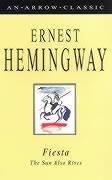
The Sun Also Rises
Ernest Hemingway
Postwar expatriates, aimless longing, terse elegant prose and doomed romantic entanglements.
Pick this if you valued Gatsby’s terse, polished sentences and the drifting, postwar malaise of a group of privileged friends. Hemingway’s book shares that atmosphere and emotional exhaustion, though it is starker and less ornate than Fitzgerald.

Tender Is the Night
F. Scott Fitzgerald
Decadent wealth, psychological unraveling, and Fitzgerald's lush, elegiac style.
Pick this if you want another Fitzgerald novel that expands Gatsby’s concerns into psychological complexity and a longer, more tragic unraveling among the wealthy. It’s the closest in spirit because it’s by Fitzgerald and develops similar themes at greater length.
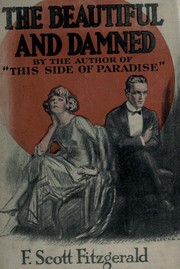
The Beautiful and Damned
F. Scott Fitzgerald
Ambition and moral decay among the wealthy, with Fitzgerald's critique of excess.
Pick this if you want to stay inside Fitzgerald’s moral territory. The Beautiful and Damned examines how aspiration and social life eat away at character — a direct thematic sibling rather than a tonal clone.

The Age of Innocence
Edith Wharton
Elegant depiction of upper-class society, repressed desire, and social consequence.
Pick this if you loved Gatsby’s anatomy of social life and its punishments. The Age of Innocence offers an elegant, earlier-period counterpart focused on repression and the cost of choosing duty over desire.
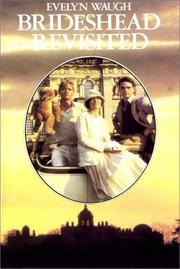
Brideshead Revisited
Evelyn Waugh
Nostalgic aristocracy, ruinous romances, and moral longing in ornate prose.
Pick this if it was Gatsby’s sense of longing for a lost social order that gripped you. Brideshead Revisited matches that nostalgia and moral yearning in ornate prose, though it centers English aristocracy rather than American wealth.
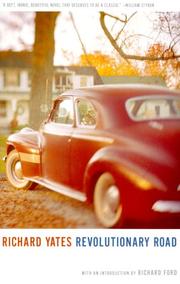
Revolutionary Road
Richard Yates
Suburban expectation versus inner despair, sharp social critique and tragic relationship.
Pick this if you responded to Gatsby’s critique of hollow domestic aspiration and wanted a harder, more contemporary view of marital failure and middle-class expectation. This is sharper and bleaker in its social realism.
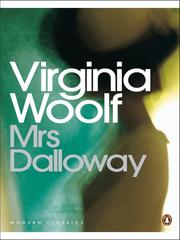
Mrs Dalloway
Virginia Woolf
Stream-of-consciousness intimacy, social observation, and elegiac reflections on time.
Pick this if you were drawn to Gatsby’s reflective, interior narration and want a book that probes time and consciousness more experimentally. Mrs Dalloway is more interior and modernist, so it’s a stylistic shift rather than a direct social match.
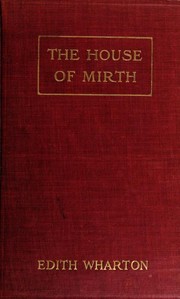
The House of Mirth
Edith Wharton
Social climbing, feminine tragedy, and merciless portrait of Gilded Age society.
Pick this if you were moved by Gatsby’s portrayal of social pressure and its personal toll, especially on women. The House of Mirth offers a merciless portrait of social climbing and feminine ruin in comparable late‑Gilded-Age terms.
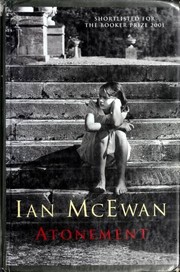
Atonement
Ian McEwan
Class, guilt, and a ruined love rendered in precise, lyrical prose.
Pick this if you admired Gatsby’s moral ambiguity and precise, image-driven prose and want a modern novel that interrogates class and a single ruined love with clinical lyricism. This is a later, more metafictional take on similar themes.
At a glance
Matches emphasize specific dimensions of Gatsby: elegiac lyrical prose, a confined social milieu that exposes moral decay, an intimate narrator who judges yet empathizes, and a central ruined romance. Each recommendation is selected for which of those elements it most closely echoes.
| Book | First published | Pages | Closest match on | Match |
|---|---|---|---|---|
The Sun Also Rises Ernest Hemingway | 1926 | 249 | Expatriate ennui & prose | 92% |
Tender Is the Night F. Scott Fitzgerald | 1933 | 352 | Lush decadence & ruin | 90% |
The Beautiful and Damned F. Scott Fitzgerald | 1920 | 439 | Wealth, ambition’s corrosion | 88% |
The Age of Innocence Edith Wharton | 1920 | 348 | Society’s strict codes | 86% |
Brideshead Revisited Evelyn Waugh | 1945 | 336 | Nostalgic ruin & belonging | 85% |
Revolutionary Road Richard Yates | 1961 | 337 | Suburban despair & marriage | 83% |
Mrs Dalloway Virginia Woolf | 1925 | 224 | Stream-of-consciousness intimacy | 80% |
The House of Mirth Edith Wharton | 1905 | 348 | Female tragedy in high society | 79% |
Atonement Ian McEwan | 2001 | 384 | Class, guilt, precision | 77% |
About The Great Gatsby
The Great Gatsby was published in 1925 and is set in the summer of 1922 against the wealth and restlessness of the American Jazz Age. Though its initial sales were modest, critics later canonized it as F. Scott Fitzgerald’s masterpiece and a defining novel about the American Dream and 1920s high society.
Frequently asked questions
Which book best continues Fitzgerald’s style and themes?+
Tender Is the Night is Fitzgerald’s most direct continuation: it uses his lush prose to depict wealth, psychological unraveling and the corrosion of idealism among the privileged.
If I liked the narrator in Gatsby, what should I read next?+
The Sun Also Rises offers a comparably observant, sometimes detached narrator among expatriates; it pairs terse, elegant sentences with characters marked by disillusionment and frustrated longing.
Are there books that explore similar social critique from a different angle?+
Yes. The Age of Innocence and The House of Mirth examine upper-class codes and the penalties for transgression, offering sharper social enforcement and consequence than Gatsby’s moral ambiguity.
Which picks are the most romantic-tragic like Gatsby?+
Atonement and Brideshead Revisited foreground ruinous loves and long regret in ornate, elegiac prose; Atonement is more recent and metafictional, while Brideshead leans on nostalgia for aristocratic decline.
Want more by Fitzgerald himself — where to go next?+
Read The Beautiful and Damned for an earlier treatment of ambition and moral decay among the wealthy, and Tender Is the Night for a fuller, darker study of marriage, fame and psychological collapse.
Want recommendations based on your own favorites?
BookTwin can match you to books by mood, pacing, themes, and emotional payoff — based on 1 to 5 books you tell it you loved.
Try BookTwin