
Books Like The God of the Woods
by Liz Moore
The God of the Woods is a quietly strange, atmospheric novel that roots its drama in an extraordinary premise: a massive, possibly sentient tree appears near a small town, setting off a chain of grief, longing and moral reckoning among the residents. Liz Moore frames the book as a series of intimate perspectives — neighbors, grieving parents, municipal officials — so the plot unfolds through character economies rather than conventional action. The novel’s strongest mechanics are its ecological attention (trees and landscape function as active moral forces), its braided, character-driven structure, and a tone that balances elegiac lyricism with precise, often wrenching domestic detail.
If you loved The God of the Woods, you might have been pulled by any one of those elements: the forest-as-character, interlocking small-community portraits, quiet moral dilemmas about care and harm, or Moore’s close third-person empathy. The picks below are organized to show which element each book shares most directly, and where it diverges, so you can pick the next read by what you want more of.
Recommended for fans of The God of the Woods

The Overstory
Richard Powers
Epic, lyrical meditation on trees, connection, and human consequence—nature as character and moral force.
Pick this if you want another novel that treats trees and forests as active presences shaping human consequence; this is the most direct, expansive echo of Moore’s ecological focus.
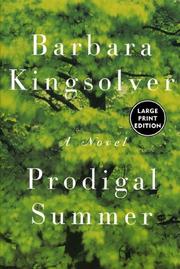
Prodigal Summer
Barbara Kingsolver
Interwoven rural stories exploring ecology, love, and human choices in the natural world.
Pick this if you loved the way human relationships were mapped onto ecological systems and want multiple storylines that explore love, labor and environmental ethics in a rural landscape.

The Orchardist
Amanda Coplin
Quiet, lyrical tale of solitude, found family, and secrets on the margins of a rural community.
Pick this if you were drawn to Moore’s spare, attentive portraits of solitary characters forming makeshift families; this novel shares that hush and emotional accumulation.

The Snow Child
Eowyn Ivey
Folkloric, haunting rural fable about longing, loss, and the wildness of the woods.
Pick this if you responded to the mythic or uncanny elements around the tree; this one leans more explicitly into fairy‑tale logic and longing in a snowbound rural setting.
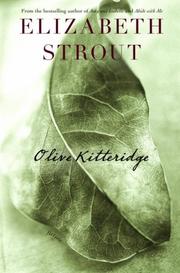
Olive Kitteridge
Elizabeth Strout
Spare, intimate portraits of small-town lives, grief, and human contradictions.
Pick this if it was the close, fragmentary portraits of ordinary lives and private grief that stayed with you. This is quieter and more domestic but matches Moore’s focus on moral nuance.
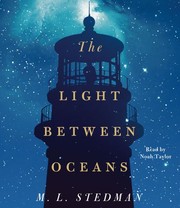
The Light Between Oceans
M.L. Stedman
Moral complexity and quiet desperation in an isolated coastal setting with devastating secrets.
Pick this if you want novels that put intimate, devastating choices in an isolated setting; the match is in emotional stakes and ethical gray areas rather than ecological focus.
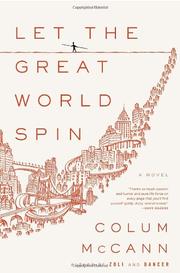
Let the Great World Spin
Colum McCann
Lyrical, interlocking stories about loss, redemption, and the human web in one city.
Pick this if you liked Moore’s braided point-of-view structure and lyrical sentences and want another book built from interwoven lives that cumulatively examine loss and redemption.
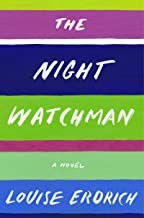
The Night Watchman
Louise Erdrich
Community-rooted, compassionate novel blending personal histories, loss, and social forces.
Pick this if you appreciated Moore’s portrait of community resilience and the interplay between personal history and larger social forces; this pick offers a similar communal attentiveness.

Remembering Babylon
David Malouf
Meditative exploration of outsiderhood, landscape, and fear in an Australian frontier community.
Pick this if you were fascinated by how landscape shapes suspicion and belonging. This is a looser fit thematically and geographically, but it shares a meditative concern with outsider status and the power of place.
At a glance
Matches were chosen for how they echo The God of the Woods’ core dimensions: nature as a shaping presence, interwoven community narratives, spare lyrical voice, and ethical complexity in domestic settings. Percentages show which dimensions each pick mirrors most closely.
| Book | First published | Pages | Closest match on | Match |
|---|---|---|---|---|
The Overstory Richard Powers | 2018 | 531 | Trees as moral force | 90% |
Prodigal Summer Barbara Kingsolver | 2000 | 444 | Interwoven rural ecology | 85% |
The Orchardist Amanda Coplin | 2012 | 437 | Quiet, solitary intimacy | 84% |
The Snow Child Eowyn Ivey | 2012 | 432 | Folkloric woodland fable | 82% |
Olive Kitteridge Elizabeth Strout | 2007 | 288 | Small-town portraiture | 80% |
The Light Between Oceans M.L. Stedman | 2012 | 352 | Moral desperation in isolation | 78% |
Let the Great World Spin Colum McCann | 2009 | 349 | Lyrical interlocking stories | 77% |
The Night Watchman Louise Erdrich | 2020 | 464 | Community-centered compassion | 75% |
Remembering Babylon David Malouf | 1993 | 201 | Outsiderhood & landscape | 70% |
About The God of the Woods
The God of the Woods is a novel by Liz Moore that centers on a mysterious tree’s arrival near a small town and the ways that event reframes loss, responsibility and belonging. Moore uses multiple, intimate points of view and sustained attention to landscape to drive the narrative and its moral questions.
Frequently asked questions
Which book should I read next if I loved the tree and nature elements?+
Start with The Overstory — it treats trees as agents that reshape human lives and moral imagination, sharing the ecological scale and arboreal focus of Moore’s novel.
I liked Moore’s small-town character studies—what else has that intimacy?+
The Orchardist and Olive Kitteridge both deliver spare, intimate portraits of marginalized people in close-knit communities; they match Moore’s attention to character and the moral weight of everyday choices.
Are there other novels that mix folklore or fable with contemporary grief?+
The Snow Child is the closest fit here: it blends folkloric, almost uncanny elements with themes of longing and loss in a rural setting, much like the mythic undertow of Moore’s tree.
Does Moore have other books in a similar vein?+
Liz Moore’s other novels also focus on deep character work and moral entanglements; readers who value her empathy-driven prose will find familiar strengths across her oeuvre.
More books by Liz Moore
Want recommendations based on your own favorites?
BookTwin can match you to books by mood, pacing, themes, and emotional payoff — based on 1 to 5 books you tell it you loved.
Try BookTwin