
Books Like The Covenant of Water
by Abraham Verghese
The Covenant of Water is built from two defining impulses: intimate medical detail and a multigenerational family saga rooted in South India’s specific landscape and social change. Abraham Verghese structures the novel around recurring crises — births, illnesses and a mysterious family pattern of drowning — and lets long, lucid scenes of clinical practice and bedside observation sit alongside domestic conversations, political shifts and the slow accrual of family lore. Readers are often drawn to one of three things here: the immersive medical writing and the ethics of caregiving; the sweep of decades showing how national upheavals reshape private lives; or the novel’s careful attention to place — Kerala’s rivers, churches and hospitals — which becomes a character in its own right.
The nine books below each echo one or more of those elements. Some match the medical-grit and procedural intimacy; others mirror the multigenerational scope or the regional specificity and memory-work. Each pick note makes clear which strand it shares with Verghese and where it departs, so you can choose by whether you want more clinical realism, broader social history, or inward, elegiac family reckoning.
Recommended for fans of The Covenant of Water

Cutting for Stone
Abraham Verghese
Epic medical family saga with lush prose and lifelong bonds.
Pick this if you want more of Verghese’s surgeon’s-eye detail and the emotional complexity of caregiving within an expansive family saga.

A Fine Balance
Rohinton Mistry
Sweeping, compassionate multigenerational story set against India's social upheaval.
Pick this if you loved the novel’s wide social canvas and compassionate portrayal of ordinary lives across upheaval, and you’re ready for another multigenerational portrait that doesn’t shy from hardship.

The God of Small Things
Arundhati Roy
Poetic, tragic family drama rooted in Kerala and memory.
Pick this if it was the Kerala setting, the way place and memory intertwine, and a poetic, fragmentary voice that appealed to you — expect sharper lyricism and formal play.
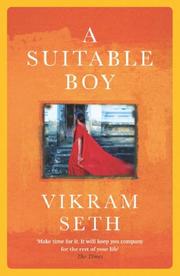
A Suitable Boy
Vikram Seth
Grand, intimate panorama of postpartition India and intertwined families.
Pick this if you loved the scale and interlocking family networks in Verghese’s book and want an even more sprawling panorama of postpartition Indian life and intimate domestic detail.

The Inheritance of Loss
Kiran Desai
Bittersweet multigenerational tale of displacement and colonial aftershocks.
Pick this if you were drawn to how political change and migration ripple through families; this one is more explicitly about displacement and its long human costs.

The Lowland
Jhumpa Lahiri
Quiet, intense family consequences across generations and continents.
Pick this if you preferred the quieter, inward consequences of choices across continents and generations — less procedural medicine, more domestic aftermath and silence.
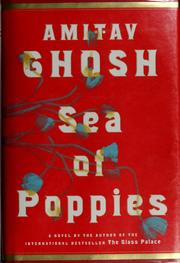
Sea of Poppies
Amitav Ghosh
Vivid historical epic with richly drawn characters and colonial Indian setting.
Pick this if you want a wide historical epic with richly drawn characters and the colonial-era trade and movement that reshape identities across generations.

The Shadow Lines
Amitav Ghosh
Meditative, intergenerational exploration of memory, borders, and family ties.
Pick this if you appreciated the novel’s meditation on memory and the porousness of borders; this is more contemplative and essayistic in tone but tracks similar themes of family and belonging.

An Artist of the Floating World
Kazuo Ishiguro
Melancholic, generational reckoning with history and personal responsibility.
Pick this if you’re after reflective, restrained exploration of moral responsibility across generations. This is the loosest match in setting and scale, but it shares the novel’s elegiac tone and inward moral inventory.
At a glance
These recommendations were chosen for three concrete dimensions central to Verghese’s novel: granular medical or caregiving detail, a sweeping, multigenerational timeline rooted in South Asian settings, and a strong sense of place and communal memory. The match percentages reflect how many of those elements each book shares with The Covenant of Water.
| Book | First published | Pages | Closest match on | Match |
|---|---|---|---|---|
Cutting for Stone Abraham Verghese | 2009 | 655 | Medical intimacy & family | 92% |
A Fine Balance Rohinton Mistry | 1995 | 719 | Social sweep & compassion | 88% |
The God of Small Things Arundhati Roy | 1997 | 357 | Kerala memory & lyricism | 86% |
A Suitable Boy Vikram Seth | 1993 | 1408 | Grand, domestic panorama | 85% |
The Inheritance of Loss Kiran Desai | 2005 | 342 | Displacement & aftermath | 82% |
The Lowland Jhumpa Lahiri | 2013 | 388 | Quiet, cross‑generational sorrow | 80% |
Sea of Poppies Amitav Ghosh | 2005 | 543 | Historical sweep & characters | 78% |
The Shadow Lines Amitav Ghosh | 1988 | 252 | Memory & borders | 75% |
An Artist of the Floating World Kazuo Ishiguro | 1986 | 208 | Melancholic generational reckoning | 70% |
About The Covenant of Water
Published in 2023, The Covenant of Water is a multigenerational novel by Abraham Verghese that follows a Christian family in South India across much of the twentieth century. It foregrounds medicine — doctors, hospitals and the ethics of care — while tracing how social and political change affects private lives.
Frequently asked questions
What should I read after The Covenant of Water?+
Start with Cutting for Stone if you want more of Verghese’s medical intimacy and family complexity. If you’re looking for a different writer’s take on multigenerational India-set epics, A Suitable Boy or A Fine Balance share the sweep and social canvas.
Which of these books most closely matches the medical detail?+
Cutting for Stone by Abraham Verghese is the closest: it centers on doctors, surgical procedures and the moral life of clinicians in a way that directly complements The Covenant of Water.
Which books capture Kerala or the novel’s regional specificity?+
The God of Small Things specifically evokes Kerala’s landscape and social texture with a lyrical, memory-driven voice; it’s the clearest regional match on this list.
Are there books here that focus more on political and social upheaval?+
Yes. A Fine Balance and Sea of Poppies foreground large-scale historical forces and colonial/postcolonial change in ways that shape families and individual fates, much as The Covenant of Water does across generations.
Which pick is the loosest match?+
An Artist of the Floating World is the loosest formal match — it’s shorter and more restrained — but it shares the elegiac, inward-facing generational reckoning present in Verghese’s novel.
Want recommendations based on your own favorites?
BookTwin can match you to books by mood, pacing, themes, and emotional payoff — based on 1 to 5 books you tell it you loved.
Try BookTwin