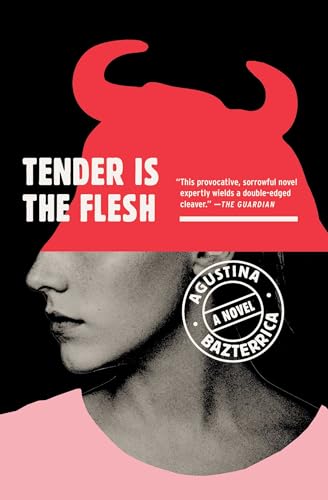
Books Like Tender Is the Flesh
by Agustina Bazterrica
Tender Is the Flesh is driven by one corrosive conceit: in a society where animal meat has become toxic, the state legalizes and industrializes the consumption of human flesh. The novel keeps its focus narrow and clinical — Marcos works in a processing plant where people are rebranded as “special meat,” strict protocols dictate every contact, and the horror accumulates not from graphic spectacle but from bureaucratic language, moral erosion and the slow, disorienting shift when one worker begins to see a living specimen as a person. The tension grows through small, intimate violations rather than through sensational set pieces.
Readers come to this book for different reasons: some respond to its speculative mechanism (how a legal system can normalize atrocity), others to the quiet, interior unraveling of Marcos as human feeling reasserts itself under lethal pressure, and others to the way everyday administrative detail amplifies dread. The picks below are organized around those axes — corporeal commodification, systemic dehumanization, intimate ethical collapse and bleak, post-contagion landscapes — so you can choose a follow-up that matches what unnerved or fascinated you most.
Recommended for fans of Tender Is the Flesh
Never Let Me Go
Kazuo Ishiguro
Organ harvesting, quiet horror, and humanization of commodified bodies.
Pick this if you were haunted by the slow humanization of someone deemed property — this matches closely: it centers on organ harvesting and quiet, resigned intimacy.
The Road
Cormac McCarthy
Bleak postapocalyptic despair, moral choices amid survival and dehumanization.
Pick this if you want another spare, relentlessly grim vision of a world where survival forces brutal ethical choices and parental love tries to survive amid ruin.

Blindness
José Saramago
Societal collapse, contagion-driven horror, and erosion of human decency.
Pick this if you’re drawn to the social fallout of an epidemic and how quickly civic norms dissolve; this is a broad, society‑scale study of that erosion.
The Handmaid's Tale
Margaret Atwood
State-sanctioned bodily control and intimate, harrowing human exploitation.
Pick this if you want a book about institutionalized bodily control and the intimate effects of legalized exploitation, especially on personal relationships and bodily autonomy.

Make Room! Make Room!
Harry Harrison
Overpopulation-driven dystopia and grim resource scarcity parallels.
Pick this if you saw Tender Is the Flesh as a response to scarcity and policy-driven solutions; this shares the theme of grim resource pressure, though its focus is overpopulation rather than legalized cannibalization.
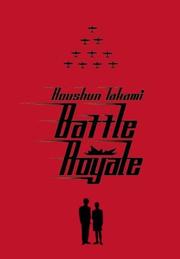
Battle Royale
Koushun Takami
State violence and forced dehumanization of people for brutal control.
Pick this if it was the coercive, spectacle-of-control aspect that unnerved you; this offers extreme state-sponsored dehumanization through forced violence.

The Girl with All the Gifts
M. R. Carey
Speculative infection horror with ethical ambiguity about 'monstrous' humans.
Pick this if you liked the moral questions raised by beings labeled dangerous or other; this blends speculative infection with sympathy for the infected in a way that complicates easy judgments.
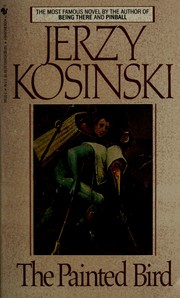
The Painted Bird
Jerzy Kosinski
Relentless bleakness and human cruelty examined through harrowing vignettes.
Pick this if you respond to unsparing depictions of human cruelty and survival in micro‑episodes; it’s a harsher, more episodic catalogue of human brutality.
We
Yevgeny Zamyatin
Cold, bureaucratic totalitarianism that erases individuality and humanity.
Pick this if you were most interested in the chilling bureaucracy that makes atrocity routine; this is the most formal and abstract match, emphasizing systemic erasure of individuality.
At a glance
Matches were chosen on four specific dimensions of this book: the normalization of bodily commodification, a clinical or bureaucratic register that heightens horror, narrative intimacy with a morally compromised protagonist, and the broader context of contagion or social collapse. Each recommendation shares some subset of those elements.
| Book | First published | Pages | Closest match on | Match |
|---|---|---|---|---|
Never Let Me Go Kazuo Ishiguro | 2005 | 304 | Commodified human bodies | 92% |
The Road Cormac McCarthy | 2006 | 256 | Bleak moral landscape | 90% |
Blindness José Saramago | 1999 | — | Contagion-driven collapse | 88% |
The Handmaid's Tale Margaret Atwood | 1985 | 352 | State control of bodies | 86% |
Make Room! Make Room! Harry Harrison | 1966 | 229 | Resource-driven dystopia | 80% |
Battle Royale Koushun Takami | 1999 | 624 | State violence & coercion | 78% |
The Girl with All the Gifts M. R. Carey | 2014 | 416 | Infection + ethical ambiguity | 76% |
The Painted Bird Jerzy Kosinski | 1965 | 242 | Relentless human cruelty | 74% |
We Yevgeny Zamyatin | 1983 | 47 | Cold, bureaucratic totalitarianism | 72% |
About Tender Is the Flesh
Tender Is the Flesh is a dystopian horror novel by Agustina Bazterrica. Its premise centers on a post-virus world where animal meat is toxic and governments legalize processed human flesh; the story follows Marcos, a worker at one such processing plant, who begins to treat a live specimen as human despite strict prohibitions.
Frequently asked questions
What other books explore legalized or institutionalized bodily exploitation?+
The Handmaid's Tale shares the theme of state-sanctioned control over bodies and intimate exploitation, while Never Let Me Go examines the commodification of human bodies through organ harvesting and quiet, pervasive horror.
Which books capture the bleakness and moral desolation of Tender Is the Flesh?+
The Road and The Painted Bird are both sustained exercises in bleakness and human cruelty: The Road through postapocalyptic survival and protective despair, The Painted Bird through relentless, vignette-style depictions of cruelty. Both match the novel's uncompromising tone.
Are there novels that match Bazterrica’s contagion-to-collapse arc?+
Blindness most closely mirrors contagion-driven societal breakdown and the erosion of decency that follows; The Girl with All the Gifts shares the speculative infection element but with different moral ambiguities.
Which recommendations focus on bureaucratic, cold totalitarian systems?+
We and The Handmaid's Tale foreground cold, systemic controls that erase individuality; We is the more bureaucratic and abstract match, Handmaid’s the more intimate and gendered one.
I was disturbed by the ethical ambiguity around the ‘specimen’—what else probes those limits?+
Never Let Me Go directly interrogates caregiving and attachment toward commodified humans, and The Girl with All the Gifts complicates sympathy for beings labeled as monstrous; both probe how empathy survives systems that declare certain lives expendable.
Want recommendations based on your own favorites?
BookTwin can match you to books by mood, pacing, themes, and emotional payoff — based on 1 to 5 books you tell it you loved.
Try BookTwin