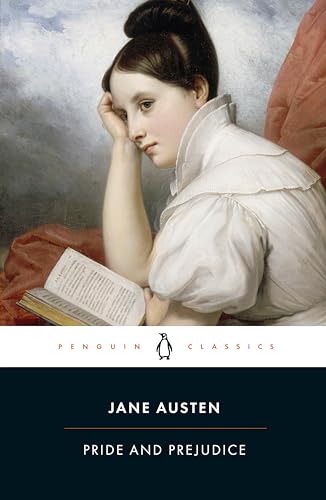
Books Like Pride and Prejudice
by Jane Austen
Pride and Prejudice runs on a compact machine of social observation, razor-sharp dialogue and character development: Elizabeth Bennet's quick intelligence and Mr. Darcy's reserve collide in a series of misunderstandings, proposals and corrective revelations. The novel's pleasures come from Austen's use of free indirect discourse (we inhabit Elizabeth's judgments even when the narration stays third-person), its focus on marriage as social and economic negotiation, and the steady moral growth of its principals within the confined circuit of families, assemblies and country visits.
Readers come to Pride and Prejudice for different reasons: some want the sparring, scene-by-scene verbal duels and the slow-burn romantic tension; others prize the novel's social satire — the way small-town manners expose anxieties about class, wealth and reputation. Still others reread it for Austen's narrative technique, where irony and sympathy sit cheek-by-jowl. The nine books below are chosen to reflect those forks in taste: close tonal and structural matches from Austen herself, and wider echoes in novels that foreground courtship, moral education, or sharply observed society.
Recommended for fans of Pride and Prejudice
Emma
Jane Austen
Sharp social satire and a spirited heroine navigating courtship and class.
Pick this if you want the nearest tonal and structural follow-up — sharp irony, a spirited heroine managing courtship and social errors, and the same authorial voice.
Persuasion
Jane Austen
Quieter, mature romance about second chances and social pressures.
Pick this if you loved the theme of moral growth and prefer a more reflective, mature romance about regret and reclaimed affections rather than rapid wit.
Sense and Sensibility
Jane Austen
Contrasting sisters, romance and economic pressures with Austen's moral wit.
Pick this if you were drawn to the interplay between sisters, the role of financial pressures in matchmaking, and moral choices framed as domestic dilemmas.
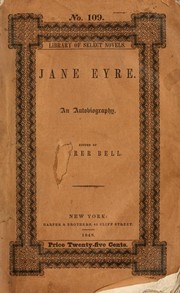
Jane Eyre
Charlotte Brontë
Strong, independent heroine and intense, principled romance.
Pick this if you seek a stronger gothic tone and an emotionally intense, principled heroine whose romantic path is tested by deeper secrets and moral trials.
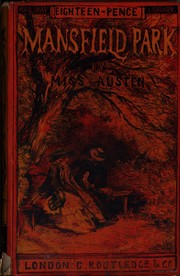
Mansfield Park
Jane Austen
Moral complexity, social mobility, and understated romantic tension.
Pick this if you want a darker, more morally complex social panorama where duty and conscience complicate romantic feeling — a stiffer, more judgmental mirror to Austen's satire.
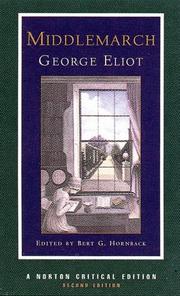
Middlemarch
George Eliot
Rich social observation, marriage, and moral consequences in provincial life.
Pick this if you appreciated finely observed provincial life and want a multi-perspective, large-cast novel that treats marriage, morality and social consequence on a broader canvas than Austen's tighter household focus.

North and South
Elizabeth Gaskell
Romance across class divides, strong heroine and social conscience.
Pick this if it was the class tension and social conscience you liked in Pride and Prejudice but you want it transposed into industrial northern settings, with a heroine engaged in moral and political questions as well as romance.
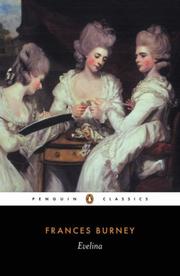
Evelina
Frances Burney
Epistolary debutante comedy of manners and social learning.
Pick this if you’re curious how the comedy-of-manners tradition looked before Austen: this epistolary debutante tale shares social education and public embarrassment as growth mechanisms — a looser, historically earlier fit.

The Age of Innocence
Edith Wharton
Elegantly observed society, restrained passion, and sharp moral judgment.
Pick this if you enjoyed finely tuned social observation and restrained passion with sharp moral judgment — a more formal, elegiac take on the costs of social expectation.
At a glance
Matches here were chosen on four specific dimensions: the central marriage/courtship plot, the moral growth of a heroine, sustained social satire or observation, and Austen's characteristic ironic narrative voice (including use of free indirect discourse). The percentage reflects how many of those qualities a pick shares.
| Book | First published | Pages | Closest match on | Match |
|---|---|---|---|---|
Emma Jane Austen | 1815 | 457 | Wicked social satire | 92% |
Persuasion Jane Austen | 1789 | 268 | Quiet second chances | 90% |
Sense and Sensibility Jane Austen | 1811 | 352 | Sibling contrasts & economics | 88% |
Jane Eyre Charlotte Brontë | 1847 | 480 | Intense, principled heroine | 86% |
Mansfield Park Jane Austen | 1814 | 443 | Moral ambiguity & duty | 85% |
Middlemarch George Eliot | 1800 | 795 | Expansive social tapestry | 84% |
North and South Elizabeth Gaskell | 1855 | 452 | Class, conscience & industry | 82% |
Evelina Frances Burney | 1778 | 427 | Debut-comedy manners | 80% |
The Age of Innocence Edith Wharton | 1920 | 348 | Restrained society & judgment | 78% |
About Pride and Prejudice
Jane Austen's Pride and Prejudice was published in 1813, having originated in an earlier draft titled First Impressions. It established the marriage-plot comedy of manners for which Austen is best known and has remained one of her most influential and widely read novels.
Frequently asked questions
Which Jane Austen novel should I read next after Pride and Prejudice?+
If you want more of Austen's social comedy and a spirited heroine, start with Emma; for a quieter, more reflective romance about second chances, read Persuasion. Sense and Sensibility shares the sibling-dynamics and economic pressures that underpin much of Austen's social critique.
Is Pride and Prejudice more about love or money?+
Both. Austen frames marriage as emotional compatibility and as a socioeconomic contract; many plot turns hinge on inheritance, settlement and the limited options available to women — themes that run throughout her other novels like Sense and Sensibility and Mansfield Park.
Which novels here are the most similar in narrative voice?+
Emma and Persuasion are the closest voice matches because they share Austen's ironic third-person narration and frequent use of free indirect discourse; Austen's own novels will be the most faithful continuations of her style.
Are any of these books from the same period as Austen?+
Evelina, while not by Austen, is an earlier 18th-century epistolary novel that anticipates the comedy-of-manners tradition Austen inherited; the other listed works are 19th- and 20th-century novels that resonate with Austen's concerns in different ways.
Do any picks offer a darker or more intense romance than Pride and Prejudice?+
Yes. Jane Eyre presents a more intense, psychological and gothic-inflected romance, trading Austen's comic irony for passion and moral extremes; it shares the strong, principled heroine dynamic but differs in tone and stakes.
Want recommendations based on your own favorites?
BookTwin can match you to books by mood, pacing, themes, and emotional payoff — based on 1 to 5 books you tell it you loved.
Try BookTwin