Books Like Phoebe Berman's Gonna Lose It
by Brooke Averick
Phoebe Berman’s Gonna Lose It is driven by voice: a frank, funny, and often exasperated narrator navigating body image, eating-disorder recovery, and first-love complications while trying to reclaim agency over her life. The novel balances acute interior monologue with crisp contemporary scenes — awkward dates, family friction, therapy moments and the small humiliations that feel huge when you’re a teenager. If you loved Phoebe, you probably connected to one (or more) of these things: a protagonist who speaks in combustible, self-aware sentences; a plot that lets romance and recovery progress unevenly and realistically; a circle of friends and family who both hurt and support; or an ending that privileges emotional honesty over tidy triumph.
The nine books below are grouped around those elements. Some are closest because they share Phoebe’s voice and body-image focus; others match the novel’s tender-but-honest treatment of messy relationships, queer or straight. Where a pick is mainly tonal rather than plot-alike, the note says so plainly so you can choose by what you actually loved — the voice, the romance, the recovery arc, or the found-family healing.
Recommended for fans of Phoebe Berman's Gonna Lose It
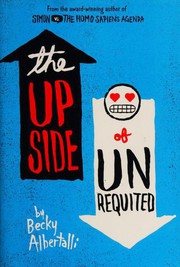
The Upside of Unrequited
Becky Albertalli
Warm, witty YA centered on body image, awkward romance, and found-family healing.
Pick this if you loved Phoebe’s candid, self-aware internal monologue about body image and slow-moving romance; this shares that warm, witty YA voice and a found-family arc.

Dumplin'
Julie Murphy
Confident, comedic take on plus-size heroine, friendship, and reclaiming self-worth.
Pick this if you were drawn most to the body-image and public-reclamation storyline. This one centers a plus-size heroine’s confidence-building with humor and friendship.

The Truth About Forever
Sarah Dessen
Sweet, funny YA romance with messy family life and healing emotional payoff.
Pick this if you responded to the novel’s healing-family and romantic payoff. This one mixes family messiness with a comforting emotional resolution similar in feel to Phoebe’s arc.

Emergency Contact
Mary H.K. Choi
Sharp, voice-driven contemporary about messy relationships and emotional honesty.
Pick this if you want a spare, emotionally honest contemporary that foregrounds messy relationships and text-driven intimacy; it’s more conversational and less focused on recovery work than Phoebe.

Love, Simon
Becky Albertalli
Warm, witty queer coming-of-age romance with relatable teen anxiety and humor.
Pick this if you appreciated Phoebe’s anxious-but-affectionate tone and want a similarly warm queer coming-of-age with relatable teen insecurity and humor.

Eliza and Her Monsters
Francesca Zappia
Heartfelt, awkward-teen voice and online-identity themes with romantic growth.
Pick this if it was Phoebe’s awkward, earnest teen voice and the navigation of online vs. real-life identity that attracted you. This shares that voice-forward, internet-era self-consciousness alongside romantic growth.

Fangirl
Rainbow Rowell
Gentle, character-focused story about anxiety, creative life, and growing up.
Pick this if you liked the anxious, socially awkward register and the way creative pursuits complicate coming-of-age. It shares Phoebe’s focus on personal growth and reluctant maturation rather than specific body-image therapy.
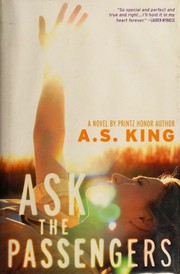
Ask the Passengers
A.S. King
Intense, introspective YA dealing with identity, family tension, and emotional stakes.
Pick this if it was Phoebe’s interior, sometimes raw emotional stakes that hooked you. This is a more introspective, sometimes surreal take on identity and family tension — a looser match for the recovery theme.

Tell Me Again How a Crush Should Feel
Sara Farizan
Humorous, queer YA with candid voice and themes of romance and self-discovery.
Pick this if you wanted the candid queer-romance energy and laugh-out-loud moments alongside real emotional beats. This is a good mood-and-romance match even if the exact issues differ.
At a glance
Matches were chosen on four concrete dimensions present in Phoebe: a candid, voice-forward narrator; central treatment of body image/recovery; realistically messy romances; and a supportive-but-flawed found family. Each recommendation shares some subset of those elements rather than an overall plot copycatry.
| Book | First published | Pages | Closest match on | Match |
|---|---|---|---|---|
The Upside of Unrequited Becky Albertalli | 2017 | 360 | Voice-forward body image | 92% |
Dumplin' Julie Murphy | 2015 | 400 | Plus-size empowerment arc | 90% |
The Truth About Forever Sarah Dessen | 2004 | 374 | Sweet family healing | 88% |
Emergency Contact Mary H.K. Choi | 2018 | 400 | Sharp, modern voice | 85% |
Love, Simon Becky Albertalli | 2018 | 272 | Warm, humorous queer coming‑of‑age | 84% |
Eliza and Her Monsters Francesca Zappia | 2017 | 409 | Online identity & awkward voice | 81% |
Fangirl Rainbow Rowell | 2013 | 443 | Anxiety & creative life | 80% |
Ask the Passengers A.S. King | 2012 | 315 | Intense introspection | 78% |
Tell Me Again How a Crush Should Feel Sara Farizan | 2014 | 304 | Queer, funny romance | 74% |
About Phoebe Berman's Gonna Lose It
Phoebe Berman’s Gonna Lose It is a contemporary young-adult novel by Brooke Averick that centers on a teen dealing with disordered eating, body-image anxiety and burgeoning romantic feelings. Averick writes in an intimate first-person voice that foregrounds therapy, recovery work and the uneven pace of healing.
Frequently asked questions
Which pick most closely matches Phoebe’s frank narrator and internal monologue?+
The Upside of Unrequited is the closest match for a warm, self-aware voice that mixes humor and anxiety about bodies and romance. Several other picks share voice-forward narration, but this one pairs candor with a body-image throughline similar to Phoebe’s.
I liked the recovery and body-image focus—what should I read next?+
Dumplin’ offers a confident, plus-size heroine reclaiming self-worth and visibility; it’s a strong match if the body-image arc and public-facing confidence work are what mattered to you.
Want more queer representation with a candid voice—where to start?+
Love, Simon and Tell Me Again How a Crush Should Feel both deliver candid, humorous explorations of identity and queer romance. Each handles voice and romantic uncertainty in ways that will feel familiar.
Which pick is more about anxiety and creative life than body image?+
Fangirl focuses on anxiety, creative identity and gradual growing-up rather than body-image recovery. Pick it if the social-anxiety/creative-work strand in Phoebe appealed most.
Want recommendations based on your own favorites?
BookTwin can match you to books by mood, pacing, themes, and emotional payoff — based on 1 to 5 books you tell it you loved.
Try BookTwin