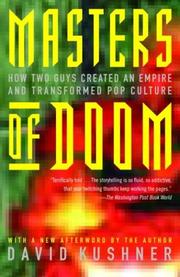
Books Like Masters of Doom
by David Kushner
Masters of Doom is a tightly reported, character-driven history of a cultural explosion: the rise of id Software and the two Johns — John Carmack and John Romero — who turned programming talent, rivalry and youthful bravado into the first blockbuster PC game, Doom. Kushner structures the story around personalities and pivotal sessions of coding, design and conflict, so the narrative alternates technical clarity (how engines, level design and mod culture worked) with close psychological portraiture of creative collaboration that implodes.
If Masters of Doom hooked you, it could be for different, specific reasons: the behind-the-scenes access into how software is actually made; the founder-versus-founder rivalry and its business fallout; the portrait of a nascent subculture that reshaped entertainment; or Kushner’s blend of tech explanation and human drama. The list below groups books that echo one or more of those elements — some match the tone and technophilia, others match the rivalry-and-personality drama — and each pick note tells you which dimension it shares most closely and where it diverges.
Recommended for fans of Masters of Doom

Hackers
Steven Levy
Foundational oral history of hacker culture and personalities shaping computing.
Pick this if you want the broad, oral‑history view of hacker personalities and the cultural currents that made home computing and modding possible — this is the closest contextual companion to Masters of Doom.

Console Wars
Blake J. Harris
Rivalry-driven narrative about industry founders and gaming's cutthroat business battles.
Pick this if it was the business rivalries, high-stakes dealmaking and the way two companies chase dominance that interested you — Console Wars maps that same cutthroat energy onto the console market.
The Soul of a New Machine
Tracy Kidder
Intimate, character-driven chronicle of engineers racing to build breakthrough hardware.
Pick this if you loved Kushner’s scenes of late-night coding and technical problem‑solving. Tracy Kidder’s book gives you the same intimate, shop‑floor portrait of engineers racing to ship breakthrough hardware.
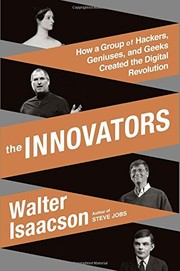
The Innovators
Walter Isaacson
Profiles of collaborative creators who built computing and the internet over decades.
Pick this if you wanted a sweeping, multi-decade account of collaborations and inventions across computing; this one gives broader context on innovators rather than a single-company origin story.

Valley of Genius
Adam Fisher
Day-by-day oral history of Silicon Valley’s early founders and transformative projects.
Pick this if you liked the mosaic of voices and the sense of a place producing talent. This book compiles day-by-day recollections from Valley founders and projects — a looser, more fragmentary match focused on people rather than one duo.

The Everything Store
Brad Stone
Inside look at a visionary founder reshaping an industry, with personality-driven reporting.
Pick this if you were drawn to the strong, sometimes abrasive leader figure at the center of Kushner’s story. This is a personality-driven corporate biography that shows how one visionary shaped an industry.
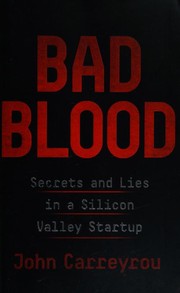
Bad Blood
John Carreyrou
Investigative, character-focused exposé of ambition, deception, and startup mythology.
Pick this if it was the imperial, Victorian‑style questing — the idea of striking out to find treasure and fortune — that appealed. This is a looser thematic fit emphasizing bold leadership and high-stakes expeditions rather than software specifics.
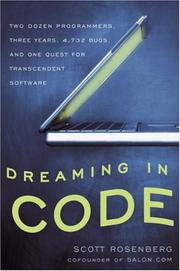
Dreaming in Code
Scott Rosenberg
Behind-the-scenes look at software development’s messy, human-driven creative process.
Pick this if you wanted a clear-eyed account of how software projects get messy, delayed and saved by personalities. This is a behind-the-scenes study of development processes and the human factors that derail or rescue projects.

Where Wizards Stay Up Late
Katie Hafner and Matthew Lyon
Lively account of the engineers who created the internet’s precursors and culture.
Pick this if you appreciated the chronicle of early internet and ARPANET engineers who built foundational systems; this is a lively account of the technical pioneers and the culture that shaped early networking.
At a glance
These matches were chosen on three axes most central to Masters of Doom: close, personality-driven reporting on founders; technical/creative process detail about software or hardware development; and rivalry-driven business drama that reshapes an industry. The percentage reflects how many of those dimensions a book shares with Kushner’s narrative voice and focus.
| Book | First published | Pages | Closest match on | Match |
|---|---|---|---|---|
Hackers Steven Levy | 1984 | 456 | Foundational hacker culture | 95% |
Console Wars Blake J. Harris | 2014 | 429 | Rival-driven industry drama | 88% |
The Soul of a New Machine Tracy Kidder | 1981 | 293 | Engineer-driven hustle | 87% |
The Innovators Walter Isaacson | 2014 | 583 | Collaborative tech histories | 85% |
Valley of Genius Adam Fisher | 2018 | — | Oral-history of founders | 82% |
The Everything Store Brad Stone | 2013 | 416 | Founder personality profile | 78% |
Bad Blood John Carreyrou | 2018 | 352 | Ambition & adventure in tech | 76% |
Dreaming in Code Scott Rosenberg | 2007 | 416 | Software development’s realities | 74% |
Where Wizards Stay Up Late Katie Hafner and Matthew Lyon | 1996 | 304 | Pioneer engineers’ origin story | 72% |
About Masters of Doom
Masters of Doom: How Two Guys Created an Empire and Transformed Pop Culture was published in 2003. David Kushner chronicles id Software’s formation, the development of Wolfenstein and Doom, and the personal and business fallout between Carmack and Romero, situating their story in the broader emergence of PC gaming and game modding.
Frequently asked questions
What should I read after Masters of Doom?+
If you want more of the hacker-and-hobbyist origin story, start with Hackers by Steven Levy. For a rivalrous, founder-focused business narrative, try Console Wars. If it was Kushner’s attention to engineering detail and team dynamics you liked, The Soul of a New Machine is the closest match.
Is Masters of Doom nonfiction and well-sourced?+
Yes. Kushner’s book is narrative nonfiction based on interviews, contemporaneous reporting and archival material; if you want further oral-history depth on hacker culture, Hackers is the foundational companion on this list.
Which book here explains how hardware or software is actually built?+
The Soul of a New Machine provides immersive, day-to-day engineering detail about building a breakthrough piece of hardware; Dreaming in Code is another pick that focuses on software development’s messy human side.
Are there other books by David Kushner like this one?+
Kushner has written other narrative nonfiction that blends detailed reporting with personal stories; if you liked his voice and research style in Masters of Doom, look for his other long-form works.
Want recommendations based on your own favorites?
BookTwin can match you to books by mood, pacing, themes, and emotional payoff — based on 1 to 5 books you tell it you loved.
Try BookTwin