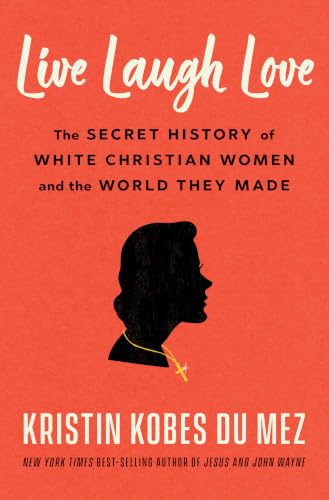
Books Like Live Laugh Love
by Kristin Kobes Du Mez
Live Laugh Love is a cultural‑history diagnostic: it traces how New Thought’s mind-over-matter self‑help theology fused with holiness evangelicalism to produce a distinct ecosystem of brands, media and everyday practices for white Christian women. Kristin Kobes Du Mez maps institutions (Christian bookstores, radio networks), commercial forms (Hallmark‑style media, multilevel marketing), and an aesthetic sensibility that turns spiritual well‑being into personal technique — treating belief as a set of lifestyle choices as much as doctrine.
Readers arrive at this book for different reasons. Some will want a careful institutional genealogy that explains how sermons, publishers and marketers reinforced one another; others will read to understand lived experience — how devotional practices, beauty ideals and entrepreneurial culture shaped family life and politics. Du Mez’s approach blends archival reporting, cultural analysis and attention to gendered rhetoric, so the best followups amplify one of those strands: institutional power, theological history, lived testimony, or the rhetorical mechanics that make belief feel like self‑management.
Recommended for fans of Live Laugh Love
Jesus and John Wayne
Kristin Kobes Du Mez
Connects evangelical gender ideals, popular culture, and conservative politics through a sweeping history of white evangelical masculinity.
Pick this if you want more of Du Mez’s analytical framework applied to gender, religion and politics — this is her own prior book and the clearest intellectual predecessor.
The Making of Biblical Womanhood
Beth Allison Barr
Reveals how historical forces transformed patriarchal gender roles into supposedly timeless Christian doctrine.
Pick this if you appreciated the way Du Mez historicizes contemporary gender ideals and want a scholarly account that traces how patriarchal roles became presented as timeless Christian doctrine.

Pure
Linda Kay Klein
Investigates evangelical purity culture through intimate stories of women confronting its enduring psychological and political legacy.
Pick this if you were most interested in the personal, psychological effects of evangelical culture on women; this book foregrounds survivors’ stories and the ongoing emotional legacy of purity movements.

The Power Worshippers
Katherine Stewart
Traces the institutions, money, and organizing networks behind Christian nationalism’s influence on American public life.
Pick this if you want detailed reporting on the organizations, money and media that give Christian political influence its infrastructure — a rigorous journalistic complement to Du Mez’s cultural analysis.

The Evangelicals
Frances FitzGerald
Offers an expansive narrative history of evangelicalism’s transformation into a powerful American political and cultural movement.
Pick this if you liked wide‑angle narrative history that situates contemporary movements in a longer, national story of evangelical political and cultural change.
One Nation Under God
Kevin M. Kruse
Shows how corporate interests helped fuse Christianity, free enterprise, and conservative national identity in modern America.
Pick this if your interest is in how business interests, branding and national identity blended with religious messaging; this book emphasizes the corporate and political partnerships that shaped modern faith culture.
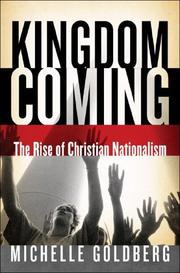
Kingdom Coming
Michelle Goldberg
Reports from the networks and communities that turned conservative Christianity into an organized political force.
Pick this if you want investigative, contemporary reporting on the communities and activist networks that turned conservative Christianity into organized political influence.

Sisters in Hate
Seyward Darby
Examines how white women enter and sustain extremist movements through identity, community, media, and grievance.
Pick this if you are focused on how identity, community and media draw white women into political or extremist movements. It’s not identical to Du Mez’s subject — this pick zeroes in on radicalization dynamics rather than mainstream evangelical consumer culture.
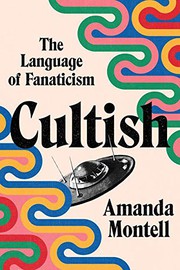
Cultish
Amanda Montell
Explores how persuasive language builds belonging across religion, wellness culture, lifestyle brands, and multilevel marketing.
Pick this if you were intrigued by Du Mez’s point about brands and rhetoric shaping women’s lives; this book analyzes the persuasive language and cultlike techniques used across religion, wellness and multilevel marketing.
At a glance
These matches were chosen for how they illuminate specific strands of Du Mez’s argument: institutional networks and money, the development of gendered doctrine, personal testimony about purity and domestic life, journalistic investigation into political organizing, and the rhetorical and commercial mechanisms that turn belief into lifestyle.
| Book | First published | Pages | Closest match on | Match |
|---|---|---|---|---|
Jesus and John Wayne Kristin Kobes Du Mez | 2020 | 377 | Authorial continuity | 97% |
The Making of Biblical Womanhood Beth Allison Barr | 2019 | 256 | Rewriting gender history | 94% |
Pure Linda Kay Klein | 2018 | 341 | Intimate lived testimony | 92% |
The Power Worshippers Katherine Stewart | 2020 | 368 | Institutions & power | 90% |
The Evangelicals Frances FitzGerald | 2017 | 740 | Comprehensive evangelical history | 89% |
One Nation Under God Kevin M. Kruse | 2015 | 352 | Religion + corporate America | 87% |
Kingdom Coming Michelle Goldberg | 2006 | 256 | Reporting on networks | 85% |
Sisters in Hate Seyward Darby | 2020 | 161 | Women in extremist movements | 83% |
Cultish Amanda Montell | 2021 | 320 | Language & belonging | 80% |
About Live Laugh Love
Live Laugh Love is a nonfiction cultural history by Kristin Kobes Du Mez, published September 2026, subtitled The Secret History of White Christian Women and the World They Made. Du Mez is the author of Jesus and John Wayne and builds here on her prior work connecting evangelical culture to gender and politics.
Frequently asked questions
How does Live Laugh Love relate to Jesus and John Wayne?+
Live Laugh Love continues Du Mez’s method of combining cultural analysis with archival research but shifts the focal point from evangelical masculinity to the networks and consumer culture shaping white Christian women. Jesus and John Wayne lays groundwork on gender and politics; this book applies similar tools to feminine life and institutions.
Which pick explains the institutional money and organizing behind these cultural forms?+
For institutional funding and organizational networks, The Power Worshippers is closely aligned, while The Evangelicals and One Nation Under God provide broader context on how institutions intersect with politics and commerce.
I liked Du Mez’s attention to women’s everyday experience — which book centers lived stories?+
Pure focuses on intimate, first‑person accounts of evangelical women's lives under purity culture and is the closest emotional and testimonial match on this list.
Does this book engage rhetoric and language — how movements persuade and retain followers?+
Yes. For a targeted look at how language, branding and recruitment create belonging across religion and commerce, Cultish is the best companion here.
Is this primarily historical or journalistic?+
Du Mez blends both: archival and historical analysis with contemporary reporting on institutions and culture. Several recommendations lean more journalistic (The Power Worshippers, Kingdom Coming), while others are more historical syntheses (The Evangelicals, One Nation Under God).
Want recommendations based on your own favorites?
BookTwin can match you to books by mood, pacing, themes, and emotional payoff — based on 1 to 5 books you tell it you loved.
Try BookTwin