
Books Like Keeper of Lost Children
by Sadeqa Johnson
Keeper of Lost Children is driven by a three-voice architecture and by difficult, specific historical work: it traces mixed‑race children abandoned in Occupied Germany after WWII, moving between an American officer’s wife who places those children with families, a U.S. soldier’s forbidden 1948 romance, and a 1965 Maryland girl who uncovers a family secret. That structure creates both a study in systems — military occupation, social prejudice, transatlantic aftereffects of wartime liaisons — and an intimate portrait of lineage, identity and caregiving across decades.
Readers reach for books like Keeper of Lost Children for different reasons. Some want the wide sweep of a multi‑generational family saga that links personal choices to structural forces; others are drawn to novels that reckon with race and belonging across borders; and some will be most engaged by the novel’s interlocking viewpoints and the slow revelation of a hidden past. The nine picks below are chosen to reflect those various affinities — narrative scope, themes of racial identity and legacy, and the emotional register of women navigating caretaking and moral compromise — so you can pick by the element you most responded to.
Recommended for fans of Keeper of Lost Children
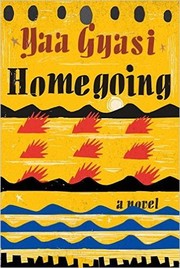
Homegoing
Yaa Gyasi
Ambitious multi‑generational sweep tracing racial legacy and family secrets across continents.
Pick this if you loved the novel’s ambition to trace a family’s legacy over generations and across continents — this one matches that scope most closely.
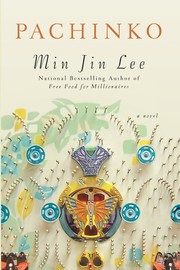
Pachinko
Min Jin Lee
Generational family saga about identity, belonging, and prejudice across countries.
Pick this if you responded to the transnational fallout of history and want a long, intimate portrait of a family navigating prejudice and endurance across countries.
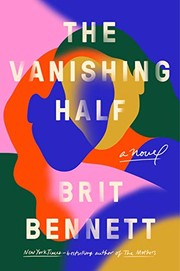
The Vanishing Half
Brit Bennett
Twinned sisters, racial passing, and intergenerational consequences of identity choices.
Pick this if you were intrigued by the seed’s grounding in a real‑world phenomenon and want another book that treats history as the engine of family fate.
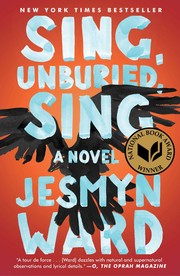
Sing, Unburied, Sing
Jesmyn Ward
Lyrical, multi‑perspective exploration of Black family trauma and legacy in the South.
Pick this if the intergenerational consequences of identity choices — passing, separation, and unresolved family secrets — were what gripped you; this one examines that terrain from intimate vantage points.
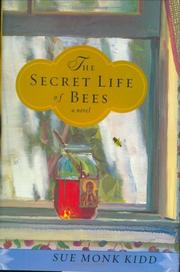
The Secret Life of Bees
Sue Monk Kidd
1960s Southern setting, motherhood, race tensions, and a young woman's identity quest.
Pick this if you valued the lyrical, multi‑perspective exploration of Black family trauma in a Southern setting — pick this for poetic language and haunted family memory.
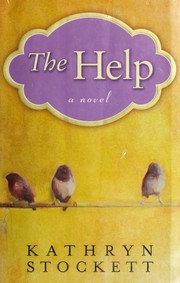
The Help
Kathryn Stockett
Women’s perspectives in racialized 1960s America with caregiving and moral reckonings.
Pick this if you were drawn to female narrators in racially fraught 1960s America negotiating caregiving and moral reckoning; this matches the era and gendered viewpoint closely.
Americanah
Chimamanda Ngozi Adichie
Deep exploration of race, identity, and belonging across continents and generations.
Pick this if you wanted deep, contemporary interrogations of race and identity across migration and return — it shares thematic questions about selfhood and belonging, though its structure differs.
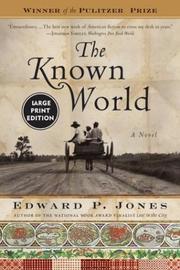
The Known World
Edward P. Jones
Complex historical novel about race, power, and tangled family legacies in America.
Pick this if you appreciated novels that complicate race, power and family legacy within a dense historical framework — this is a serious, morally intricate match rather than a tonal one.
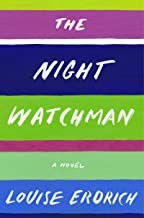
The Night Watchman
Louise Erdrich
Multi‑voiced midcentury story mixing personal family stakes with broader political issues.
Pick this if you liked the seed’s multi‑voiced approach to personal stakes against larger political issues; note that this one’s setting and cultural frame differ, so treat it as a match for structure more than for specific historical details.
At a glance
Matches were chosen along three axes that matter for this seed: multi‑generational family sweep and linked secrets; cross‑border questions of race, identity, and belonging; and a multi‑perspective narrative voice that foregrounds women, caregiving, and moral complexity.
| Book | First published | Pages | Closest match on | Match |
|---|---|---|---|---|
Homegoing Yaa Gyasi | 2016 | 320 | Multigenerational family sweep | 95% |
Pachinko Min Jin Lee | 2017 | 512 | Cross‑border family saga | 90% |
The Vanishing Half Brit Bennett | 2020 | 376 | Historical true‑to‑life resonance | 88% |
Sing, Unburied, Sing Jesmyn Ward | 2017 | 304 | Twinned identity consequences | 85% |
The Secret Life of Bees Sue Monk Kidd | 2000 | 303 | Lyrical Southern family trauma | 80% |
The Help Kathryn Stockett | 2009 | 479 | 1960s women’s perspectives | 78% |
Americanah Chimamanda Ngozi Adichie | 1969 | 592 | Race & belonging across borders | 75% |
The Known World Edward P. Jones | 2003 | 403 | Complex historical family power | 72% |
The Night Watchman Louise Erdrich | 2020 | 464 | Multi‑voiced midcentury stakes | 70% |
About Keeper of Lost Children
Keeper of Lost Children is a multi‑generational historical novel told from three viewpoints: an American officer’s wife (based on real‑life Mabel Grammer) working to place abandoned mixed‑race children in Occupied Germany, a U.S. soldier’s forbidden 1948 romance in Germany, and a girl in 1965 Maryland who discovers a secret about her identity. The novel interweaves postwar transatlantic realities with midcentury American reckonings about race and family.
Frequently asked questions
Which of these is the closest match if I loved the multi‑generational sweep?+
Homegoing is the closest fit for sheer multigenerational ambition and for tracking how personal choices echo across continents and generations; Pachinko is a very strong alternative if you value an immigrant family saga that spans countries and decades.
Which pick best mirrors the cross‑border, race‑and-belonging themes?+
Pachinko and Americanah most directly engage questions of identity and belonging across national borders. Pachinko focuses on longitudinal family survival under prejudice, while Americanah examines race and selfhood through migration and return.
I connected most to the 1960s U.S. perspective and a young woman searching for identity — what should I read?+
The Secret Life of Bees shares a 1960s Southern setting and a young woman’s search for identity within charged racial dynamics; Sing, Unburied, Sing also offers a lyrical, family‑centered perspective on trauma and legacy in the South.
Are there books here that handle race and moral compromise through women’s perspectives?+
Yes. The Help and The Vanishing Half both center women making fraught choices shaped by race, caregiving and survival, though they take different tonal and structural approaches.
Want recommendations based on your own favorites?
BookTwin can match you to books by mood, pacing, themes, and emotional payoff — based on 1 to 5 books you tell it you loved.
Try BookTwin