
Books Like James
by Percival Everett
Percival Everett’s James is a razor-sharp satirical novel that remixes a canonical 19th‑century text to confront modern American race politics, narrative expectation, and the violence of representation. Everett gives us a protagonist named James whose very existence — his complexion, biography and the stories told about him — becomes a battleground for how race is narrated, commodified and legislated. The book repeatedly undercuts melodrama with ironic distance, deploys formal tricks (shifts in voice, parodic pastiche) and keeps moral seriousness close to absurdist humor.
Readers come to James for different reasons: some want blistering satirical attack on racial stereotypes and the publishing industry; others want formal experimentation that toys with genre and point-of-view; others still want the moral perplexities that arise when historical trauma is refracted through contemporary irony. The nine books below were chosen to reflect those specific hooks — from ferocious, contemporary satire to multigenerational social comedy to micro‑observational formal play — and each note explains exactly which part of Everett’s book it echoes and where it departs.
Recommended for fans of James
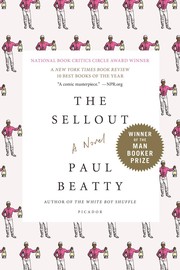
The Sellout
Paul Beatty
Ferocious satire about race and identity delivered with absurdist, provocative humor.
Pick this if you want the closest tonal match: furious, provocative satire that weaponizes absurdity to expose racial hypocrisy.

The Brief Wondrous Life of Oscar Wao
Junot Díaz
Energetic, painful comic exploration of identity, family trauma, and cultural history.
Pick this if you liked Everett’s ability to blend comic energy with intergenerational trauma; choose this if you want a voice that is exuberant, sorrowful and formally bold.

White Teeth
Zadie Smith
Witty, multigenerational social satire that mixes identity politics with energetic narrative voice.
Pick this if you liked James’s wide social canvas and witty, polyphonic energy — reach for this if you want intertwined family sagas and sharp social observation.
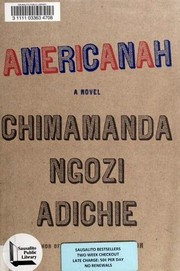
Americanah
Chimamanda Ngozi Adichie
Sharp observations on race, immigration, and selfhood with clear prose and emotional depth.
Pick this if you appreciated Everett’s clear-eyed, humane exploration of identity and want a novel that treats race and migration with sustained emotional clarity rather than formal irony.
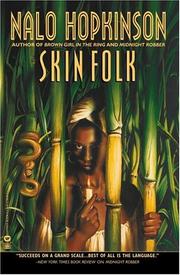
Skin Folk
Nalo Hopkinson
Sharp, satirical short fiction mixing racial identity, myth, and moral ambiguity.
Pick this if you want concentrated, sharp pieces interrogating race and myth in compact form — similar moral bite to James but in short‑story format.

We Cast a Shadow
Maurice Carlos Ruffin
Dark, satirical dystopia tackling race and assimilation with unsettling, corrosive voice.
Pick this if you want satire that turns toward outright dystopia and corrosive social critique; note that this is darker and more punitive in tone than James.
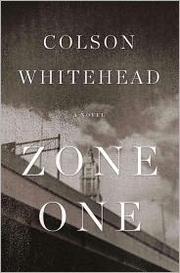
Zone One
Colson Whitehead
Darkly comic, genre-bending take on American life and survival with sharp social critique.
Pick this if you’re drawn to Everett’s willingness to mix genres and to use speculative or genre elements to amplify social critique; this carries that impulse into a survivorship narrative.
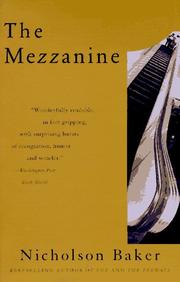
The Mezzanine
Nicholson Baker
Micro-observational prose and formal playfulness that turns small details into philosophical satire.
Pick this if it was Everett’s formal play and attention to small, comical detail that you loved. This is a looser thematic fit but a close match for idiosyncratic, playful prose and philosophical asides.
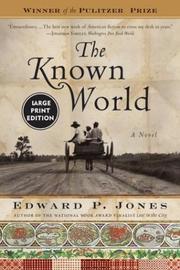
The Known World
Edward P. Jones
Complicated moral portrait of race and power rendered in restrained, powerful storytelling.
Pick this if you appreciated James’s mixture of humor and pain about identity and family; pick this for an energetic, voice-driven exploration of cultural history and trauma.
At a glance
Selections were chosen along three axes that define James: ferocious social satire about race and identity; formal playfulness and voice‑driven comedy; and moral seriousness beneath ironic distance. Each pick matches at least one of those axes rather than claiming wholesale similarity.
| Book | First published | Pages | Closest match on | Match |
|---|---|---|---|---|
The Sellout Paul Beatty | 2015 | 304 | Absurdist racial satire | 92% |
The Brief Wondrous Life of Oscar Wao Junot Díaz | 2007 | 347 | Painful comic realism | 85% |
White Teeth Zadie Smith | 2000 | 528 | Multigenerational social comedy | 82% |
Americanah Chimamanda Ngozi Adichie | 1969 | 592 | Immigrant identity focus | 78% |
Skin Folk Nalo Hopkinson | 2001 | 255 | Satirical short fiction | 78% |
We Cast a Shadow Maurice Carlos Ruffin | 1920 | 344 | Dark satirical dystopia | 76% |
Zone One Colson Whitehead | 2011 | 280 | Genre‑bending social critique | 72% |
The Mezzanine Nicholson Baker | 1988 | 135 | Formalist micro‑satire | 70% |
The Known World Edward P. Jones | 2003 | 403 | Energetic, tragicomic identity | 68% |
About James
James was published in 2022 and is an explicit, witty engagement with Uncle Tom’s Cabin and with ongoing American debates over race, identity and representation. Percival Everett has repeatedly used satire and formal invention across his career — including Erasure and I Am Not Sidney Poitier — and James continues that pattern of revising literary history to expose contemporary blind spots.
Frequently asked questions
What if I liked James’s satire but want something darker?+
We Cast a Shadow shares James’s satirical aim but pushes into dystopian cruelty and sustained misanthropy; it’s darker in tone and more corrosive in its worldbuilding than Everett’s irony.
Which book on this list is the closest pure satire on race today?+
The Sellout is the closest in sustained, absurdist satire about race and American institutions; it matches James’s ferocity and provocative humor most directly.
Which pick resembles Everett’s formal playfulness?+
The Mezzanine is the clearest formal cousin: micro‑observational prose and playful formal experiments — a looser fit thematically but useful if you liked James’s formal games.
I loved Everett’s other novels — where next?+
If you want more of Everett’s satirical range and formal risk, try his novels Erasure and I Am Not Sidney Poitier, which foreground similar impulses toward parody and cultural critique.
Want recommendations based on your own favorites?
BookTwin can match you to books by mood, pacing, themes, and emotional payoff — based on 1 to 5 books you tell it you loved.
Try BookTwin