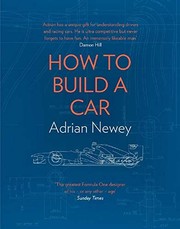
Books Like How to Build a Car
by Adrian Newey
How to Build a Car reads as an engineer’s memoir and a masterclass in design at once. Adrian Newey traces the decisions, trade-offs and obsessive attention to detail that turn sketches into race-winning machines: wind-tunnel days, suspension geometry, aerodynamic riffs that shave tenths, and the team structures that let ideas survive the paddock pressure. The narrative alternates technical clarity (why a wing shape or a diffuser behaves as it does) with cockpit-side anecdotes — design meetings with drivers, wake-up calls from testing, and the managerial tensions of delivering performance under a season-long clock.
If you loved Newey’s book, you probably responded to one of a few specific things: the deep, explainable engineering insight; the insider’s chronology of moving between Williams, McLaren and Red Bull; or the way technical choices are human choices made under stress. The nine recommendations below are chosen to match those different hooks — from mechanic-to-engineer memoirs and team-principal strategy guides, to compact technical primers and narrative accounts of rivalries that illuminate the stakes behind every aerodynamic decision.
Recommended for fans of How to Build a Car
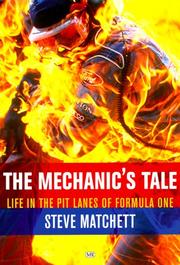
The Mechanic's Tale
Steve Matchett
Mechanic-turned-insider memoir with technical detail and paddock stories.
Pick this if you want the workshop-floor counterpoint to Newey’s designer view: gritty, practical stories of what broken parts and late-night fixes actually mean for performance.

Total Competition
Ross Brawn
Team principal’s strategic view on engineering, competition and winning.
Pick this if you want a strategic, leader’s perspective on how engineering choices are marshalled into race-winning programs — a higher-level complement to Newey’s hands-on explanations.

The Science of Formula 1 Design
David Tremayne
Clear, engineer-focused explanations of F1 car design and aerodynamics.
Pick this if you’re after concise, engineer-focused explanations of F1 aerodynamics and design principles that expand on the technical chapters in Newey’s book.

The Limit
Michael Cannell
Fast-paced narrative about Senna and Prost captures competitive engineering drama.
Pick this if you liked the drama behind technical choices and want a narrative that shows how personality clashes and rivalries accelerate innovation and risk on the track.
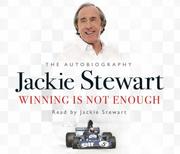
Winning Is Not Enough
Jackie Stewart
Driver memoir mixing engineering appreciation with personal racing reflections.
Pick this if you enjoyed Newey’s respect for drivers’ input; this memoir comes from a champion driver who frequently discusses car balance and technical feedback.
Life at the Limit
Mark Hughes
Combines F1 technical evolution with human stories and dramatic moments.
Pick this if you want a blend of F1’s technical changes and the human cost and drama that accompanied them — similar ground to Newey but broader in episodic scope.

Speed Secrets
Ross Bentley
Driver-focused techniques and engineering thinking to extract performance.
Pick this if you seek practical, driver-focused techniques that intersect with engineering thinking about extracting lap-time — useful if you liked Newey’s performance-driven mindset.
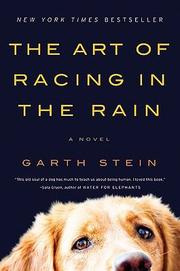
The Art of Racing in the Rain
Garth Stein
Fictional but emotionally rich look at driving, technique, and human passion.
Pick this if you want a novel that explores driving technique and racing passion rather than design detail — this is the loosest match and is an emotional, not technical, echo.

Engines of Change
Paul Ingrassia
Broad history of automotive engineering and culture informing modern design.
Pick this if you appreciated the historical context for design decisions and want a broader history of automotive engineering that situates modern F1 practice within industry-wide change; this is more general and less focused on contemporary F1 detail.
At a glance
Matches here weigh three axes: granular engineering explanation, paddock-insider memoir tone, and strategic/team-level thinking about winning. Picks score higher when they share multiple axes (technical detail + inside stories); lower when they touch just one (e.g., driver psychology or broad automotive history).
| Book | First published | Pages | Closest match on | Match |
|---|---|---|---|---|
The Mechanic's Tale Steve Matchett | 1999 | 176 | Paddock-level mechanic detail | 92% |
Total Competition Ross Brawn | 2016 | 336 | Team strategy & leadership | 90% |
The Science of Formula 1 Design David Tremayne | 2006 | 176 | Clear engineering primer | 88% |
The Limit Michael Cannell | 2011 | 336 | Rivalry-driven urgency | 85% |
Winning Is Not Enough Jackie Stewart | 2007 | 562 | Driver’s engineering appreciation | 82% |
Life at the Limit Mark Hughes | 1997 | 258 | Technical evolution + human stories | 80% |
Speed Secrets Ross Bentley | 2011 | 336 | Driver technique & performance | 75% |
The Art of Racing in the Rain Garth Stein | 2008 | 321 | Emotional, driving-focused fiction | 68% |
Engines of Change Paul Ingrassia | 2012 | 395 | Automotive engineering history | 65% |
About How to Build a Car
How to Build a Car is Adrian Newey’s account of his career as a Formula 1 designer and technical leader. It mixes technical explanation with autobiographical episodes from his time at Williams, McLaren and Red Bull, and has been cited widely as a go-to insider view of modern F1 design.
Frequently asked questions
I loved the engineering detail in How to Build a Car. What should I read next?+
Start with The Science of Formula 1 Design for more engineer-focused explanations of aerodynamics and chassis engineering; it keeps the technical rigor rather than shifting to memoir.
Which pick gives the best insider, workshop-floor perspective?+
The Mechanic's Tale is written by a former mechanic and gives nuts-and-bolts paddock stories that complement Newey's designer viewpoint.
Are there books that explain team strategy and how engineering decisions fit into winning races?+
Total Competition by Ross Brawn emphasizes team structure, strategy and the management of engineering resources — the broad strategic lens Newey occasionally sketches but doesn’t fully explore.
I want narrative drama around rival designers and drivers—any recommendations?+
The Limit offers a fast-paced, rivalry-driven account of Senna and Prost that surfaces the competitive engineering drama and high stakes that push design choices.
Is there a lighter or fictional alternative that still captures driving technique and passion?+
The Art of Racing in the Rain is a fictional, emotionally driven book that explores driving technique and love of racing — it’s the loosest technical fit here but a strong emotional companion.
Want recommendations based on your own favorites?
BookTwin can match you to books by mood, pacing, themes, and emotional payoff — based on 1 to 5 books you tell it you loved.
Try BookTwin