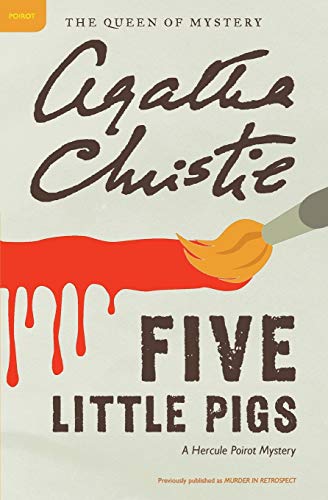
Books Like Five Little Pigs
by Agatha Christie
Five Little Pigs is a reconstruction mystery built around memory, motive and method: Hercule Poirot reopens a sixteen‑year‑old poisoning case at the request of the accused woman’s grown daughter, then reassembles the past by interviewing the five surviving witnesses whose contradictory accounts echo the nursery rhyme. The novel’s engine is psychological — Christie asks readers to weigh unreliable testimony, self‑deception and the ways time reshapes recollection rather than to follow new physical clues or a chase scene.
Readers come to this book for different reasons. You might have loved the puzzle of triangulating truth from biased witnesses, the quiet, almost forensic interviewing technique Poirot uses, or the way Christie stages motive and family dynamics without flashy action. Below are nine books chosen for how closely they match those precise elements — emphasis on reconstruction, unreliable memory, courtroom‑adjacent moral pressure, or a detective who works chiefly with testimony and logic.
Recommended for fans of Five Little Pigs
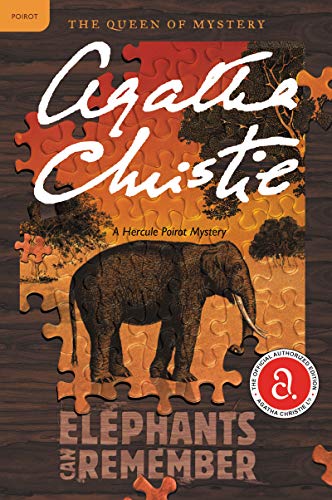
Elephants Can Remember
Agatha Christie
Poirot investigates a long-ago tragedy through conflicting memories, uncertain testimony, and careful psychological reconstruction.
Pick this if you wanted another Poirot investigation that unpicks long‑ago events through conflicting memories and careful psychological reconstruction.
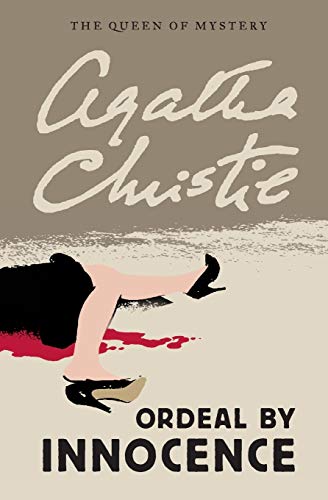
Ordeal by Innocence
Agatha Christie
New evidence reopens a family murder and exposes the emotional damage caused by a possibly wrongful conviction.
Pick this if you were drawn to a case reopened by fresh information and to the way a single new fact exposes longstanding emotional damage.
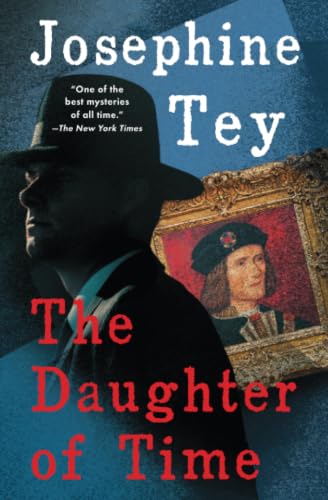
The Daughter of Time
Josephine Tey
An immobilized detective reassesses an old crime using documents, logic, and skepticism toward accepted history.
Pick this if you liked the immobilized‑detective or deskbound thinker who reassesses an old crime from documents and logic rather than fieldwork (note: this is not by Christie but it mirrors the intellectual approach).
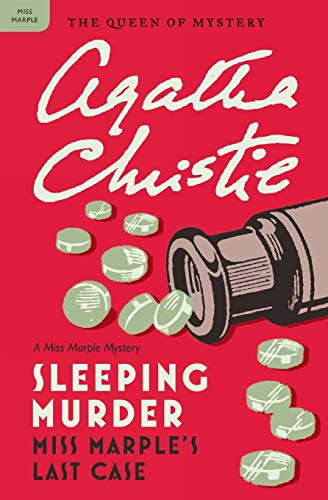
Sleeping Murder
Agatha Christie
Miss Marple reconstructs a buried murder from fragmentary memories and the recollections of people connected to the past.
Pick this if you appreciated a detective piecing together a past crime from fragmentary recollection and the testimony of those who remember it differently.
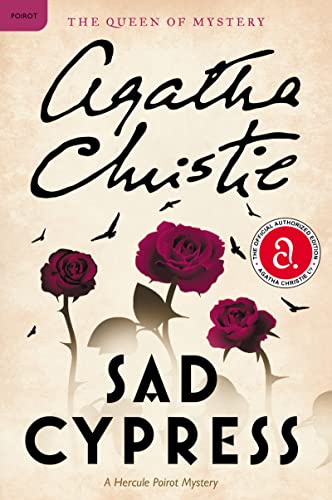
Sad Cypress
Agatha Christie
Poirot challenges an apparently convincing poisoning case against a woman whose motives and opportunity seem damning.
Pick this if you wanted another Poirot who questions an apparently airtight poisoning case and teases out motive, opportunity and character under pressure.
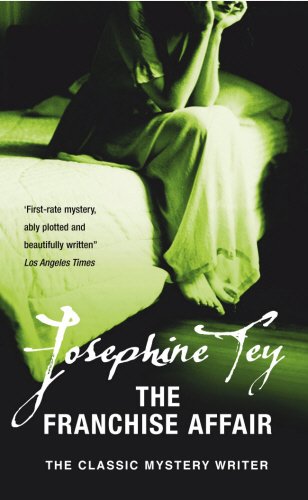
The Franchise Affair
Josephine Tey
A lawyer tests persuasive accusations by patiently examining testimony, character, and inconsistencies hidden beneath public certainty.
Pick this if you liked watching a narrator or investigator probe persuasive accusations by scrutinizing testimony, personality and inconsistencies beneath public certainty.
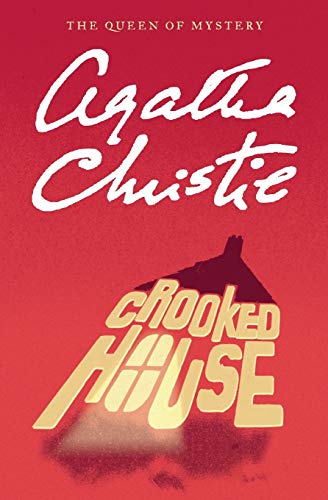
Crooked House
Agatha Christie
A wealthy family’s poisonous relationships are scrutinized after a patriarch’s murder within an intimate closed circle.
Pick this if it was the poisonous family relationships and the closed‑circle atmosphere that gripped you; here the intimate household becomes the primary crime scene.
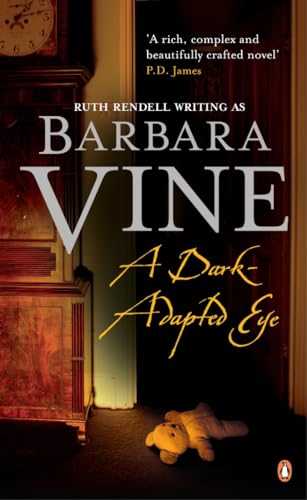
A Dark-Adapted Eye
Barbara Vine
A family member revisits an old murder conviction, uncovering layered memories, resentments, and long-concealed truths.
Pick this if you respond to a relative or insider returning to an old conviction and uncovering layered resentments, unreliable memories and hidden motives.
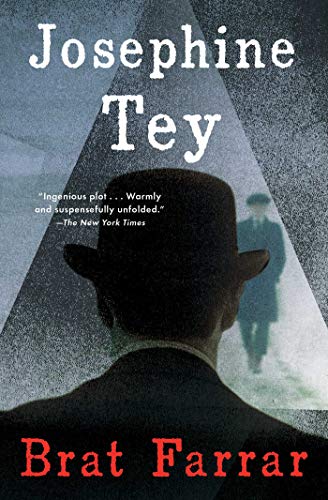
Brat Farrar
Josephine Tey
An inheritance claim forces a troubled family to confront an old disappearance and conflicting versions of its history.
Pick this if you were interested in how claims on inheritance and identity force a family to confront conflicting versions of a past disappearance or crime.
At a glance
Matches were selected for shared mechanics: reopening an old case, narrative built from multiple recollections, a detective’s reconstruction of events, and an emphasis on psychology and testimony over forensic action.
| Book | First published | Pages | Closest match on | Match |
|---|---|---|---|---|
Elephants Can Remember Agatha Christie | 1972 | 224 | Memory‑driven reconstruction | 96% |
Ordeal by Innocence Agatha Christie | 1958 | 249 | Reopened family crime | 94% |
The Daughter of Time Josephine Tey | 1951 | 207 | Detective as reviser of history | 92% |
Sleeping Murder Agatha Christie | 1976 | 236 | Buried memories revealed | 90% |
Sad Cypress Agatha Christie | 1940 | 239 | Poirot vs. convincing case | 89% |
The Franchise Affair Josephine Tey | 1948 | 288 | Testing testimony & character | 87% |
Crooked House Agatha Christie | 1949 | 219 | Toxic family dynamics | 86% |
A Dark-Adapted Eye Barbara Vine | 1986 | 304 | Revisiting old convictions | 84% |
Brat Farrar Josephine Tey | 1949 | 254 | Inheritance & identity pressure | 82% |
About Five Little Pigs
Five Little Pigs is Agatha Christie’s 1942 Hercule Poirot mystery. Sixteen years after a painter was poisoned and his wife convicted, their daughter asks Poirot to establish her mother’s innocence; with no fresh physical evidence, Poirot reconstructs the past by interviewing the five surviving witnesses. The structure deliberately echoes the nursery rhyme that gives the book its title.
Frequently asked questions
Is Five Little Pigs a typical Christie puzzle or more of a character study?+
It’s both. The setup is a classic Christie cold case, but the novel spends most of its time as a character study: Poirot teases apart five subjective versions of the same episode to reach a logical conclusion.
Which other Christie novels feature the same method of investigation?+
Elephants Can Remember and Sad Cypress use similarly testimonial, memory‑focused techniques, while Ordeal by Innocence also reopens a family crime when new information appears.
Do these books reveal their solutions the same way as Five Little Pigs?+
Some do: Elephants Can Remember and Sad Cypress work by sorting memory and motive, whereas Crooked House and Brat Farrar place more emphasis on family dynamics and inheritance pressures. Each reaches its resolution through a mixture of testimony and deduction rather than modern forensics.
If I liked Poirot’s interview style here, where should I go next?+
Start with Elephants Can Remember for a very close match in method, then Sad Cypress and Ordeal by Innocence for other Poirot or Christie treatments of reopened cases and contested guilt.
More books by Agatha Christie
See all 10 Agatha Christie guides →Want recommendations based on your own favorites?
BookTwin can match you to books by mood, pacing, themes, and emotional payoff — based on 1 to 5 books you tell it you loved.
Try BookTwin