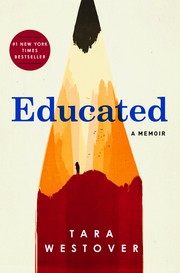
Books Like Educated
by Tara Westover
Educated is driven by a specific, wrenching contrast: the claustrophobic rules of a survivalist household versus the expansive, destabilizing world of formal education. Tara Westover recounts being raised without birth records or school, working in her father's junkyard and attending to dangerous family chores, then teaching herself enough to enter college and eventually earn a doctorate. The memoir's power comes from its painstaking attention to memory, the slow recalibration of intimacy and doubt, and the way learning functions as both refuge and moral dilemma.
If you loved Educated, you might be after different things: a spare, precise voice that interrogates how families shape identity; catharsis in the act of leaving and remaking oneself; eyewitness accounts of religious or rural isolation; or memoirs that balance harrowing detail with sly resilience. The selections below are ordered by how many of those elements each shares with Westover’s book, and every pick note explains whether it’s a close tonal relative, a parallel in subject, or simply a useful contrast for readers wanting to understand Education’s landscape more fully.
Recommended for fans of Educated

The Glass Castle
Jeannette Walls
Memoir of chaotic, neglectful family and self-made escape through writing and education.
Pick this if you wanted another clear-eyed account of a neglectful household and the hard work of leaving via education and selfhood; this is the closest match.

The Sound of Gravel
Ruth Wariner
Harrowing Mormon upbringing memoir about escape, faith, and rebuilding life through hope.
Pick this if the Mormon upbringing and themes of escape and rebuilding drew you in — it’s very close on faith, isolation and the practical hazards of large families.
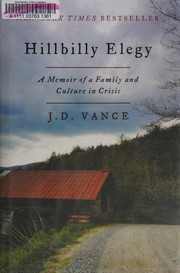
Hillbilly Elegy
J. D. Vance
Personal account of poverty, family dysfunction, and upward mobility through education.
Pick this if you were drawn to the social and economic analysis of upward mobility from a troubled background; it foregrounds structural context more than Westover’s emphasis on memory.
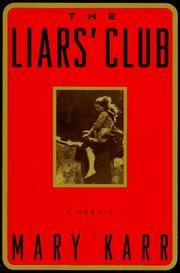
The Liars' Club
Mary Karr
Razor-sharp memoir about a turbulent childhood, memory, and surviving family trauma.
Pick this if you loved Westover’s probing of recollection and language; this memoir shares a blistering, economical voice that interrogates how memory shapes narrative.
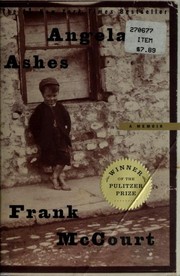
Angela's Ashes
Frank McCourt
Lyrical memoir of impoverished childhood and the drive to transcend hardship.
Pick this if you were moved by lyrical rendering of poverty and the will to transcend hardship; it’s more lyrical and narrator-focused than Westover’s documentary attention to facts and paperwork.
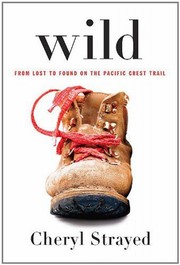
Wild
Cheryl Strayed
Physical and emotional journey memoir about reclaiming identity after family breakdown.
Pick this if you wanted the aspect of personal reclamation through travel and solitude rather than the sibling-and-family dynamics; it’s more pilgrimage than childhood excavation.
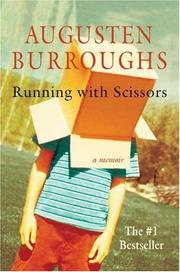
Running with Scissors
Augusten Burroughs
Darkly comic memoir of an absurd, dysfunctional upbringing and survival through voice.
Pick this if you appreciated a memoir voice that survives trauma through sharp, sardonic humor. This is looser on the education-through-institution arc but close on tone as a coping mechanism.
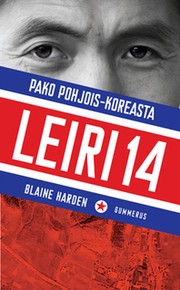
Escape from Camp 14
Blaine Harden
Account of brutal upbringing, indoctrination, and escape from an isolated, oppressive system.
Pick this if you wanted another nonfiction account of an oppressive upbringing and the logistics of escape; it’s comparable in the theme of fleeing an isolated, brutal environment, though the geopolitical context differs.
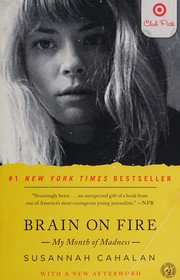
Brain on Fire
Susannah Cahalan
Medical-mystery memoir about identity loss and reclaiming self under extreme circumstances.
Pick this if it was the forensic interest in identity, diagnosis and reclaiming self that appealed to you. This one’s a medical-mystery memoir, so the family-abuse frame is minimal.
At a glance
Matches were chosen for family dynamics, the role of education or escape, narrative voice that interrogates memory, and the emotional trajectory from confinement to autonomy — the dimensions that define Westover’s memoir rather than generic ‘inspiring’ labels.
| Book | First published | Pages | Closest match on | Match |
|---|---|---|---|---|
The Glass Castle Jeannette Walls | 2005 | 347 | Chaotic family & escape | 95% |
The Sound of Gravel Ruth Wariner | 2016 | 352 | Religious, frontier upbringing | 90% |
Hillbilly Elegy J. D. Vance | 2016 | 272 | Upward mobility via education | 88% |
The Liars' Club Mary Karr | 1995 | 320 | Razor-sharp memory work | 85% |
Angela's Ashes Frank McCourt | 1996 | 432 | Poetic poverty portrait | 82% |
Wild Cheryl Strayed | 1767 | 363 | Solo physical & emotional journey | 80% |
Running with Scissors Augusten Burroughs | 2002 | 320 | Darkly comic survival voice | 78% |
Escape from Camp 14 Blaine Harden | 2012 | 256 | Escape from oppressive system | 70% |
Brain on Fire Susannah Cahalan | 2012 | 288 | Identity loss & recovery | 65% |
About Educated
Educated is Tara Westover’s 2018 memoir about growing up in a strict, survivalist family in rural Idaho, having little to no formal schooling, and eventually earning admission to college and a PhD. The book was a bestseller and received widespread critical acclaim for its candid examination of memory, family allegiance and self-invention.
Frequently asked questions
What other memoir should I read after Educated?+
If you want the closest structural and thematic echo — a chaotic upbringing and escape via education or self-reinvention — start with The Glass Castle or The Sound of Gravel. Each wrestles in a different register with parental neglect, faith or survival and the costs of leaving.
Which picks capture the religious or rural isolation in Educated?+
The Sound of Gravel addresses a strict Mormon upbringing and the isolation that comes with it; Hillbilly Elegy examines the social and cultural dimensions of rural white America. Both look at how community and faith shape options and identities.
Which of these is funniest or more ironic in tone?+
Running with Scissors leans into dark comedy and absurdity as a survival mechanism; The Liars' Club mixes razor-sharp humor with brutal memory work. Expect different balances of wit and pain compared with Westover’s more sober interrogation.
Are any of these strictly about mental or medical breakdowns rather than family abuse?+
Yes. Brain on Fire is focused on a medical-mystery that erases and restores identity, so it shares Educated’s questions about who you are when memory and agency are compromised — but it’s primarily a diagnostic narrative, not a family-breakup memoir.
Do any of these tell an escape-from-oppression true story rather than a childhood memoir?+
Escape from Camp 14 is a nonfiction account of escape from an oppressive, isolated system; it parallels Educated’s themes of leaving an abusive environment, though the political and institutional contexts are very different from Westover’s family story.
Want recommendations based on your own favorites?
BookTwin can match you to books by mood, pacing, themes, and emotional payoff — based on 1 to 5 books you tell it you loved.
Try BookTwin