
Books Like Dissection of a Murder
by Jo Murray
Dissection of a Murder is built like a legal puzzle: Leila Reynolds, a barrister on her first murder trial, must defend a silent defendant while the opposing prosecutor is her own husband. The novel foregrounds courtroom mechanics—objection exchanges, witness examination, evidentiary maneuvering—and layers them with a ticking personal pressure as anonymous threats force Leila to confront secrets from her past. The silence of the accused turns testimony into performance; every tactic on the record carries off‑record stakes.
Readers come to a book like this for distinct reasons. Some want meticulous trialcraft and the intellectual sparring of prosecution versus defense. Others are drawn to the claustrophobic domestic collision—a marriage tested by professional rivalry and ethical compromise. And many will be there for the psychological twists that reframe motive and memory as the case unfolds. The selections below are chosen so you can pick the element of Dissection of a Murder you most enjoyed: procedure, moral ambiguity, a silent/unreliable figure, or the intimate dangers that spill from courtroom spectacle into private life.
Recommended for fans of Dissection of a Murder
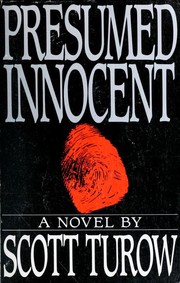
Presumed Innocent
Scott Turow
Twisty courtroom drama with conflicted prosecutor-defendant personal entanglements.
Pick this if you want the tight personal entanglement of prosecutor and defense counsel—the ethical crossfires and marital strain—handled with procedural savvy.
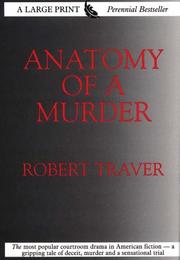
Anatomy of a Murder
Robert Traver
Classic, meticulous courtroom procedure and a complex, morally ambiguous trial.
Pick this if you liked the trial shown in technical detail and the moral gray areas; this is a classic example of courtroom mechanics driving ethical complexity.

Defending Jacob
William Landay
Lawyer forced to defend a loved one accused of murder, family secrets exposed.
Pick this if you were moved by how private loyalties and family secrets complicate legal duties; this focuses on a lawyer forced to protect a loved one and the costs that follow.
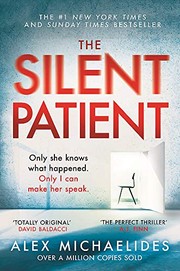
The Silent Patient
Alex Michaelides
Silent defendant and psychological twists centered on hidden past trauma.
Pick this if the silent defendant and the psychological unspooling of past trauma were what gripped you; this centers that exact conceit in a thriller format.

The Lincoln Lawyer
Michael Connelly
Defense attorney juggling ethics, danger, and a case that spirals morally complex.
Pick this if you want a defense attorney juggling ethics, danger, and a case that becomes morally complex — similar professional stakes with a different tone and setting.
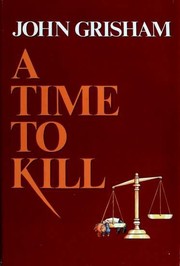
A Time to Kill
John Grisham
High-stakes southern courtroom battle, personal vendettas, emotional moral dilemmas.
Pick this if you appreciated emotionally charged, high‑stakes trials where personal vendettas and community feeling shape legal strategy and outcomes.
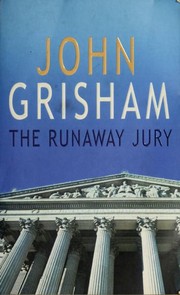
The Runaway Jury
John Grisham
Courtroom strategy, manipulation, and hidden agendas driving suspenseful trial drama.
Pick this if you enjoyed the tactical side of trials—how evidence and persuasion are engineered; this bares the mechanics of courtroom manipulation more explicitly.
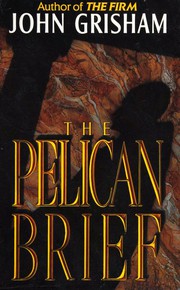
The Pelican Brief
John Grisham
Legal conspiracy tied to powerful figures, investigative tension and mounting threats.
Pick this if the anonymous threats and powerful figures behind a case drew you in; this match emphasizes legal conspiracy and investigative peril beyond the courtroom.

The Judge's List
John Grisham
A judge at the story's center, chilling secrets, and tense legal unraveling.
Pick this if it was the fact that a judge sits at the story's center and that hidden, chilling secrets unravel the legal order — this captures that judge‑focused tension, though with its own scale of conspiracy.
At a glance
Matches below were chosen according to the seed's defining features: courtroom procedure and legal strategy, a silent or enigmatic defendant, interpersonal conflict between lawyers, and themes of hidden pasts and anonymous threats. Percentages reflect overlap across those dimensions, not overall tone alone.
| Book | First published | Pages | Closest match on | Match |
|---|---|---|---|---|
Presumed Innocent Scott Turow | 1987 | 432 | Personal/professional conflict | 95% |
Anatomy of a Murder Robert Traver | 1958 | 437 | Procedural rigor & ambiguity | 90% |
Defending Jacob William Landay | 2012 | 419 | Lawyer defending family | 88% |
The Silent Patient Alex Michaelides | 2018 | 352 | Silent defendant psychology | 85% |
The Lincoln Lawyer Michael Connelly | 1895 | 472 | Defense ethics under pressure | 83% |
A Time to Kill John Grisham | 1989 | 515 | High‑stakes courtroom emotion | 82% |
The Runaway Jury John Grisham | 1996 | 496 | Jury manipulation & strategy | 80% |
The Pelican Brief John Grisham | 1992 | 400 | Conspiracy & mounting threats | 78% |
The Judge's List John Grisham | 2021 | 425 | Judge‑centered intrigue | 75% |
About Dissection of a Murder
Dissection of a Murder is a twisty courtroom‑drama debut in which barrister Leila Reynolds handles her first murder case: a respected judge has died, the defendant refuses to speak outside court, and Leila's opposing prosecutor is her husband while anonymous threats dredge up her past. These narrative facts are the anchor for the book's procedural and psychological tensions.
Frequently asked questions
Which of these books is most like Dissection of a Murder in courtroom detail?+
Anatomy of a Murder is the closest match for meticulous courtroom procedure and a complex, morally ambiguous trial. Presumed Innocent also offers dense legal strategy if you prefer modern prosecutorial entanglements.
Which picks match the silent defendant element?+
The Silent Patient is the clearest analogue: it centers on a defendant who refuses to speak and on psychological twists tied to past trauma. Defending Jacob resonates too where family secrets and legal silence intersect.
I liked the husband-versus-wife professional conflict—what should I read next?+
Presumed Innocent mirrors conflicted prosecutor/defendant entanglements and blurred personal loyalties. If you want marital and familial strain around a criminal case, Defending Jacob examines a lawyer defending a loved one and the fallout on family life.
Are any of these more about conspiracy and outside threats than courtroom scenes?+
Yes. The Pelican Brief and The Judge's List tilt toward conspiratorial forces tied to powerful figures and the ripple effects those threats have outside courtrooms. They emphasize investigative tension and mounting danger rather than pure legal procedure.
Want recommendations based on your own favorites?
BookTwin can match you to books by mood, pacing, themes, and emotional payoff — based on 1 to 5 books you tell it you loved.
Try BookTwin