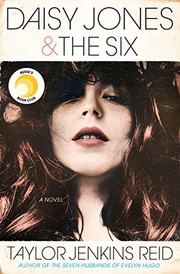
Books Like Daisy Jones & The Six
by Taylor Jenkins Reid
Daisy Jones & The Six is built around three specific mechanics: an oral‑history structure, an ensemble cast of rock musicians whose private lives drive their public myth, and a slow-burning arc from meteoric rise to catastrophic split. Taylor Jenkins Reid stages the novel as a series of interviews and first‑person fragments that let multiple perspectives narrate the same events—so much of the tension comes from disagreement, gaps, and the charisma of an unreliable cast rather than a single omniscient narrator. The book’s pleasures are granular: backstage arguments about songwriting credits, the messy intimacy of touring, the push‑and‑pull of addiction and creative jealousy, and a final ambiguity about who’s to blame.
Because the voice is at least as important as the plot, readers might have been hooked by different things: the documentary-style structure, the chemistry between lead singers, the 1970s rock milieu, or Reid’s lean, propulsive scenes of performance and collapse. Below are nine books chosen to match those specific elements in different combinations — from fractured timelines and music‑industry satire to group dynamics, cults of personality, and era-specific atmospherics. Each pick explains exactly which of Daisy Jones’s features it echoes and where it takes its own path.
Recommended for fans of Daisy Jones & The Six
A Visit from the Goon Squad
Jennifer Egan
Fragmented timeline and music-industry characters; bittersweet, interwoven lives and fame.
Pick this if you want more fractured timelines and many small voices building a larger picture. This is the closest structural match: it shares the documentary/fragmented approach and a focus on music‑industry life.
High Fidelity
Nick Hornby
Obsessive music fandom, flawed band-leader energy, witty first-person voice about love and loss.
Pick this if you were drawn to the obsessive, talky take on music culture and a charmingly unreliable narrator. It’s more personal and diaristic than Daisy Jones but matches the book’s appetite for songs, lists and heartbreak.
Juliet, Naked
Nick Hornby
Obsession with a washed-up rockstar and messy relationships, tender and funny emotional payoff.
Pick this if you wanted a tender, funny examination of attachment to a damaged musician and the messy emotional aftermath. This is intimate and character‑driven, with a similar focus on romanticizing performers.
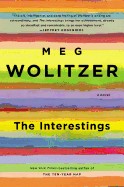
The Interestings
Meg Wolitzer
Long friendship group of creative types across decades, ambition, jealousy, and changing fame.
Pick this if the longue durée of creative friendships and simmering jealousy is what you loved. It tracks a group across decades and shows how ambition reshapes relationships in ways Daisy Jones readers will recognize.

The Flamethrowers
Rachel Kushner
1970s art and counterculture, combustible ambition and raw, kinetic prose about fame and identity.
Pick this if the 1970s setting and combustible ambition appealed to you. It matches the era’s rawness and artistic risk-taking, though it’s more overtly literary and less band‑memoir in shape.
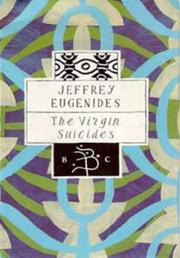
The Virgin Suicides
Jeffrey Eugenides
Collective narration, haunting nostalgia and tragedy around a tightly observed youth culture.
Pick this if you liked the communal, slightly haunted narration and a nostalgic lens on youth. It shares the group‑voice sensibility, though its mood is bleaker and more elegiac than Daisy Jones.

The Nix
Nathan Hill
Ambitious, multi-generational story with media, performance, and complicated parent-child bonds.
Pick this if you wanted sweeping, multi‑layered storytelling that ties family, media and performance together. It’s broader in scope—more procedural and sprawling—so expect more plot threads than band tension alone.

The Girls
Emma Cline
1970s cult atmosphere, youth desire and destructive idolization of charismatic figures.
Pick this if you were fascinated by how charisma can become destructive. It recreates a 1970s cultish atmosphere and idolization, which resonates with Daisy Jones’s focus on celebrity worship, though the context is darker.

On the Road
Jack Kerouac
Road-trip, restless youth and music-adjacent counterculture energy and improvisational pacing.
Pick this if it was the restless, improvisational spirit of youth and counterculture that hooked you. This is the loosest fit on the list: it shares mood and musical adjacency rather than Reid’s oral‑history structure or band dynamics.
At a glance
Selections emphasize structural and thematic overlap — oral/fragmented narration, ensemble dynamics, music and performance worlds, and the psychology of fame — so the match percentages reflect which of those dimensions each pick shares with Daisy Jones & The Six.
| Book | First published | Pages | Closest match on | Match |
|---|---|---|---|---|
A Visit from the Goon Squad Jennifer Egan | 2010 | 359 | Fragmented, music-focused | 95% |
High Fidelity Nick Hornby | 1995 | 304 | Music obsession & voice | 92% |
Juliet, Naked Nick Hornby | 2009 | 406 | Obsessive fan culture | 90% |
The Interestings Meg Wolitzer | 2013 | 560 | Decades-long friendships | 90% |
The Flamethrowers Rachel Kushner | 2013 | 432 | 1970s counterculture energy | 85% |
The Virgin Suicides Jeffrey Eugenides | 1993 | 249 | Collective memory & nostalgia | 83% |
The Nix Nathan Hill | 2016 | 640 | Ambitious, multigenerational scope | 80% |
The Girls Emma Cline | 2016 | 352 | Cult of charisma | 78% |
On the Road Jack Kerouac | 1957 | 310 | Restless, music-adjacent energy | 75% |
About Daisy Jones & The Six
Daisy Jones & The Six was published in 2019 and is written in an oral‑history/interview format tracing a 1970s rock band's rise and breakup. The novel’s serialized, multivoice structure and its focus on fame and creative rivalry quickly made it a bestseller and led to a television adaptation.
Frequently asked questions
I loved the oral-history format. What else reads like that?+
A Visit from the Goon Squad is the closest structural cousin here: it uses fragmented timelines and shifting voices to examine music‑industry figures and the cost of creative life. Several other picks match the tone or subject matter rather than that precise documentary device.
Are there books that capture the 1970s rock scene specifically?+
The Flamethrowers captures 1970s art and counterculture energy with combustible ambition and kinetic prose — it matches the era’s combustible mix of sex, art and fame more than it replicates a band memoir format.
Which of these is best if I liked Daisy and Billy’s chemistry?+
Pick High Fidelity or Juliet, Naked for novels that revolve around charismatic, messy musicians and romantic entanglement; both foreground magnetic but flawed musical figures and the romantic fallout that follows.
Are any of these told by a group narrator like Daisy Jones’s ensemble interviews?+
A Visit from the Goon Squad and The Virgin Suicides experiment with collective or shifting narrators and interwoven lives; they replicate the communal texture more directly than the single‑voice novels on the list.
What other Taylor Jenkins Reid books will I like if I enjoyed Daisy Jones & The Six?+
If it was Reid’s focus on fame, secrets and complicated women that appealed, try The Seven Husbands of Evelyn Hugo or Malibu Rising — both shift perspective to explore celebrity, love and the costs of reinvention.
More books by Taylor Jenkins Reid
Want recommendations based on your own favorites?
BookTwin can match you to books by mood, pacing, themes, and emotional payoff — based on 1 to 5 books you tell it you loved.
Try BookTwin