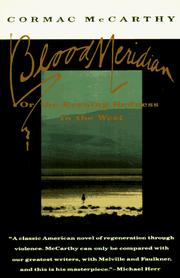
Books Like Blood Meridian
by Cormac McCarthy
Blood Meridian is a novel of relentless, almost liturgical violence mapped onto the borderlands of the 1840s and 1850s: long, panoramic marches, episodic raids, and one incandescent antagonist, Judge Holden, who reads like a philosophical force as much as a character. McCarthy's prose is simultaneously biblical and forensic — sentences that linger on landscape and spectacle, then cut cleanly into scenes of slaughter. The book's structure trades conventional plot arcs for a procession of set pieces that accumulate into a meditation on history, culpability and the aesthetics of brutality.
If you loved Blood Meridian, it helps to be precise about why. Were you drawn to McCarthy's spare, sermon-like sentences and moral enormity? The grim, elemental Western setting? A protagonist who drifts rather than develops, observed by an omniscient, often aphoristic narrator? Or the way the novel stages violence as almost mythic spectacle rather than mere action? The nine books below were chosen to reflect those different hooks — some echo the prose and bleak outlook, others the frontier scale or the psychological intensity — with notes on where each match is strongest and where it diverges.
Recommended for fans of Blood Meridian
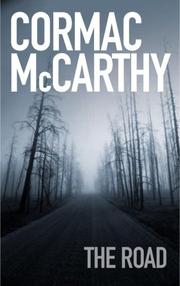
The Road
Cormac McCarthy
Spare, poetic prose and relentless bleakness about survival and moral ambiguity.
Pick this if you want the purest echo of McCarthy's tone and moral bleakness — The Road shares that spare, aphoristic voice and unflinching view of human depravity.
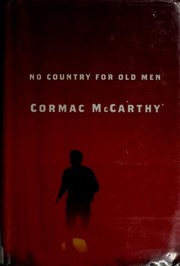
No Country for Old Men
Cormac McCarthy
Cold, violent moral world with terse, fatalistic narration and unstoppable menace.
Pick this if it was Blood Meridian's sense of an unstoppable, amoral force that unsettled you — No Country for Old Men offers a comparable, terse fatalism and unrelenting antagonist energy.

Child of God
Cormac McCarthy
Grotesque, nihilistic portrait of an outsider descending into violence and isolation.
Pick this if you were drawn to McCarthy's interest in isolated, deviant figures sliding into violence — Child of God tightens that focus into a smaller, deeply disturbing psychological study.
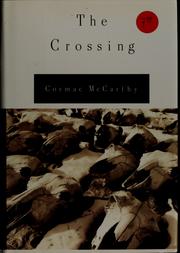
The Crossing
Cormac McCarthy
Lyrical, harsh border journey with existential themes and haunting landscapes.
Pick this if the vast, haunting borderlands and lyrical passages were what you loved; The Crossing shares those long, elegiac travels and existential observation.

Butcher's Crossing
John Williams
Bleak frontier hunting tale exploring obsession, violence, and existential cost.
Pick this if you want another dark meditation on frontier masculinity and the cost of obsession; Butcher's Crossing examines a hunting expedition that unravels into existential ruin.
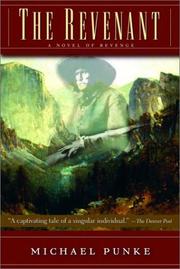
The Revenant
Michael Punke
Brutal survival and revenge in a merciless wilderness, visceral and unflinching.
Pick this if it was the merciless landscape and physical brutality that gripped you — The Revenant gives a visceral, revenge-driven survival tale in a similarly unforgiving setting.
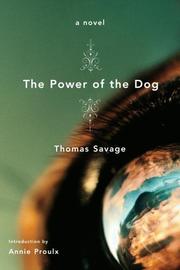
The Power of the Dog
Thomas Savage
Psychological, repressed cruelty on a Western ranch with slow-building menace.
Pick this if you're after repressed violence and domestic menace on a Western ranch rather than massacre spectacles — The Power of the Dog emphasizes psychological cruelty over spectacle.

The Son
Philipp Meyer
Epic Texas family saga steeped in violence, legacy, and harsh landscapes.
Pick this if you wanted a multigenerational sweep that ties personal brutality to regional history — The Son maps violence across generations within an emergent Texas power structure.
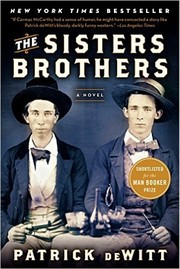
The Sisters Brothers
Patrick deWitt
Darkly comic, violent western that still carries bleak moral undercurrents.
Pick this if you can tolerate tonal difference: The Sisters Brothers echoes Blood Meridian's moral darkness but with black comedy and character-driven plots, so consider it a mood-relative rather than a direct stylistic twin.
At a glance
Matches were chosen on three axes that matter for Blood Meridian: tone/prose density (the biblical, aphoristic narration), thematic darkness (moral nihilism and violence), and frontier/landscape scale (sweeping, harsh settings). Each recommendation shares at least one of those axes strongly; where a pick emphasizes a different aspect, the note says so plainly.
| Book | First published | Pages | Closest match on | Match |
|---|---|---|---|---|
The Road Cormac McCarthy | 2006 | — | Biblical spare prose | 95% |
No Country for Old Men Cormac McCarthy | 1900 | — | Cold, fatalistic menace | 92% |
Child of God Cormac McCarthy | 1974 | — | Grotesque outsider portrait | 90% |
The Crossing Cormac McCarthy | 1994 | — | Lyrical border journey | 89% |
Butcher's Crossing John Williams | 1960 | — | Obsession & frontier cost | 88% |
The Revenant Michael Punke | 2002 | — | Visceral wilderness survival | 86% |
The Power of the Dog Thomas Savage | 1967 | — | Slow-building psychological cruelty | 84% |
The Son Philipp Meyer | 2013 | — | Epic family violence | 83% |
The Sisters Brothers Patrick deWitt | 2011 | — | Darkly comic violence | 80% |
About Blood Meridian
Blood Meridian, or the Evening Redness in the West was published in 1985 and is set largely along the Texas–Mexico border in the 1849–1850 period. It follows “the Kid” as he joins a scalp-hunting expedition led by the historical Glanton gang and features the iconic, philosophically terrifying figure Judge Holden. The novel's reputation has grown steadily since publication and it is widely regarded as one of McCarthy's masterpieces.
Frequently asked questions
Is Blood Meridian considered a Western or something else?+
It's usually classified as a Western for setting and subject matter, but its language and philosophical scope place it outside conventional genre boundaries. If you want McCarthy's other borderland work, The Crossing and No Country for Old Men explore Western spaces with similarly bleak concerns.
Which McCarthy novels read most like Blood Meridian?+
Closest in tone and philosophical weight are The Road and No Country for Old Men for their bleak moral landscapes and pared prose, while The Crossing shares Blood Meridian's border journeys and sweeping landscapes. Child of God narrows the focus to grotesque individual descent and is useful if the novel's portrait of criminal isolation is what gripped you.
Are there less violent ways to get McCarthy's style?+
If you appreciate McCarthy's prose but want less gore, The Road retains the spare, biblical diction and existential bleakness with violence filtered through stark survival rather than set-piece massacre. The Crossing also offers lyricism and landscape with fewer of Blood Meridian's orchestrated slaughters.
I liked the frontier brutality—what else explores that theme?+
Butcher's Crossing and The Revenant both examine obsession and survival in unforgiving wilderness, with sustained attention to the physical costs of frontier violence. The Son gives an epic, intergenerational account of Texas's violent formation if you want family and legacy added to the landscape.
Is Blood Meridian based on real events or people?+
Its scalp-hunting expedition draws from historical records about the Glanton gang and border violence in the 1840s–1850s, but McCarthy fictionalizes timelines and characters freely. For other fiction rooted in historical frontier violence and its consequences, see The Revenant and The Son.
Want recommendations based on your own favorites?
BookTwin can match you to books by mood, pacing, themes, and emotional payoff — based on 1 to 5 books you tell it you loved.
Try BookTwin